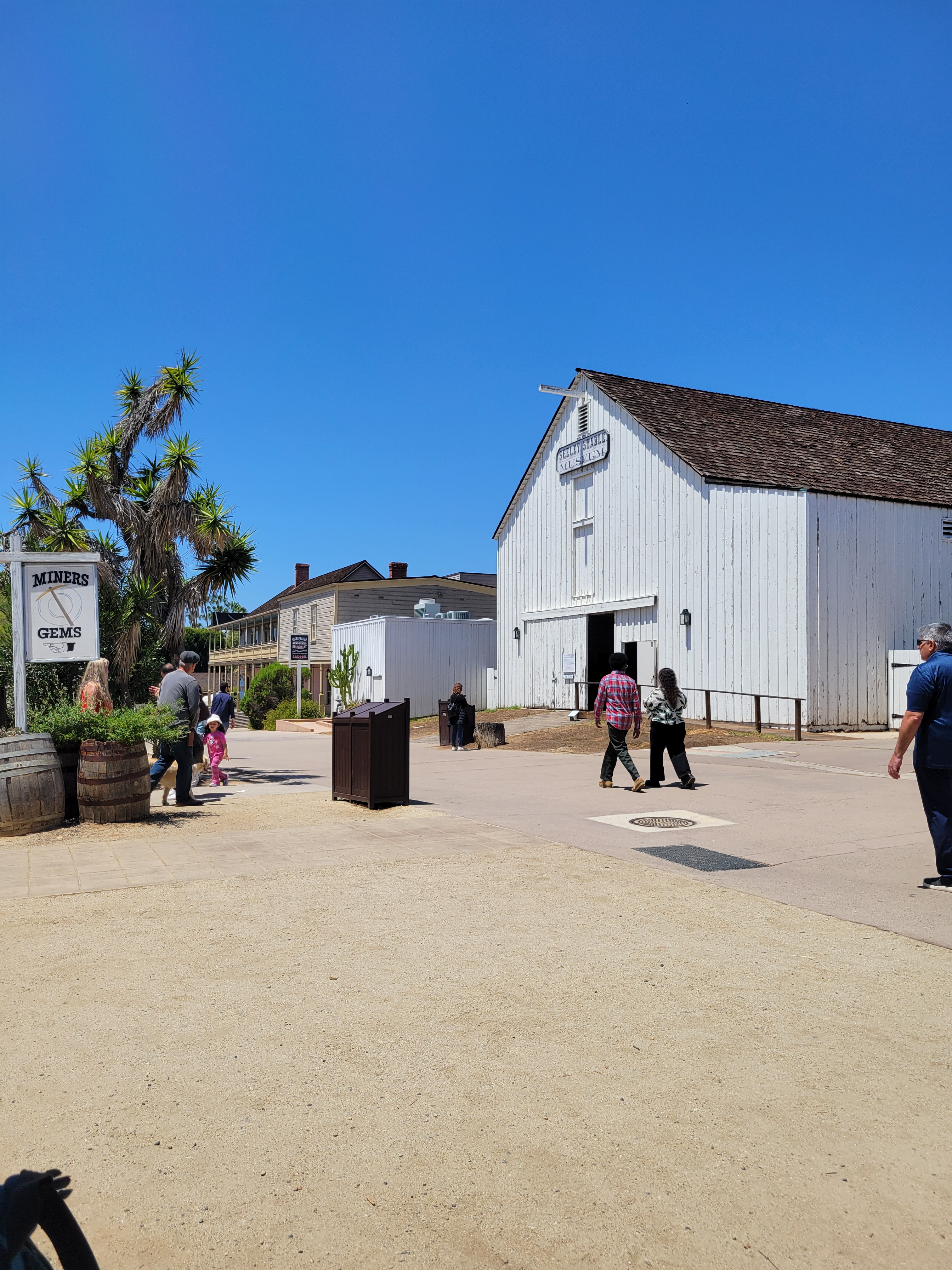
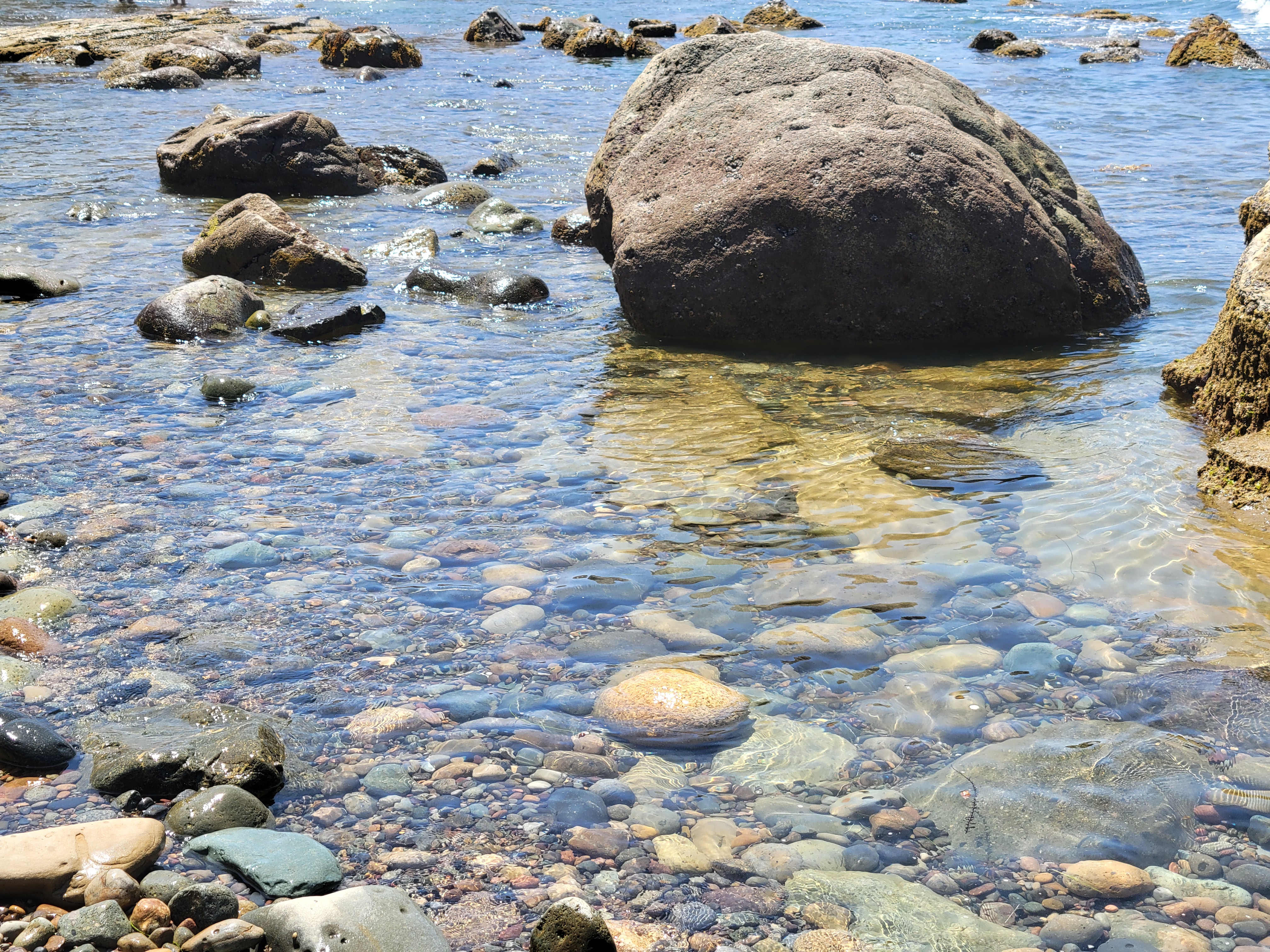
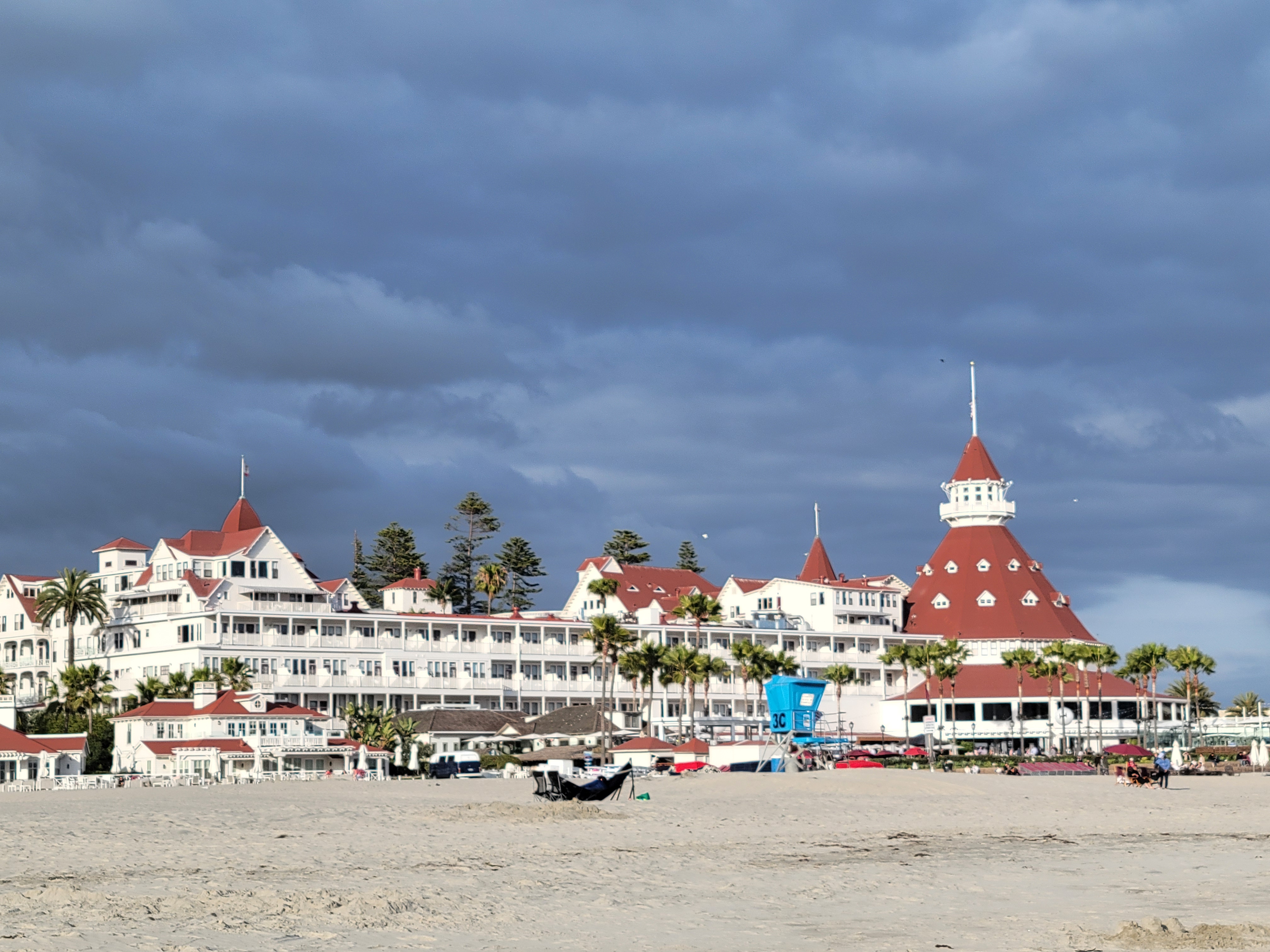
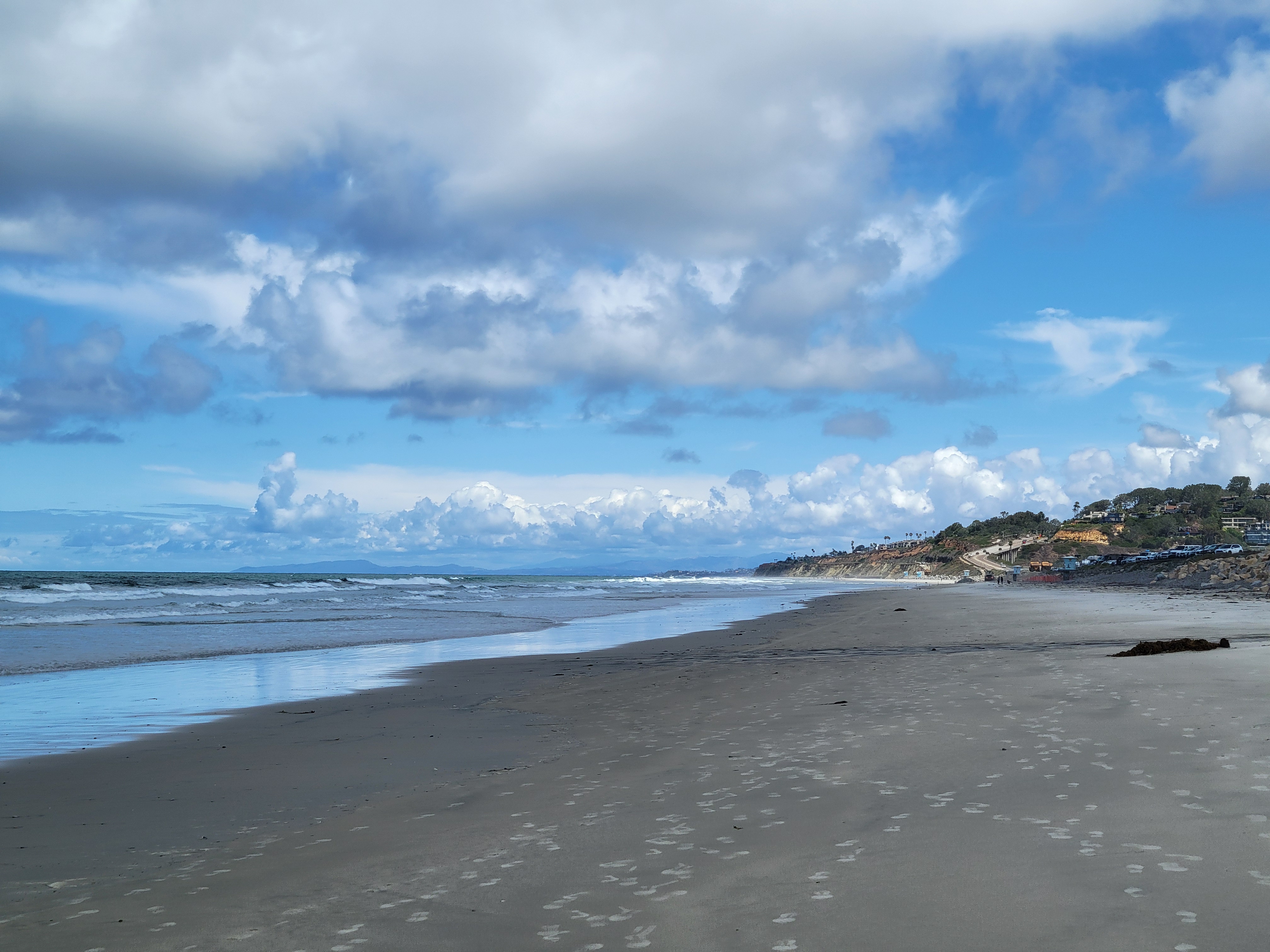
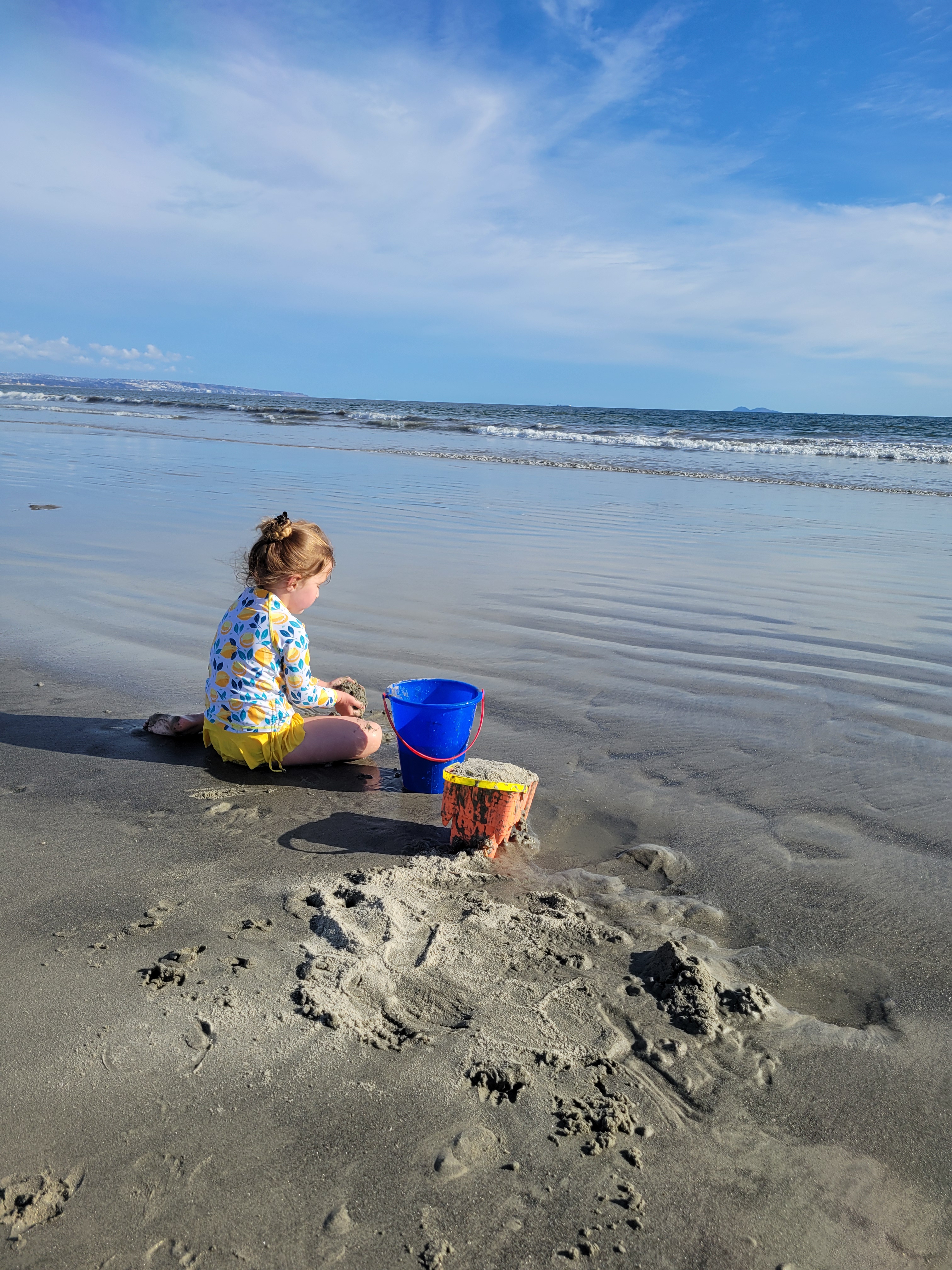
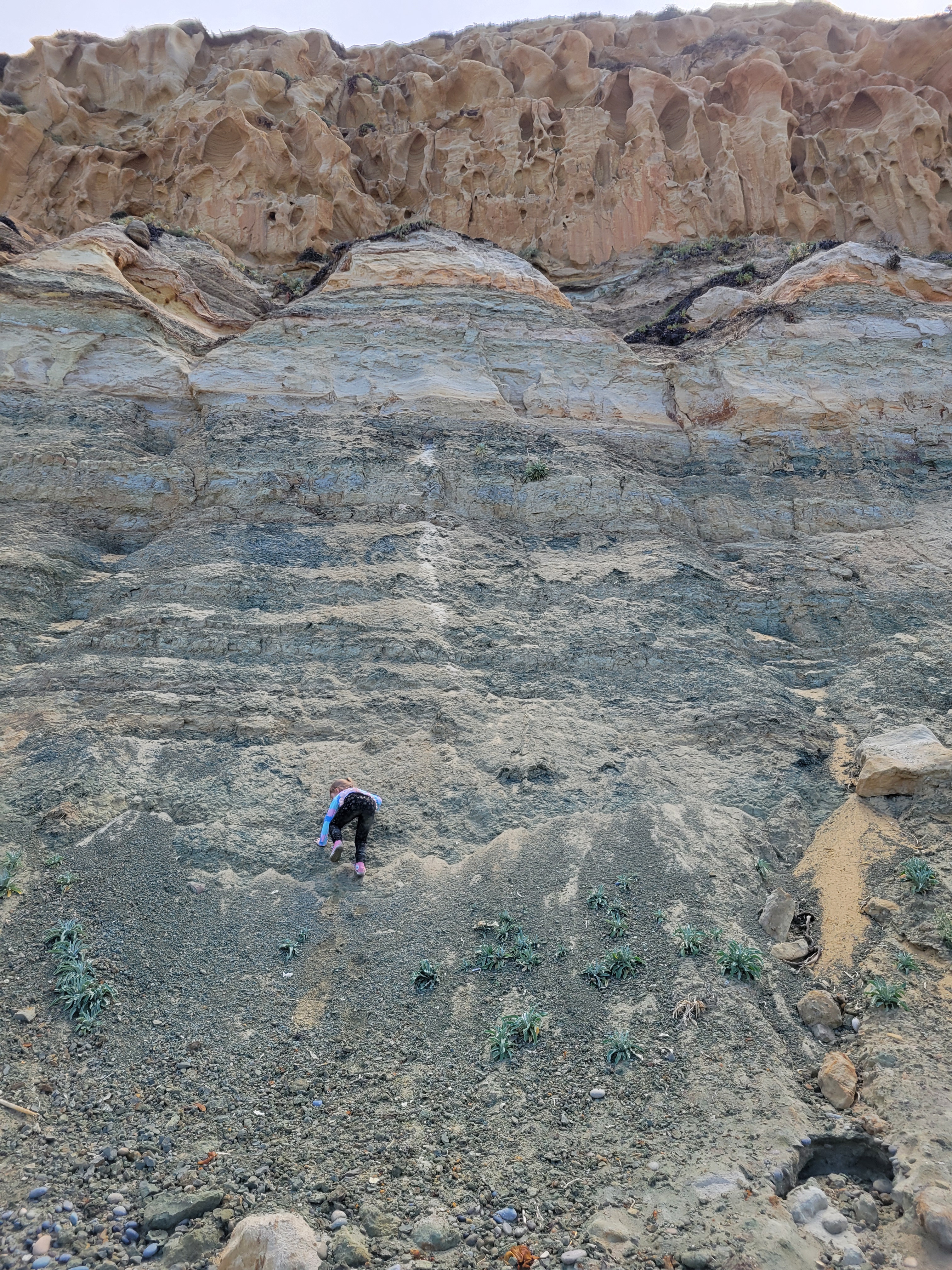
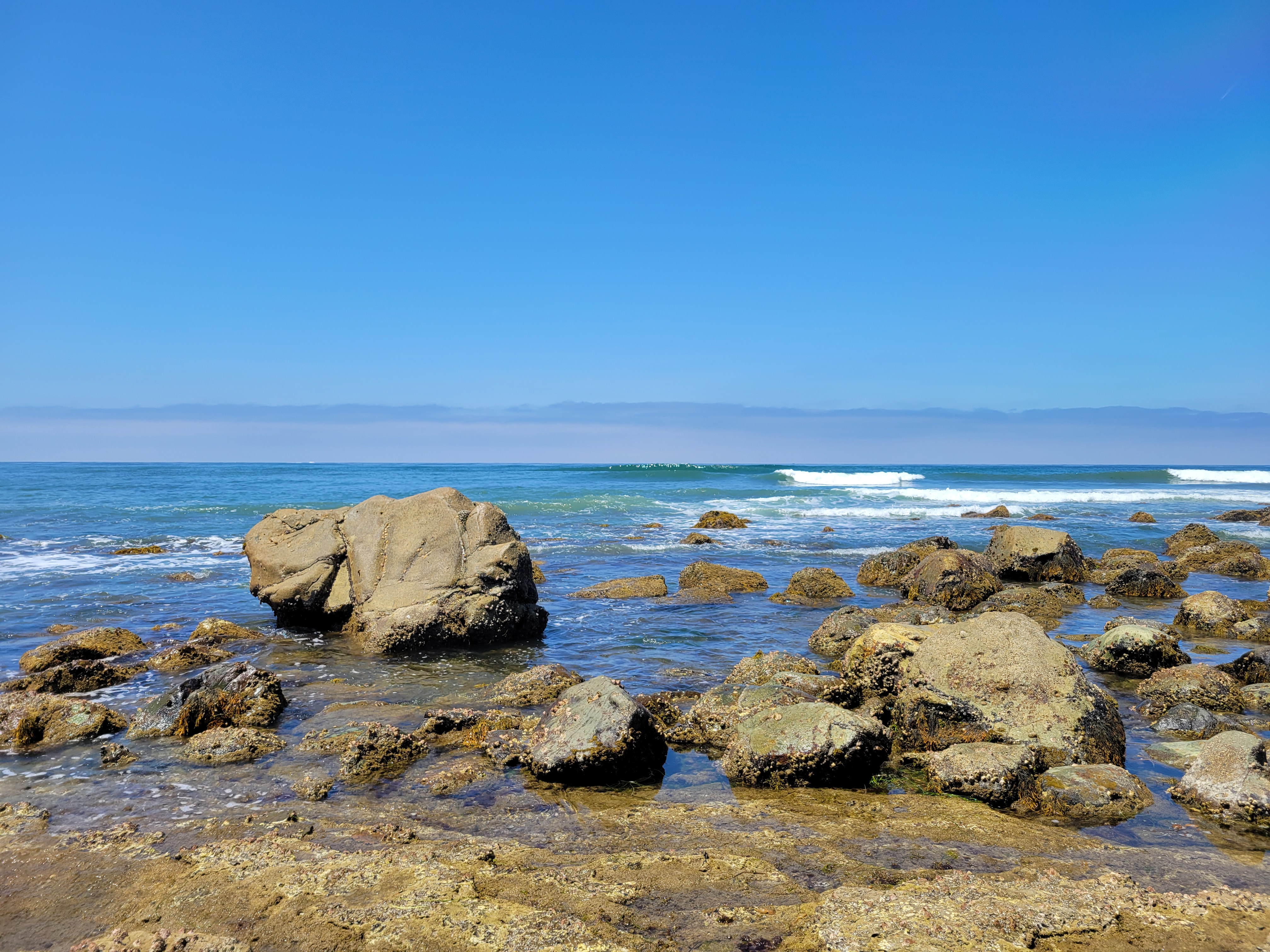
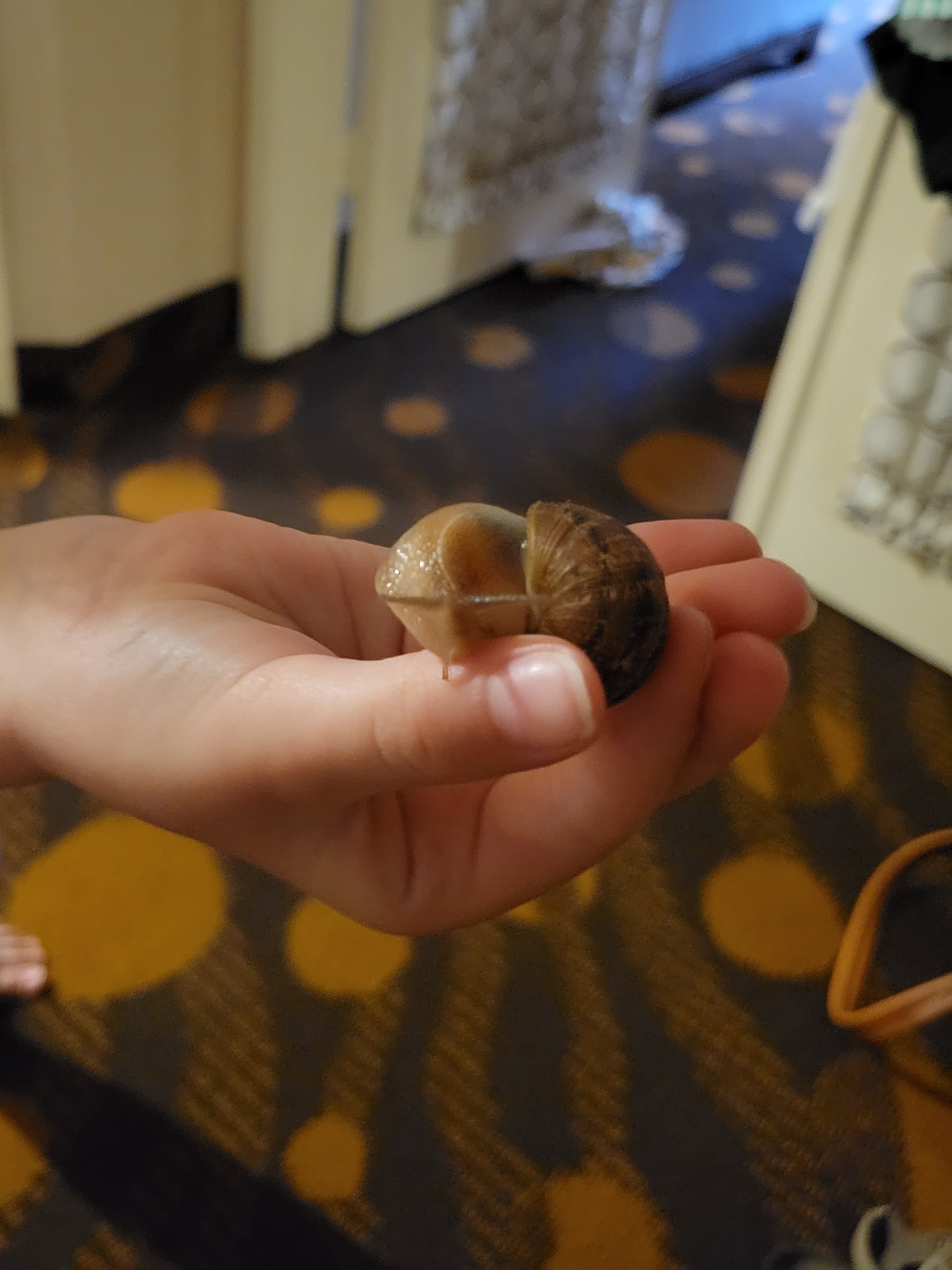
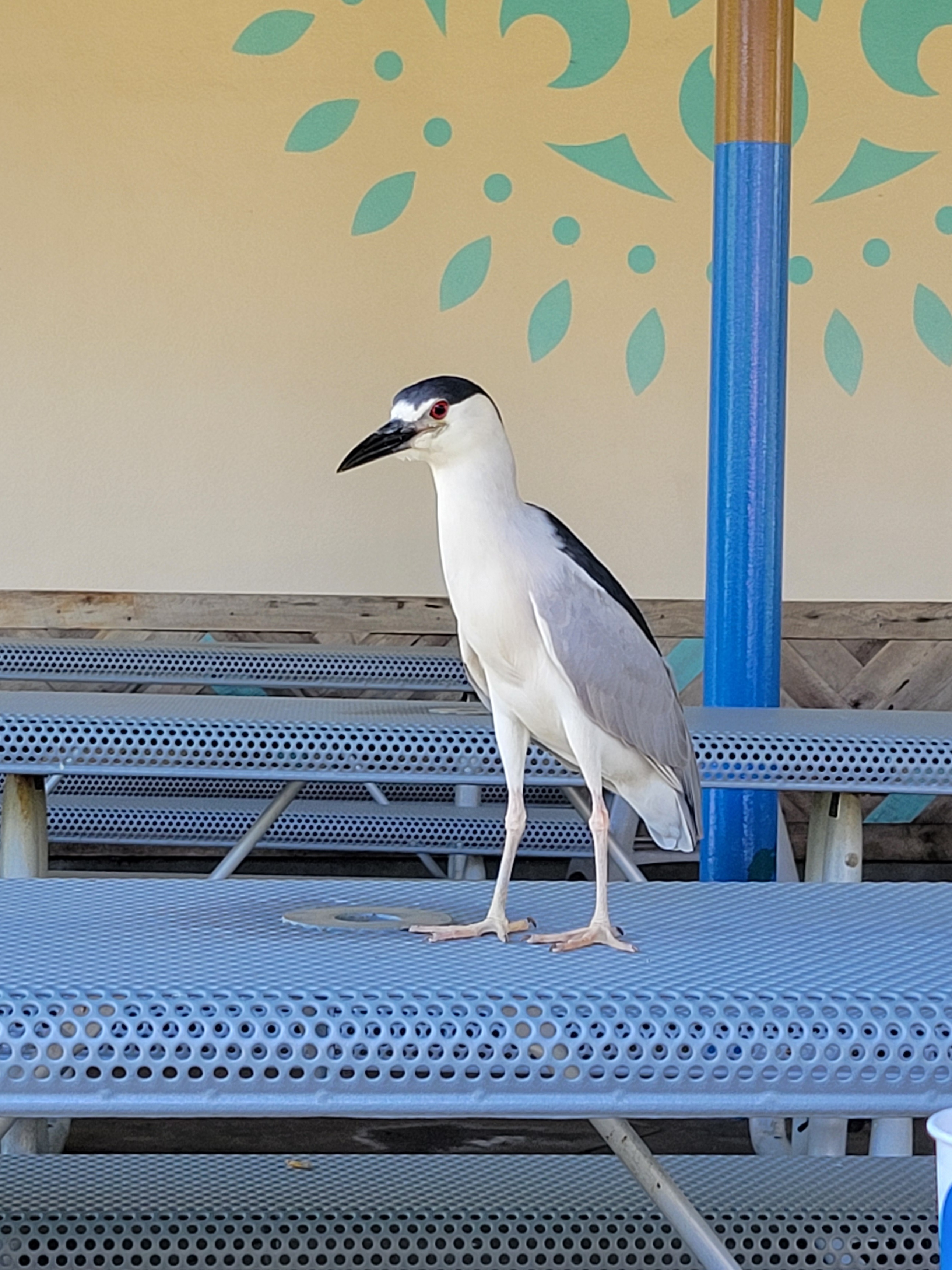
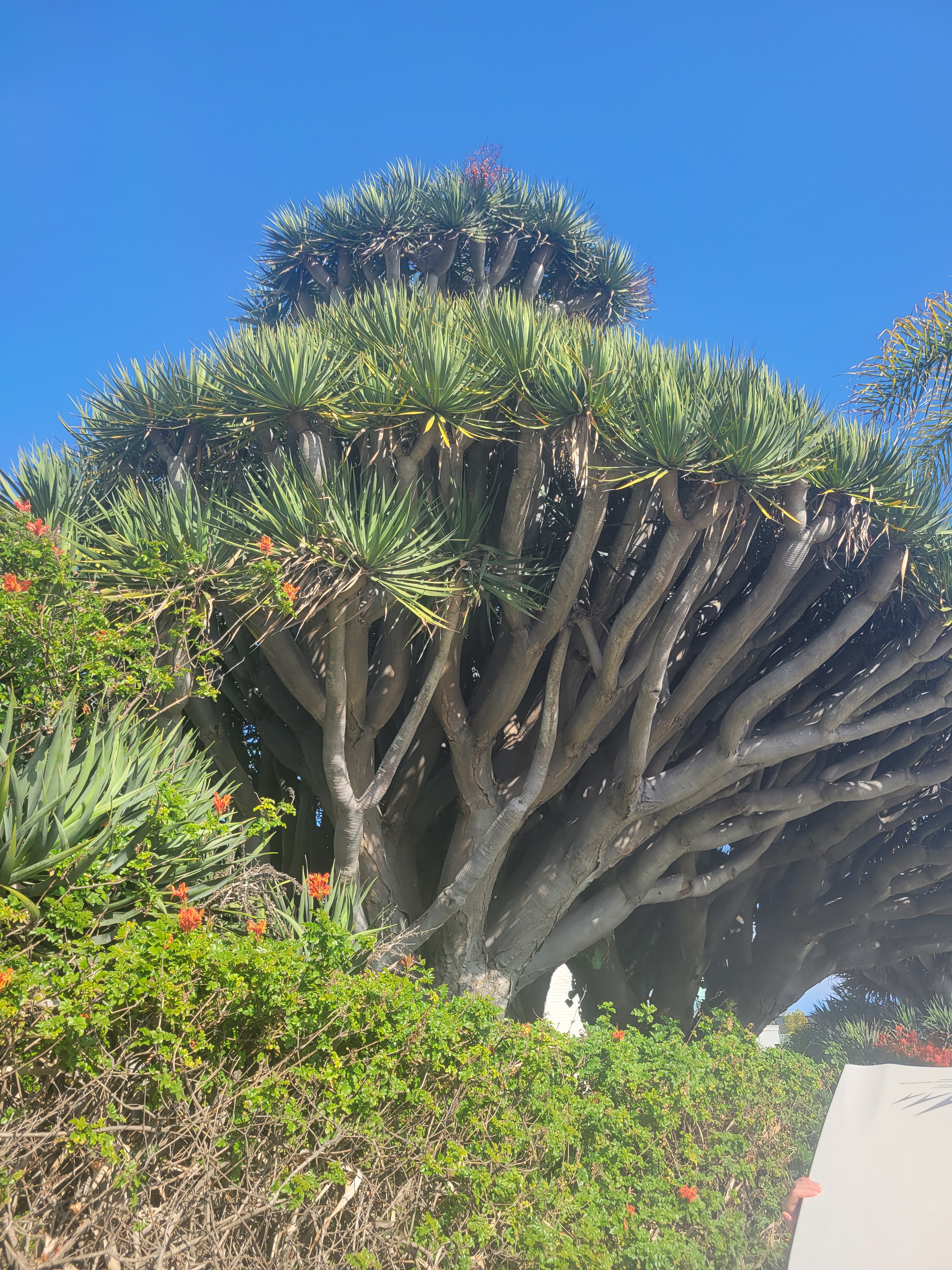
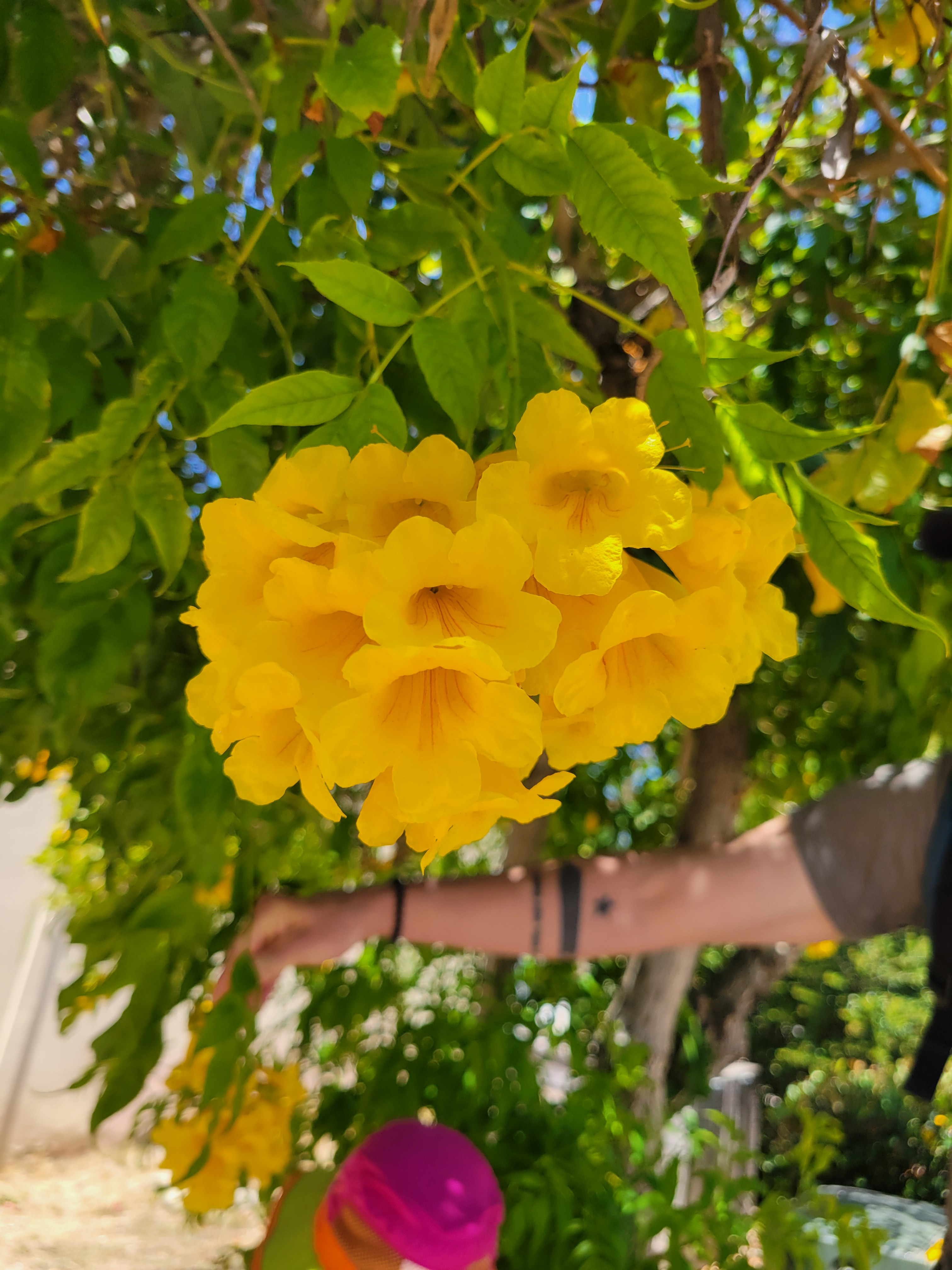
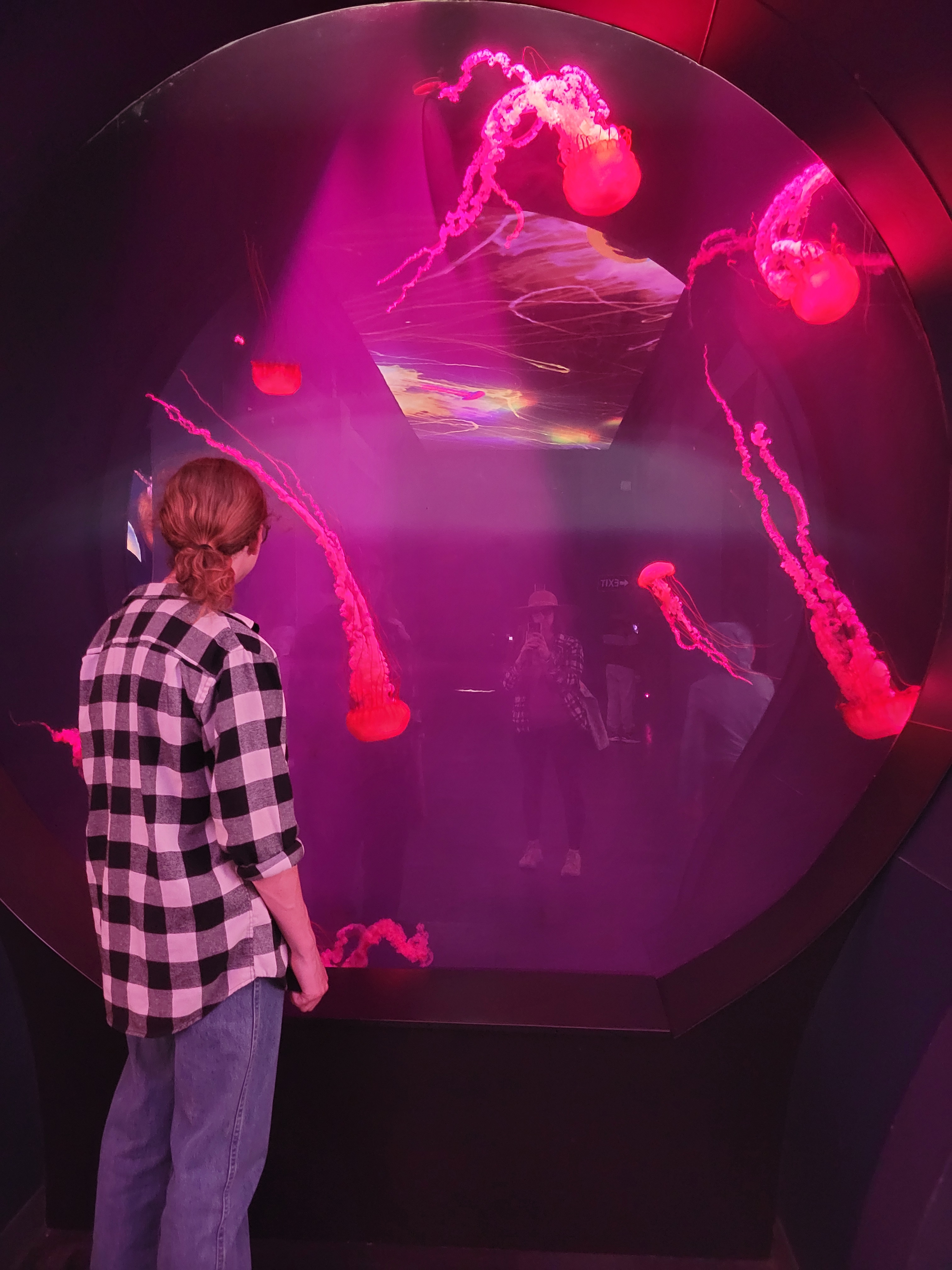
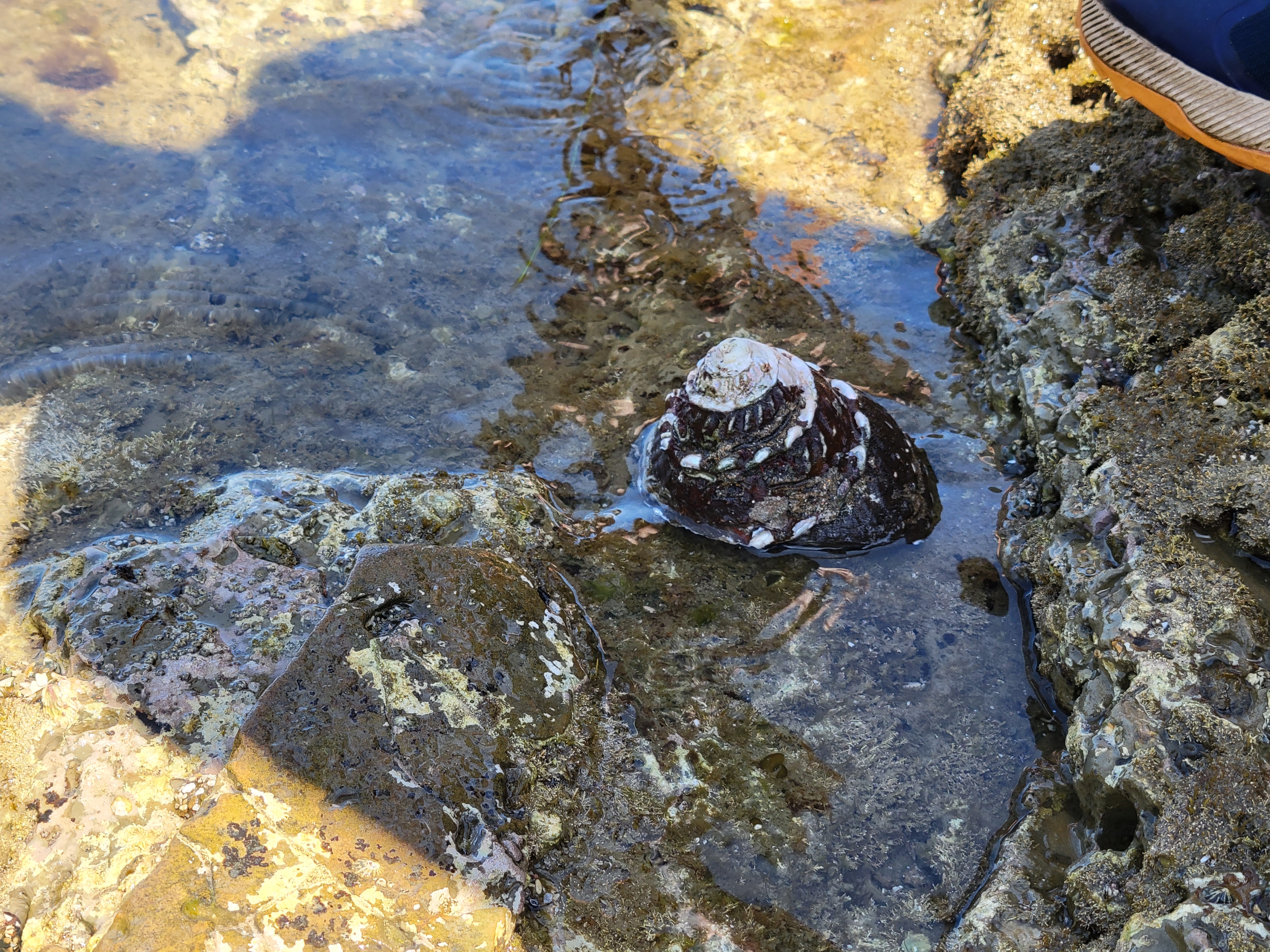
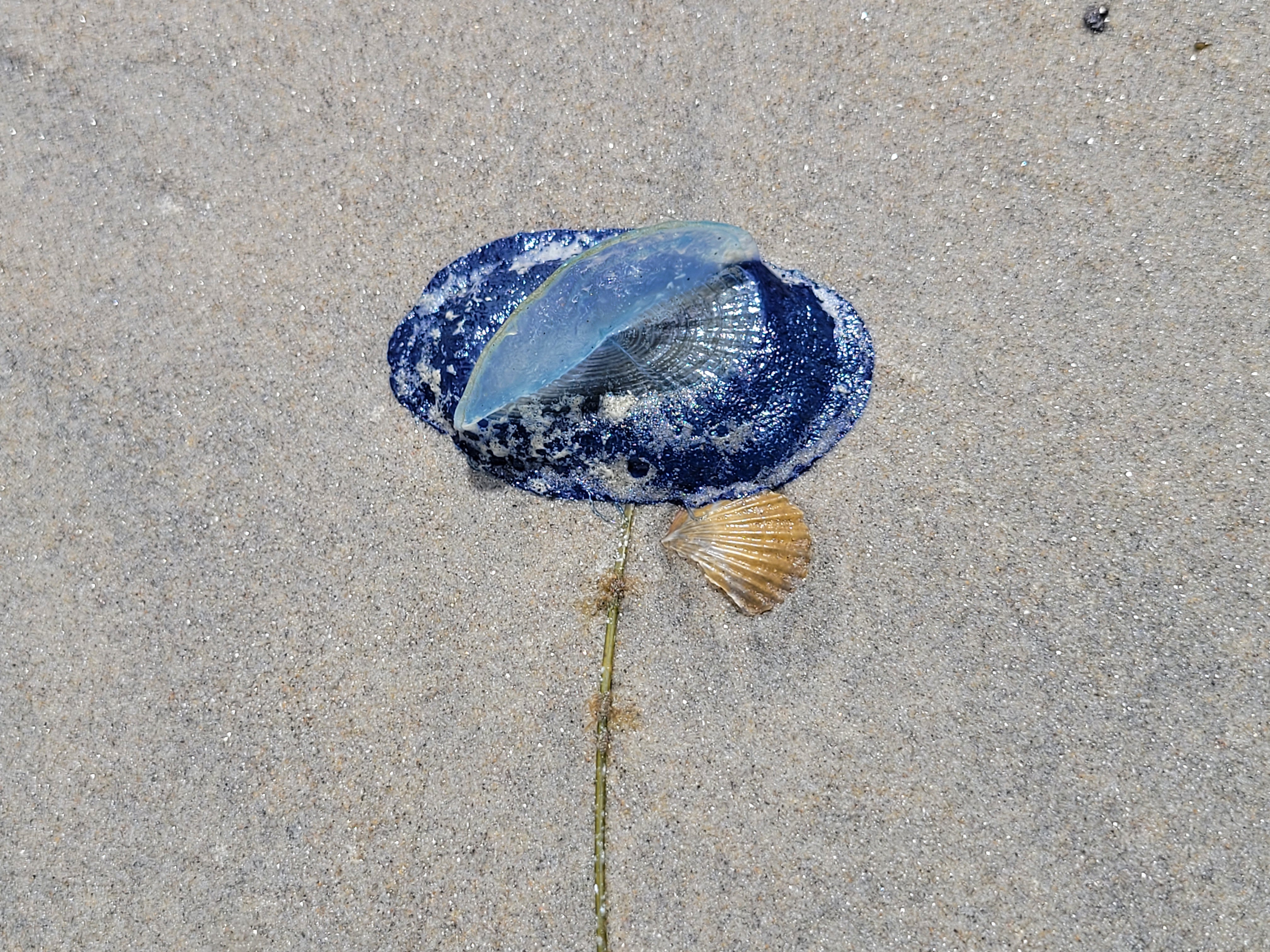
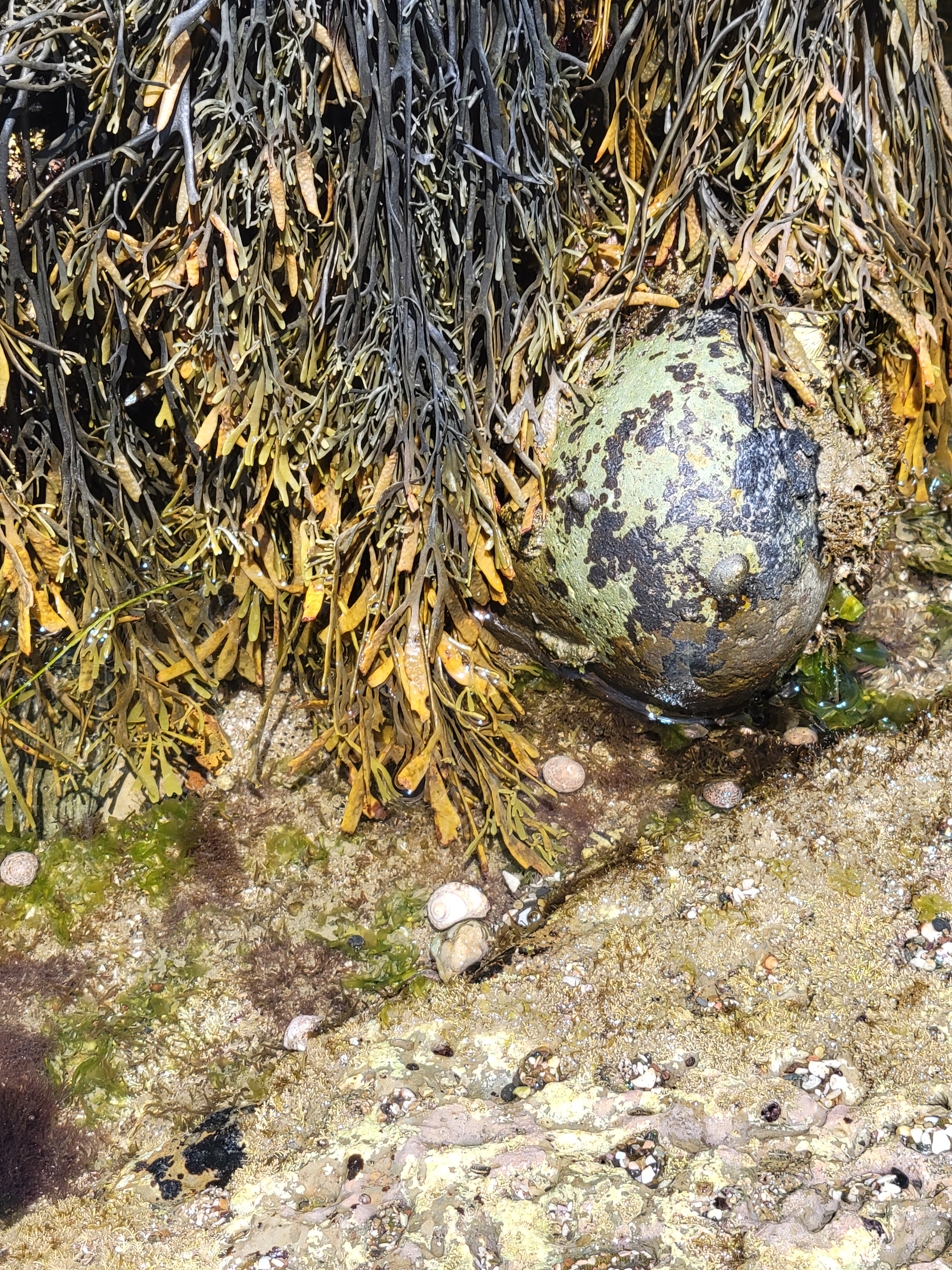
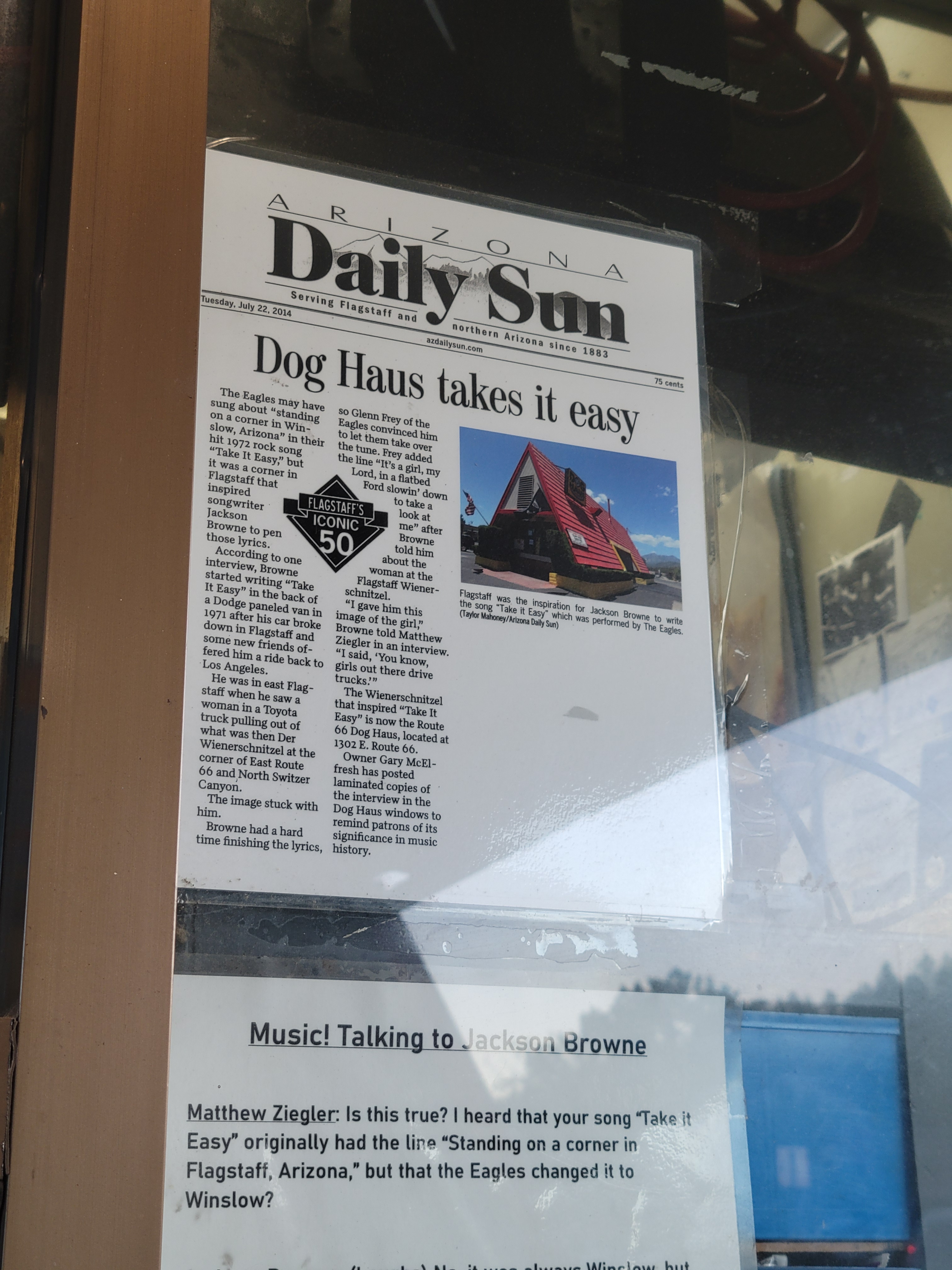
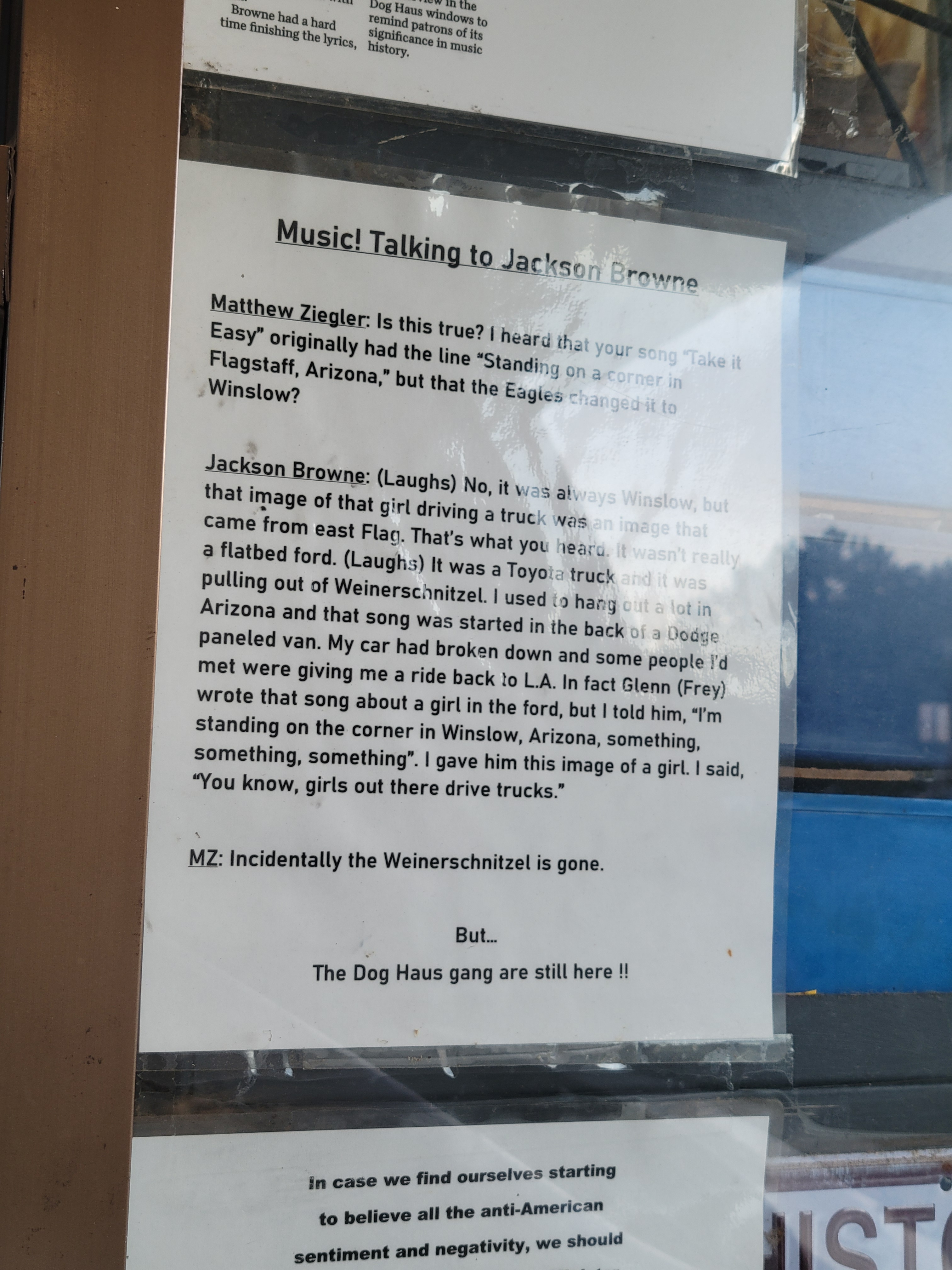
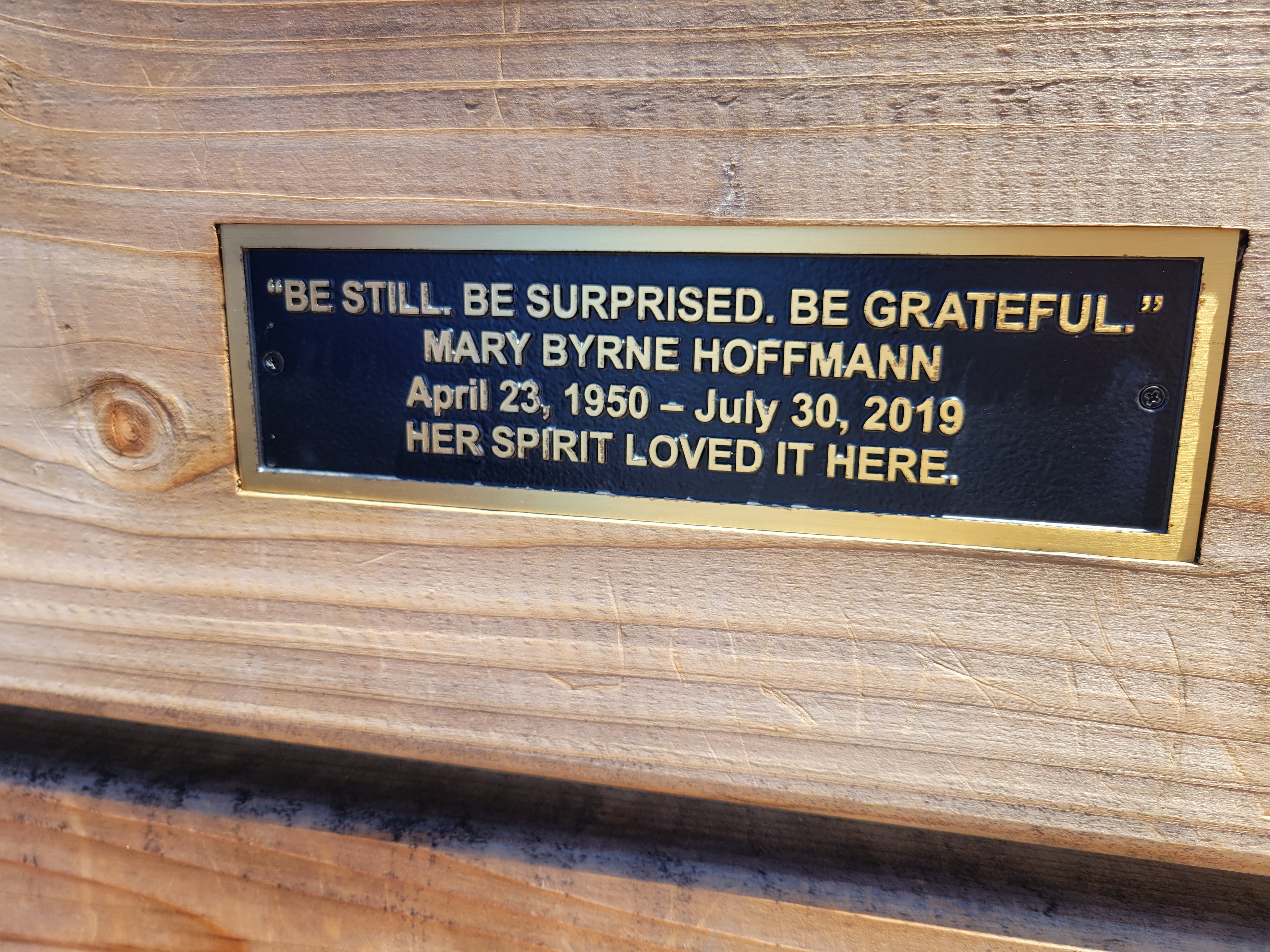
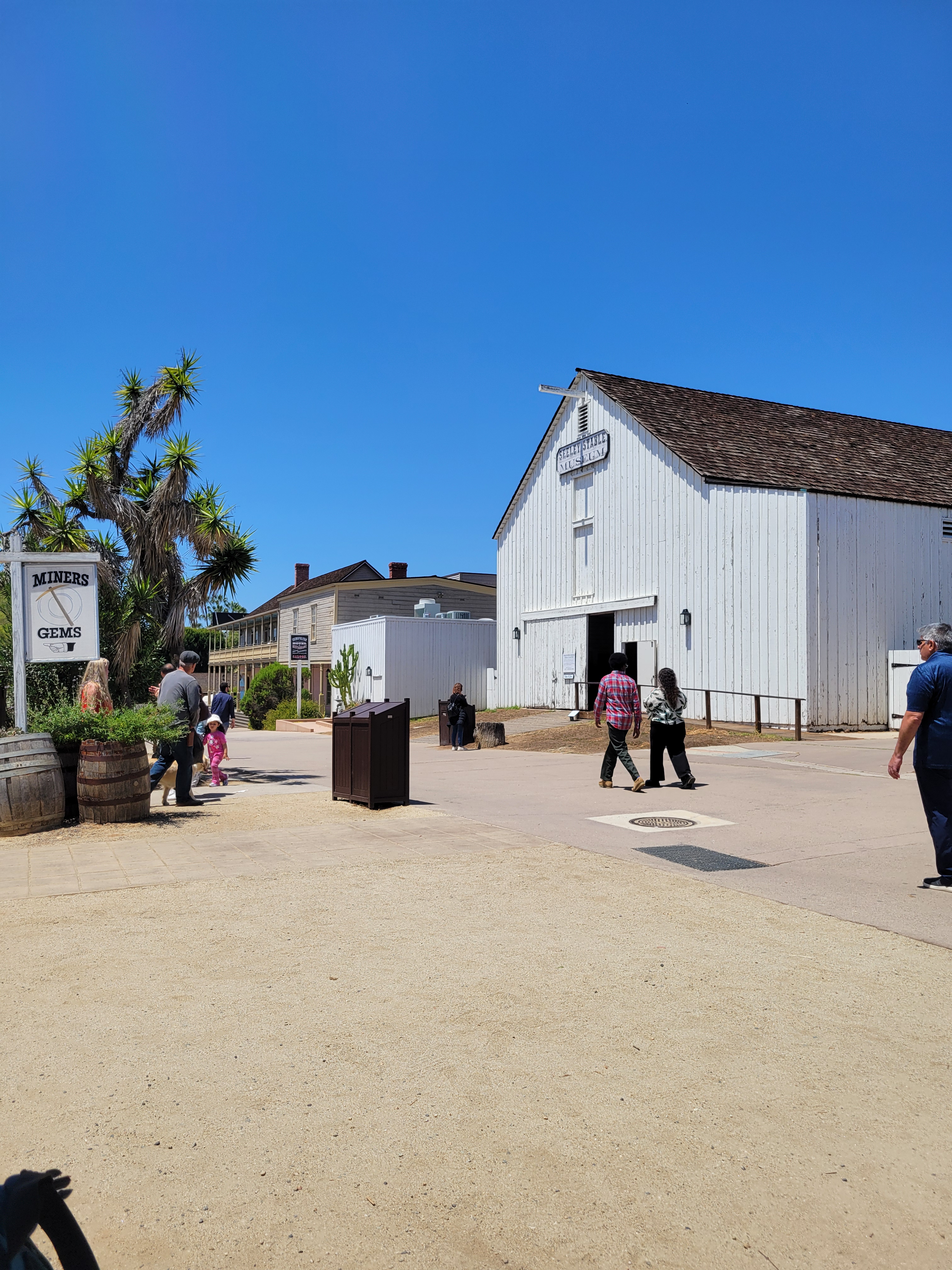
We love returning to our favorite places in San Diego every time we visit.
There’s the restaurants:
Cali Cream for ice cream.
Donut Bar for donuts.
Stout Public House for fish and chips.
The sights:
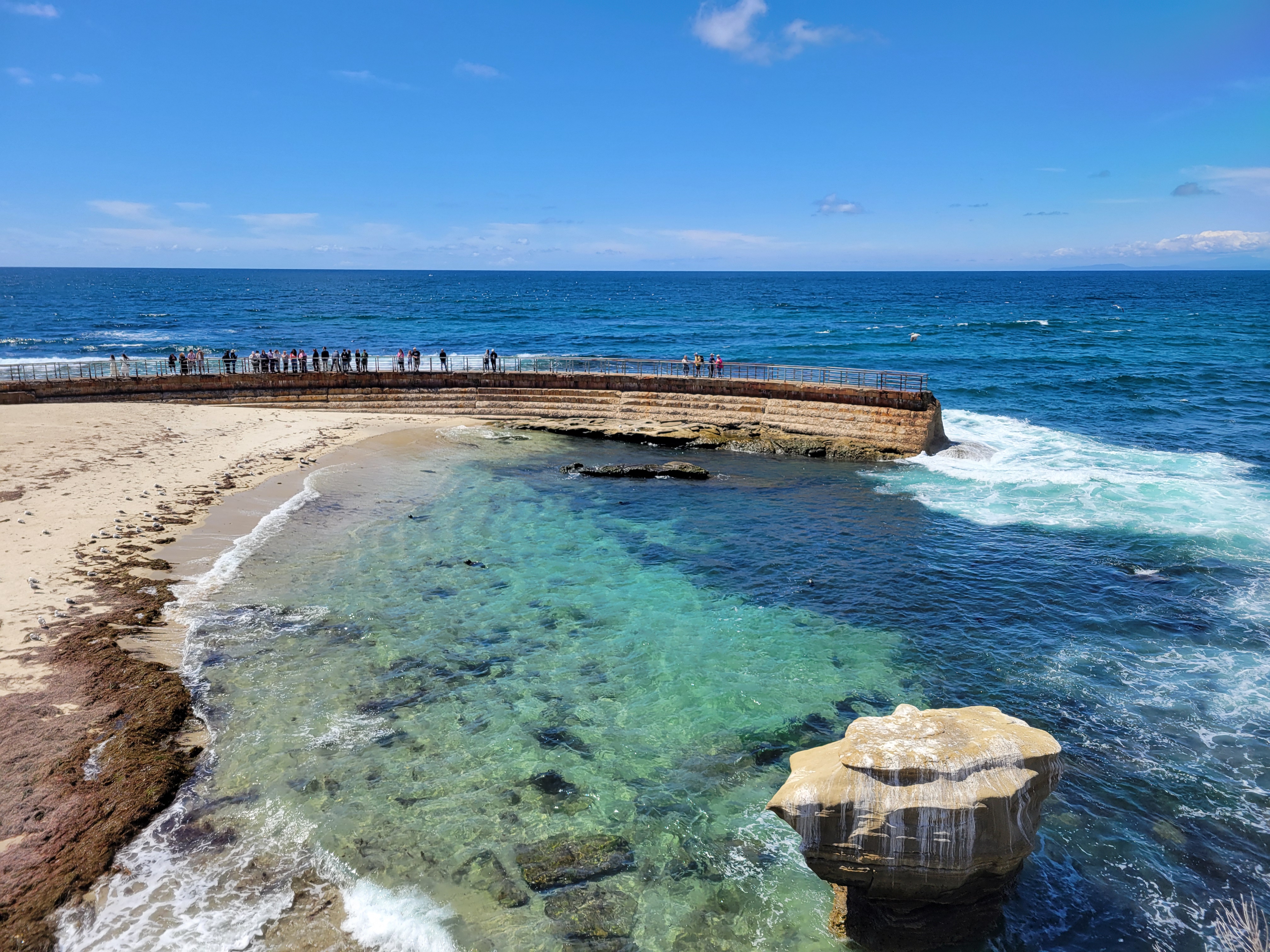
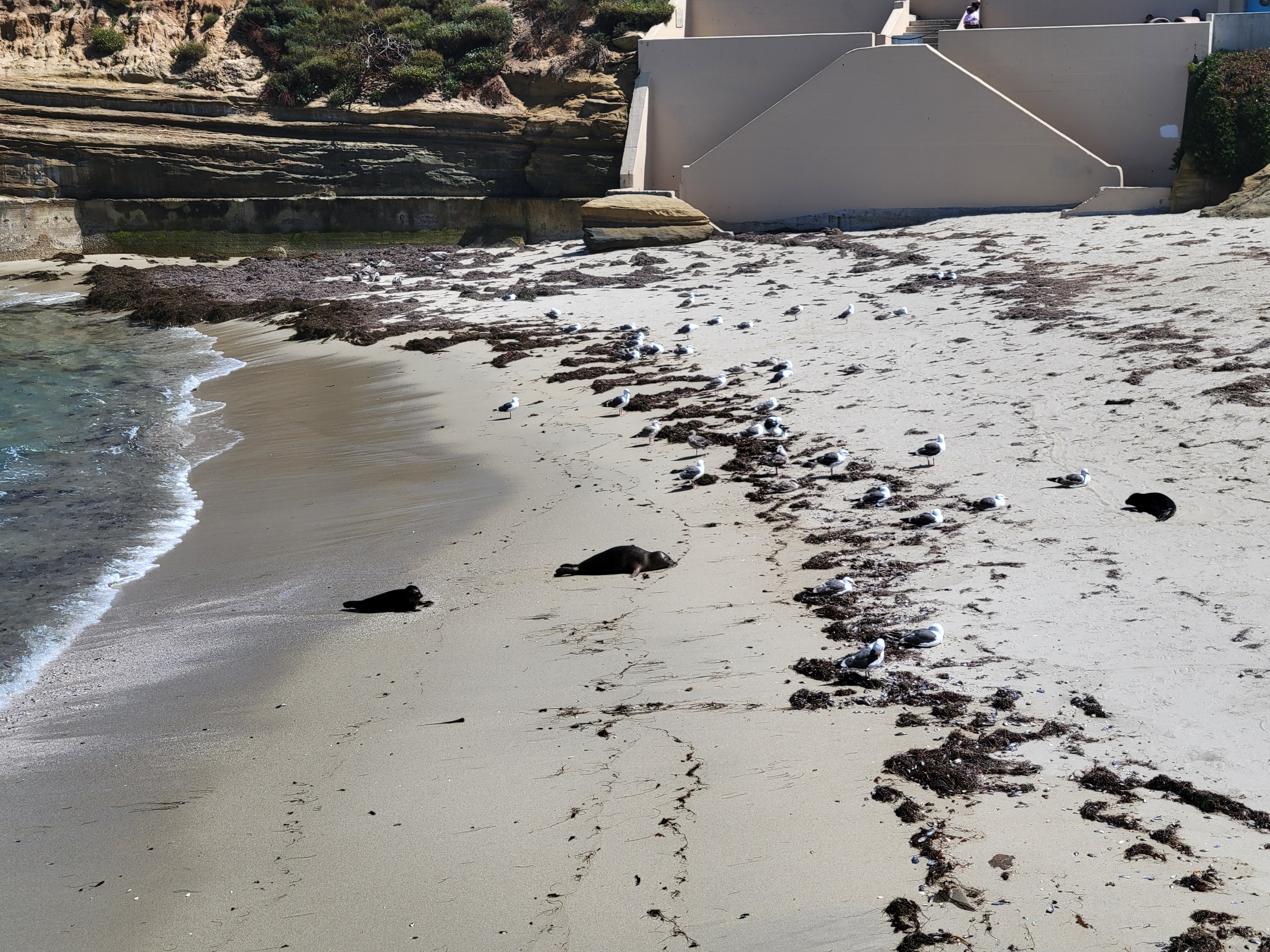
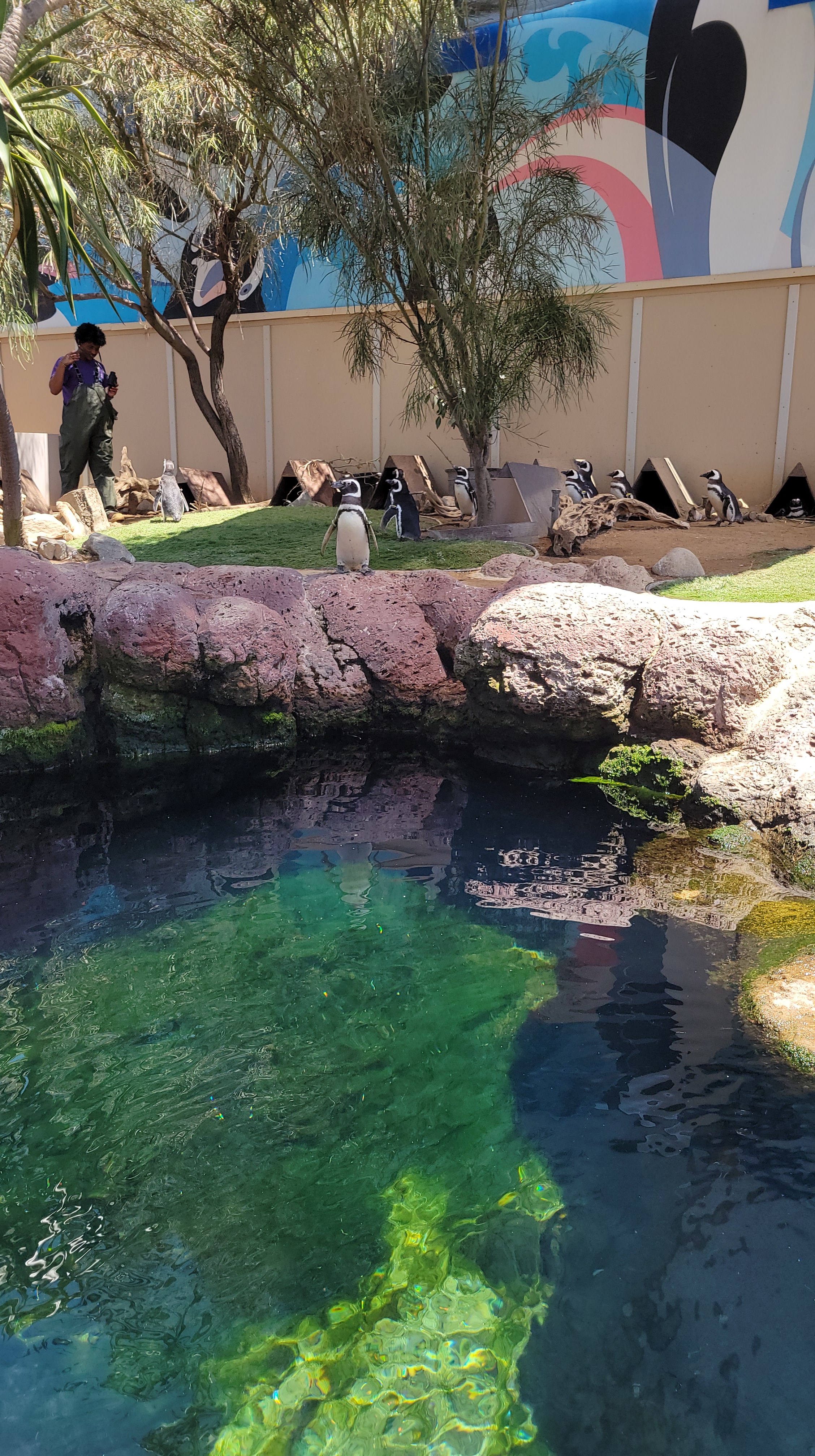
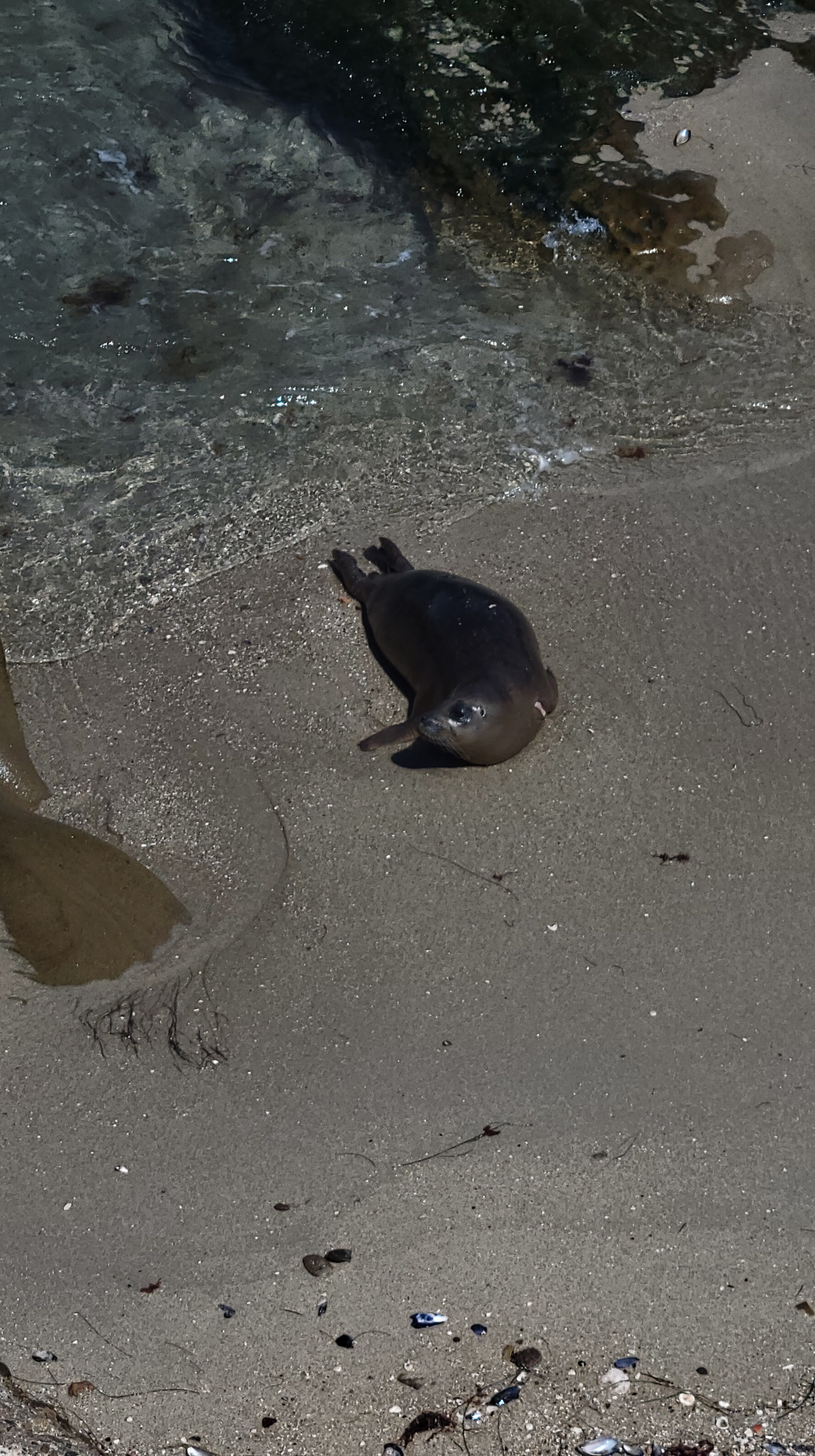
Seal Rock at La Jolla.
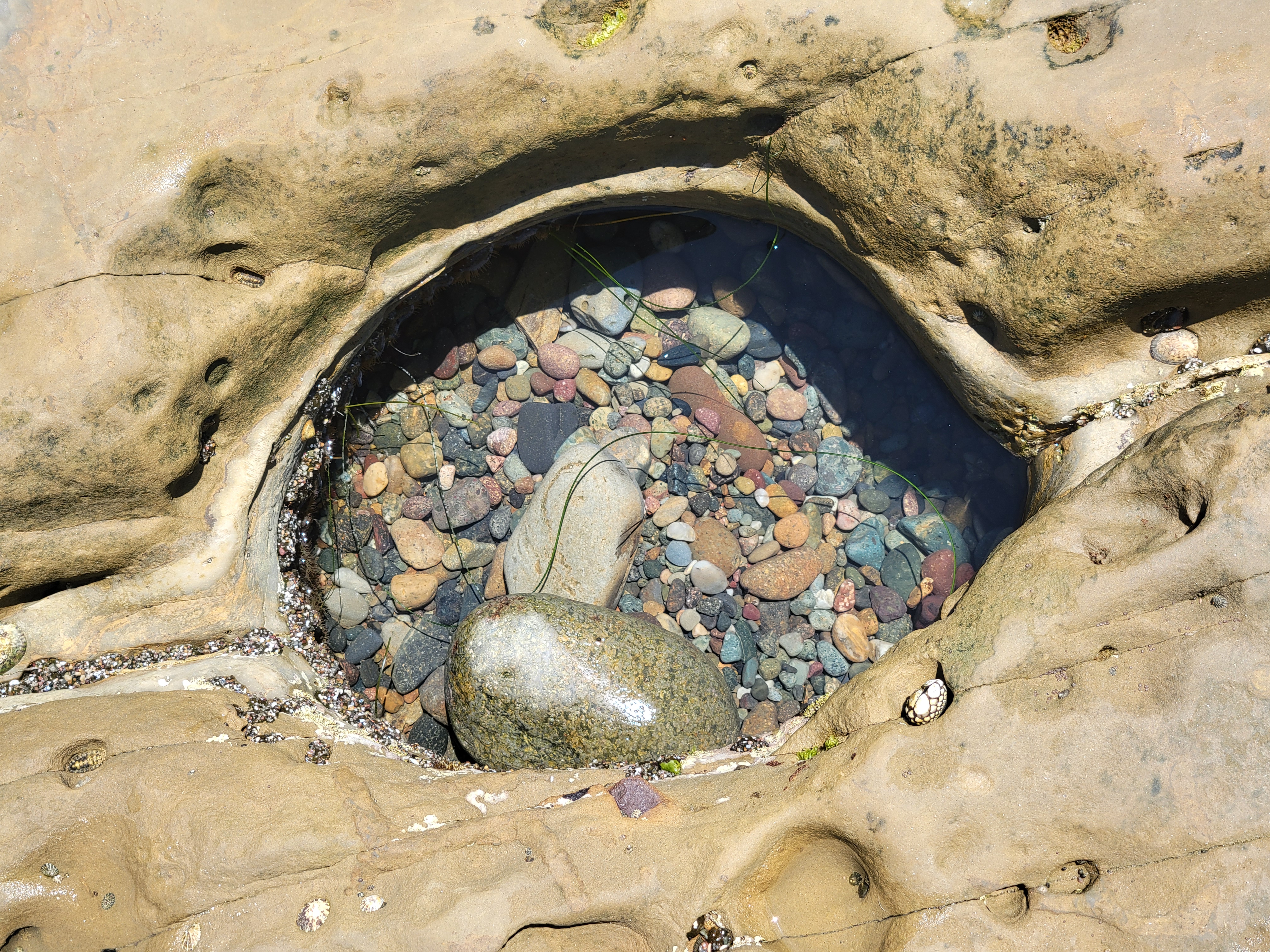
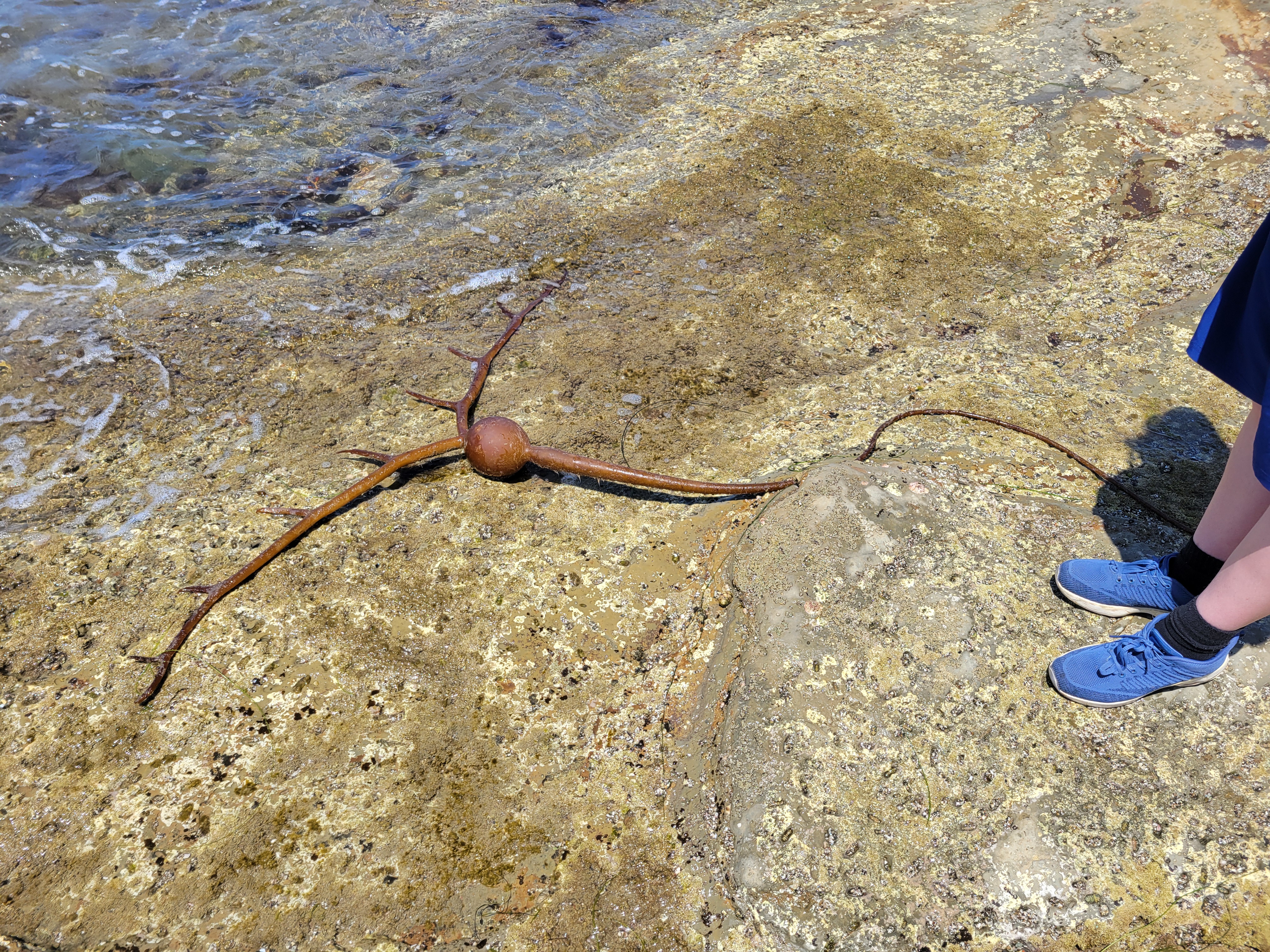
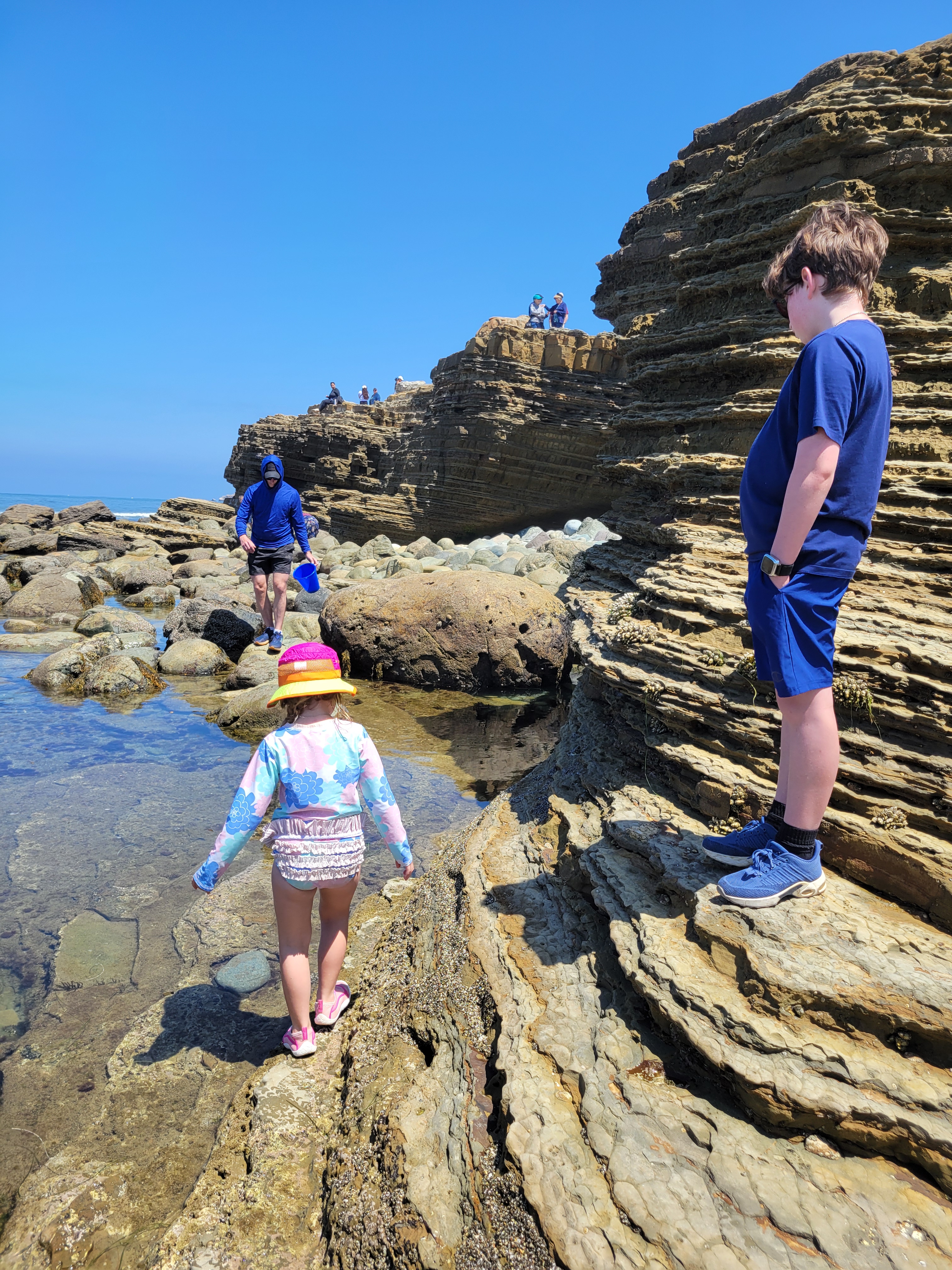
The tide pools of Point Loma.
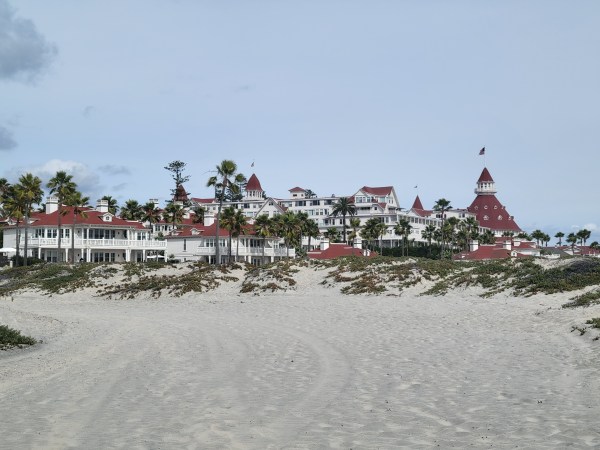
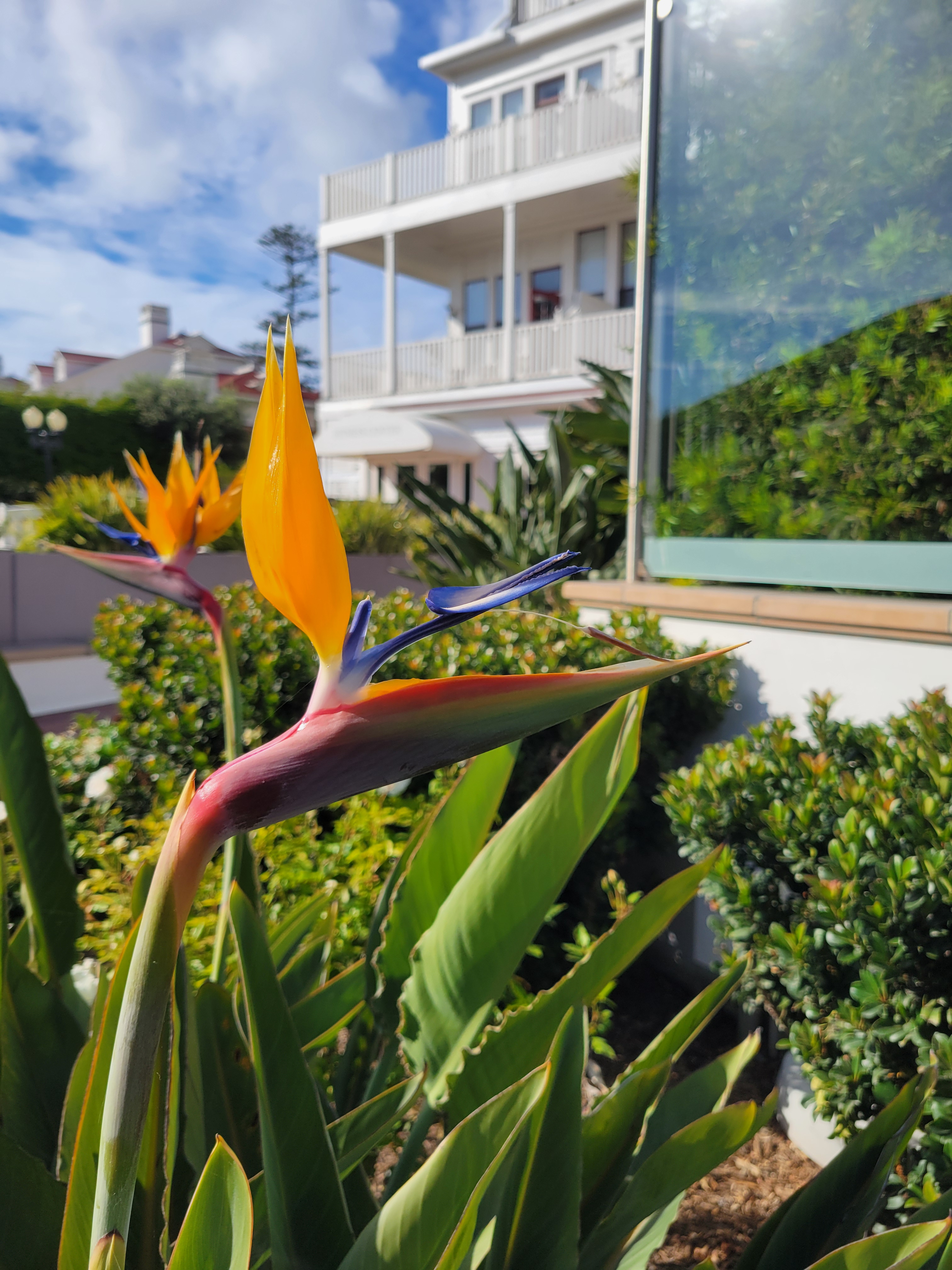
The historic Hotel del Coronado.
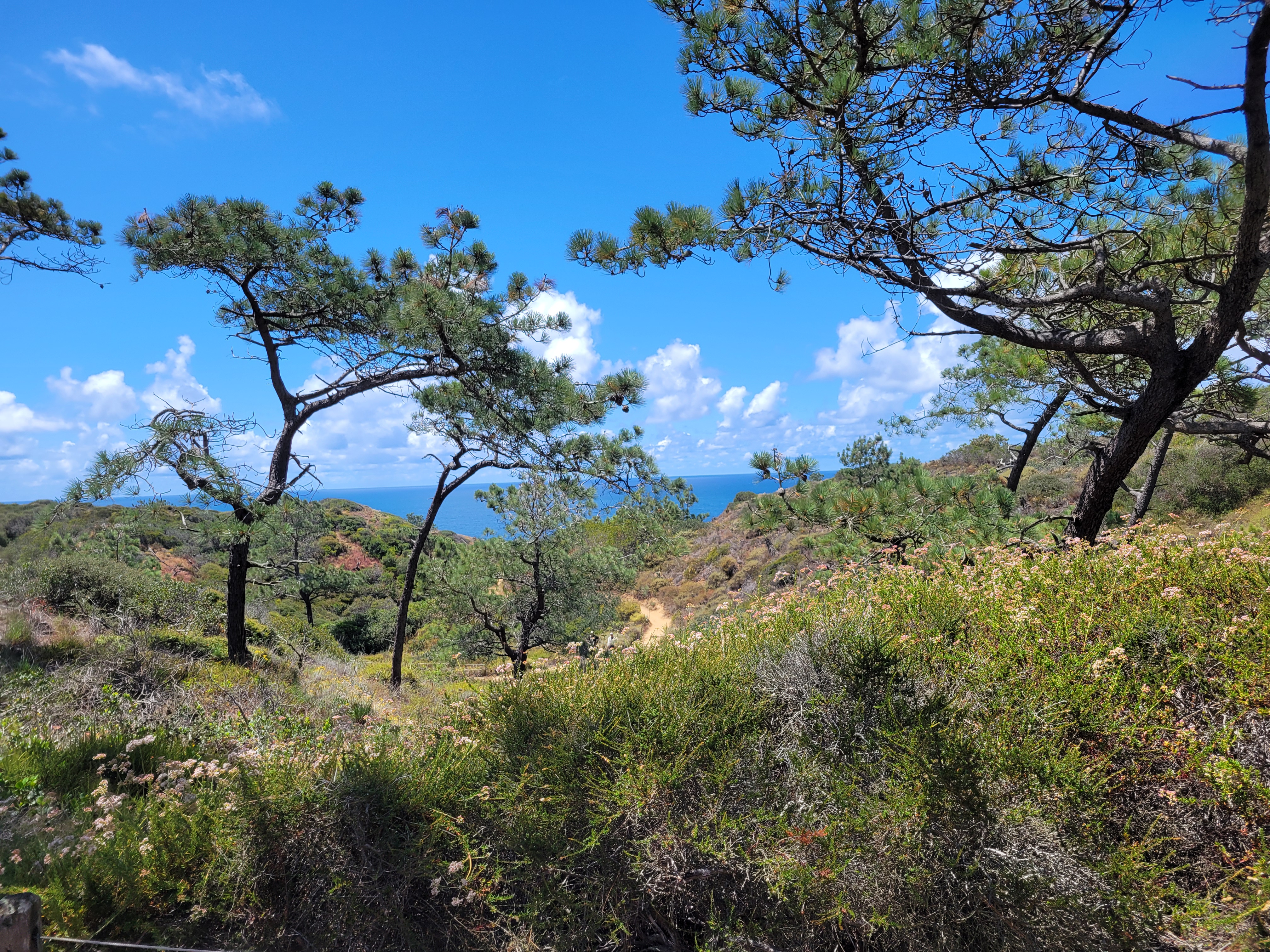
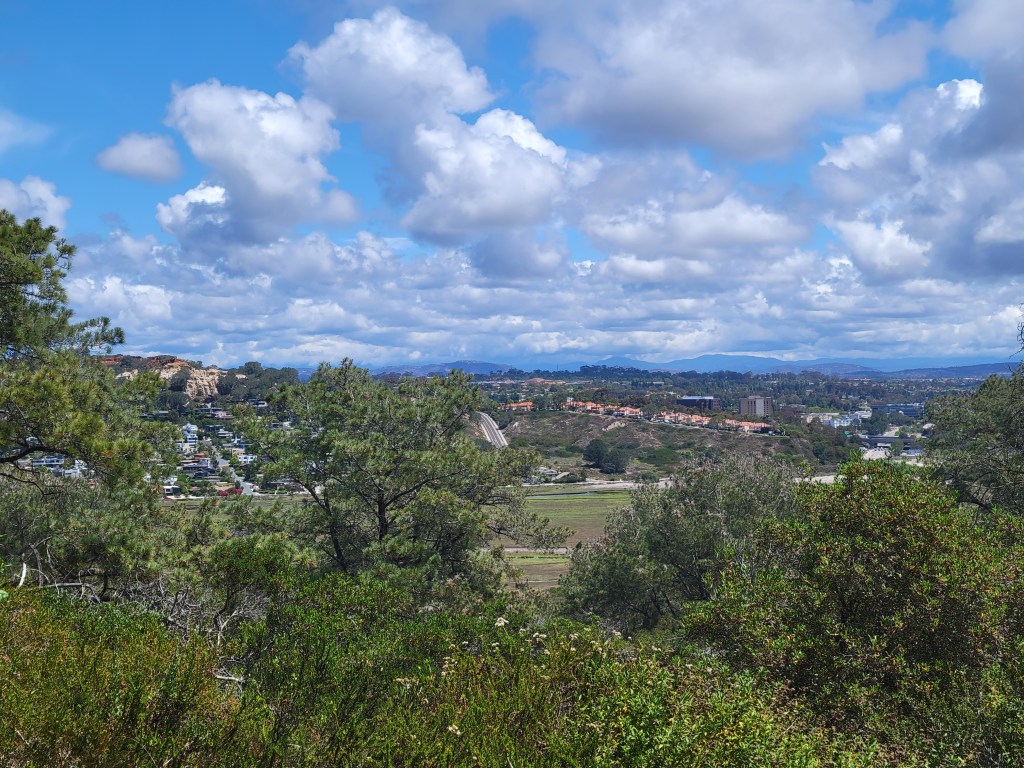
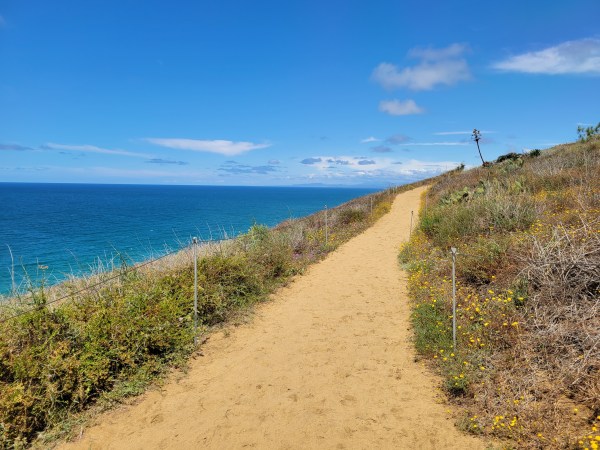
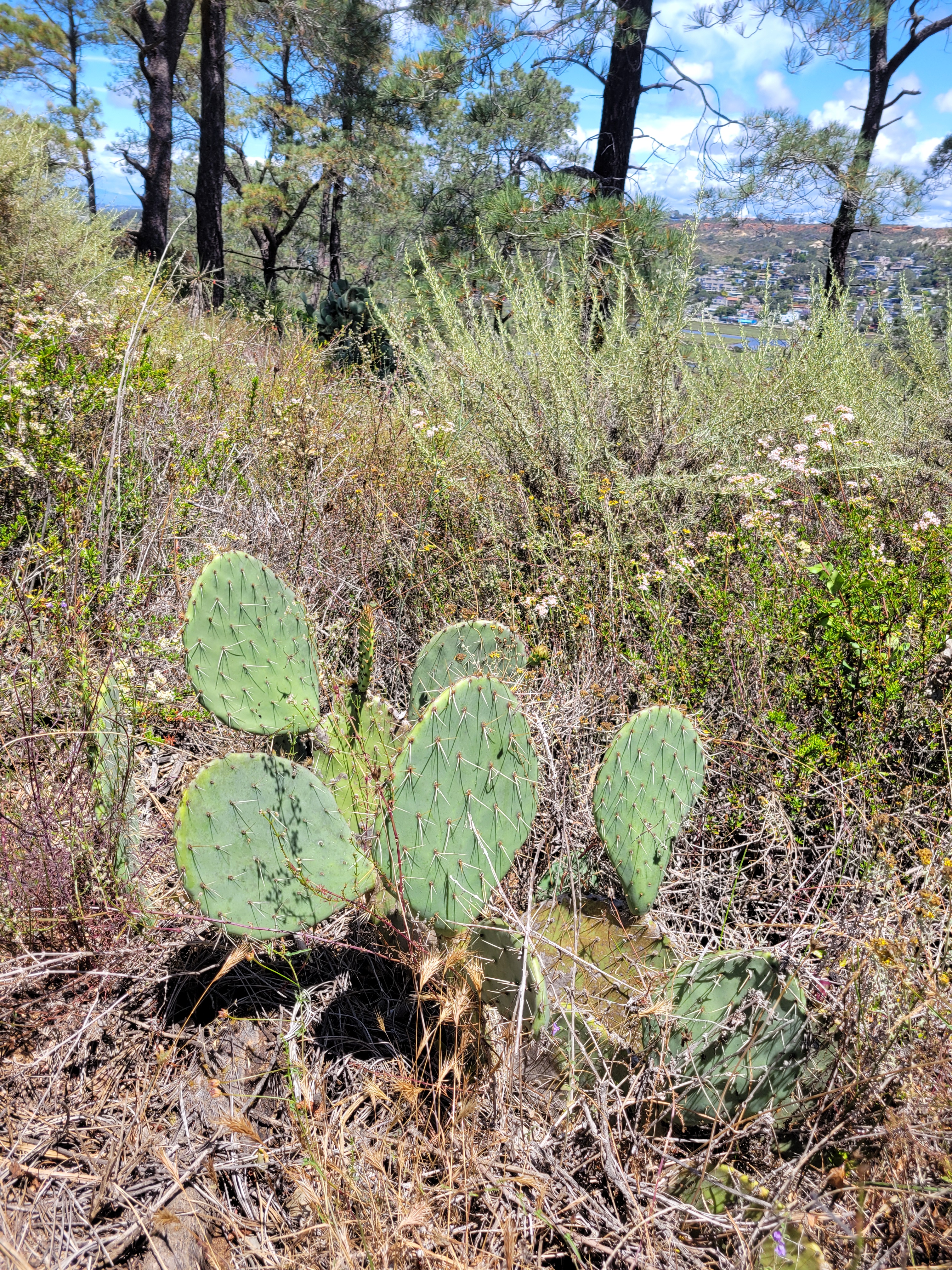
The trails at Torrey Pines.
The attractions:
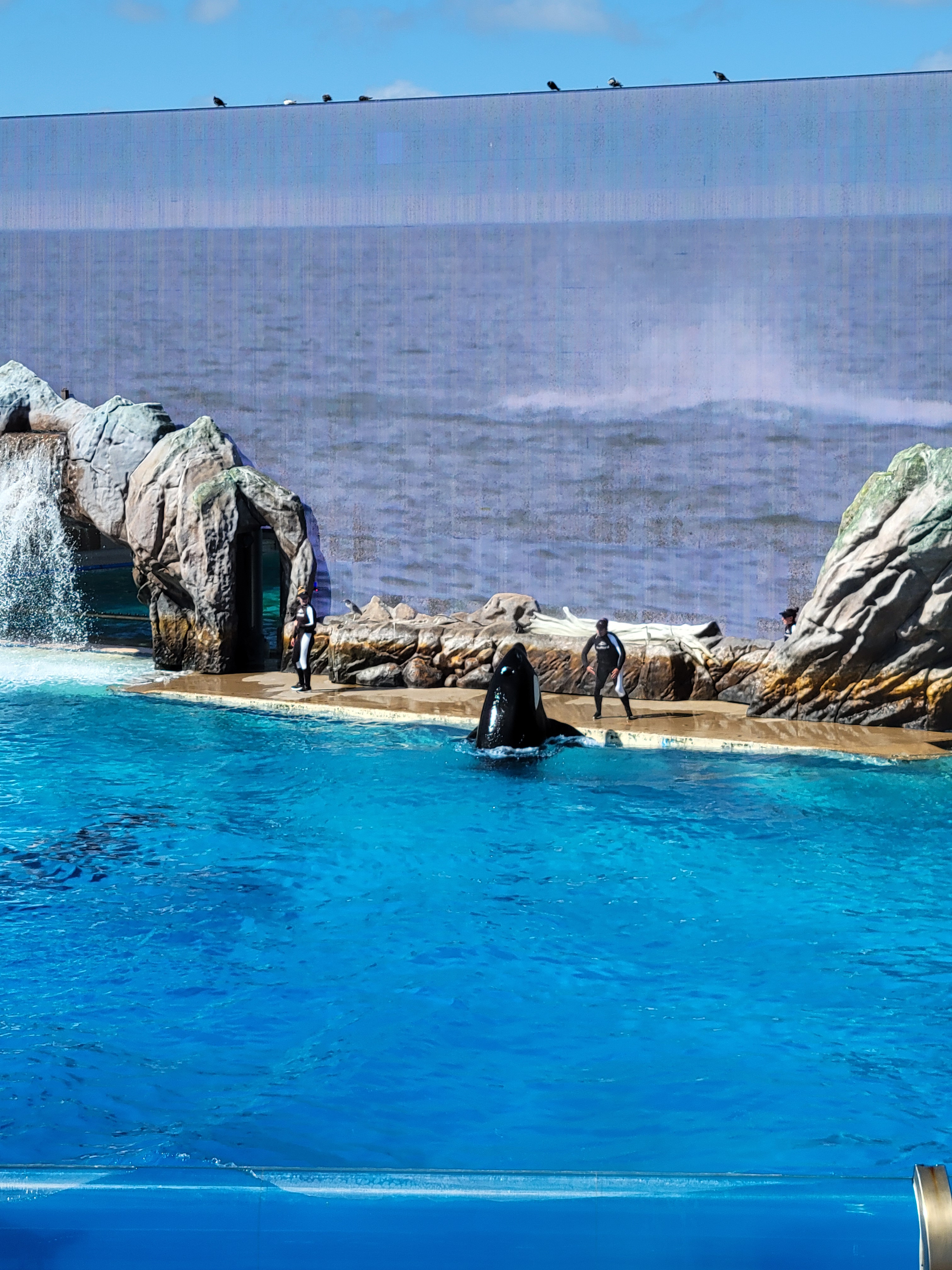
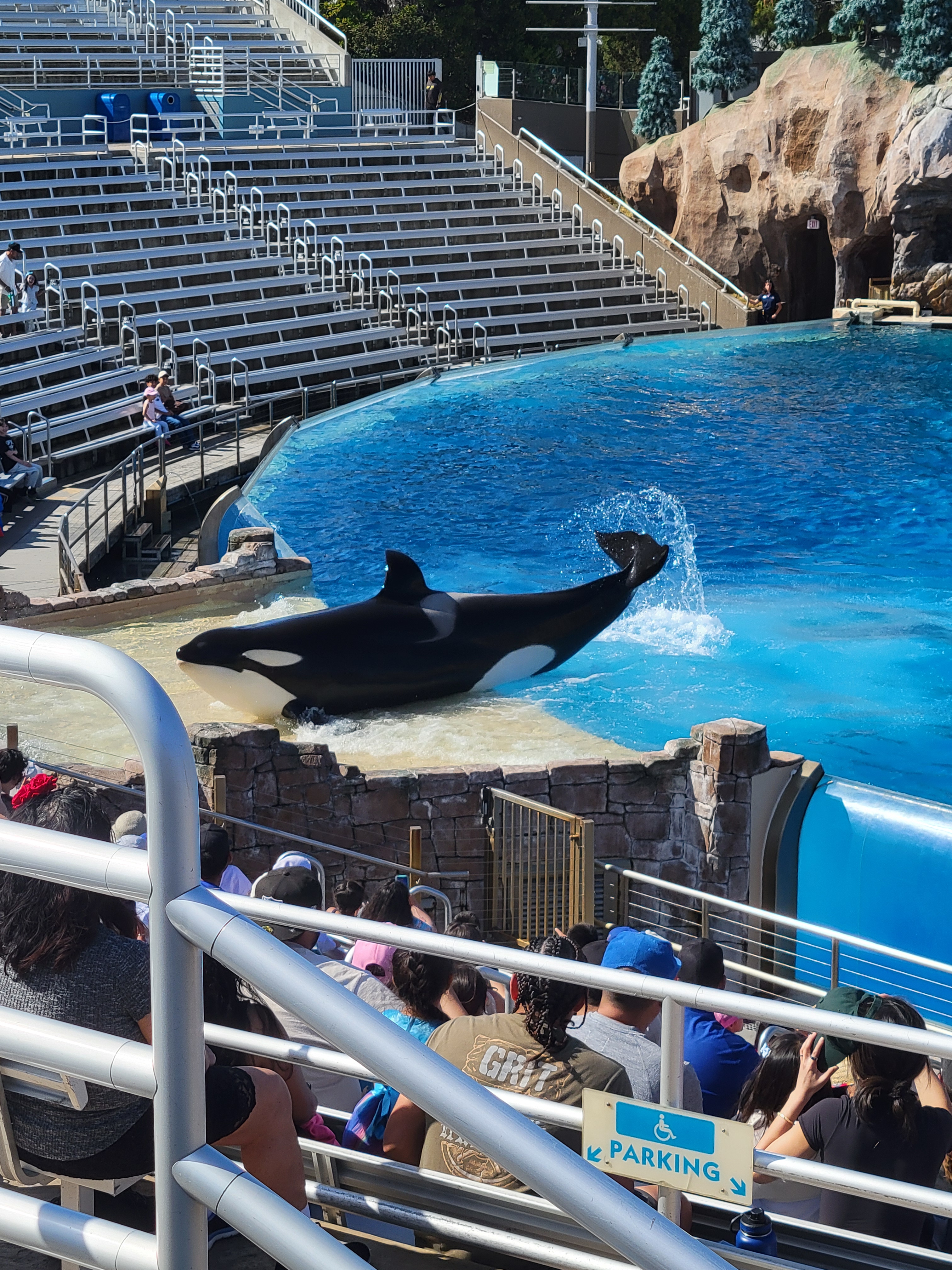
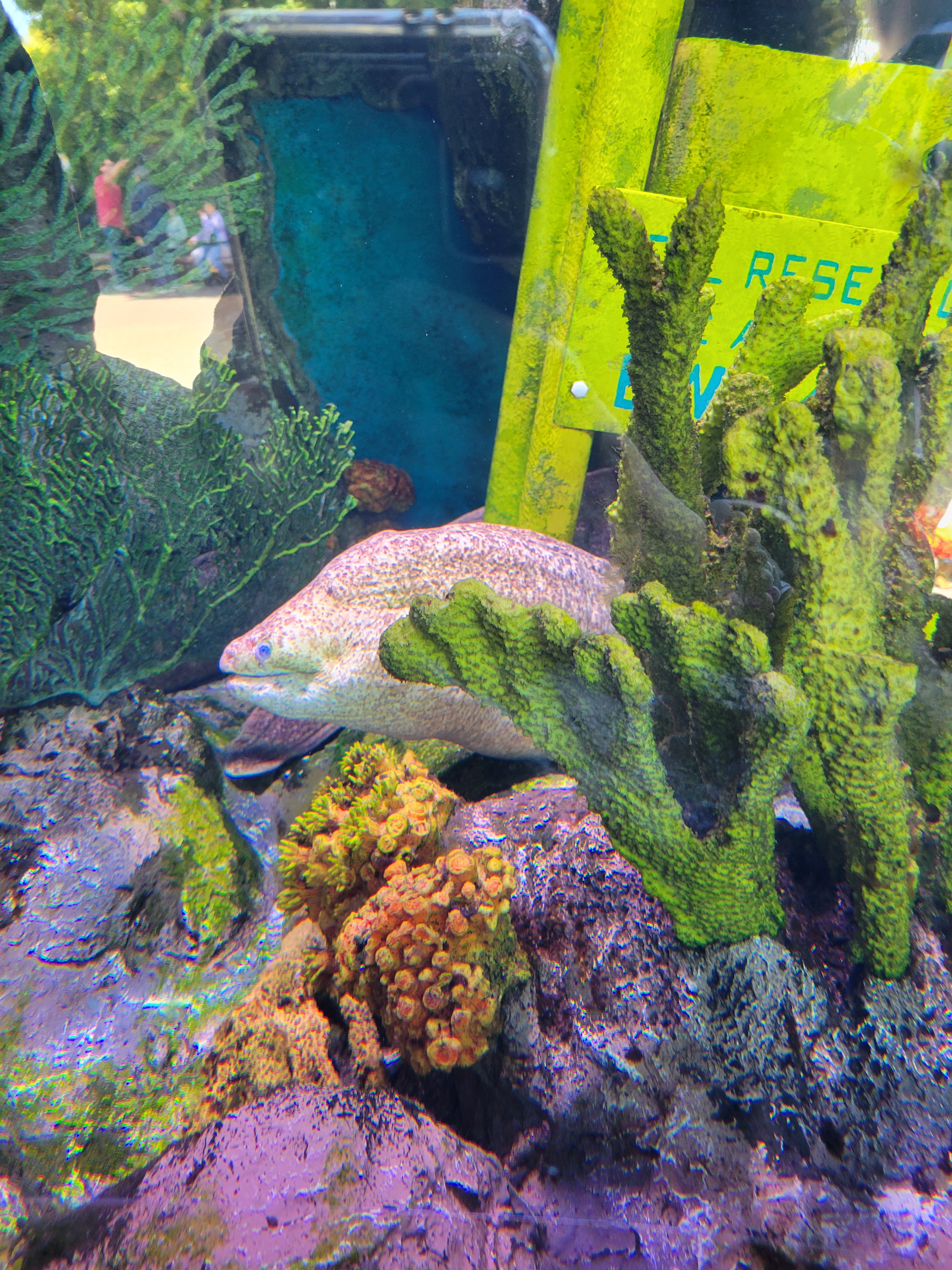
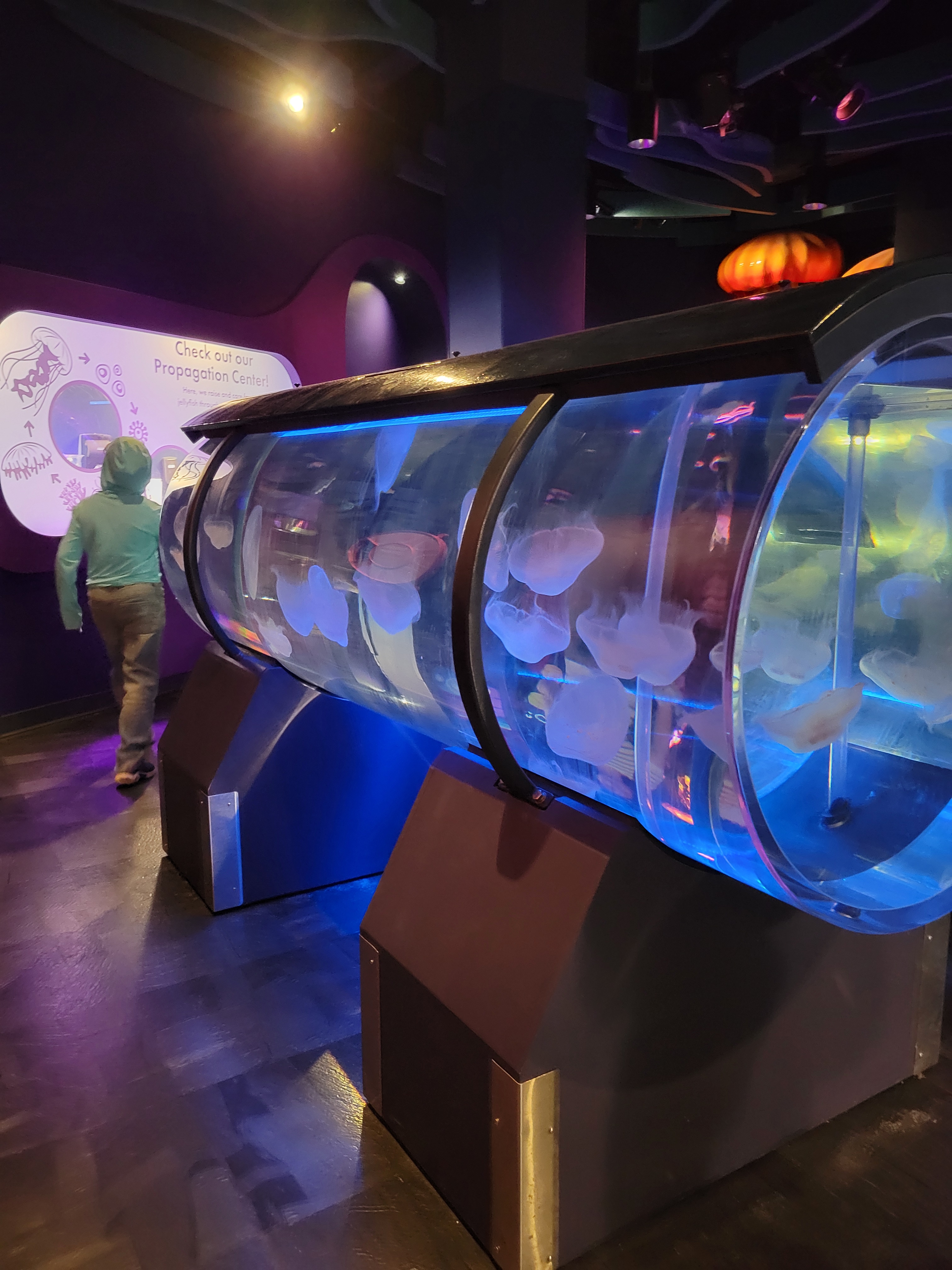
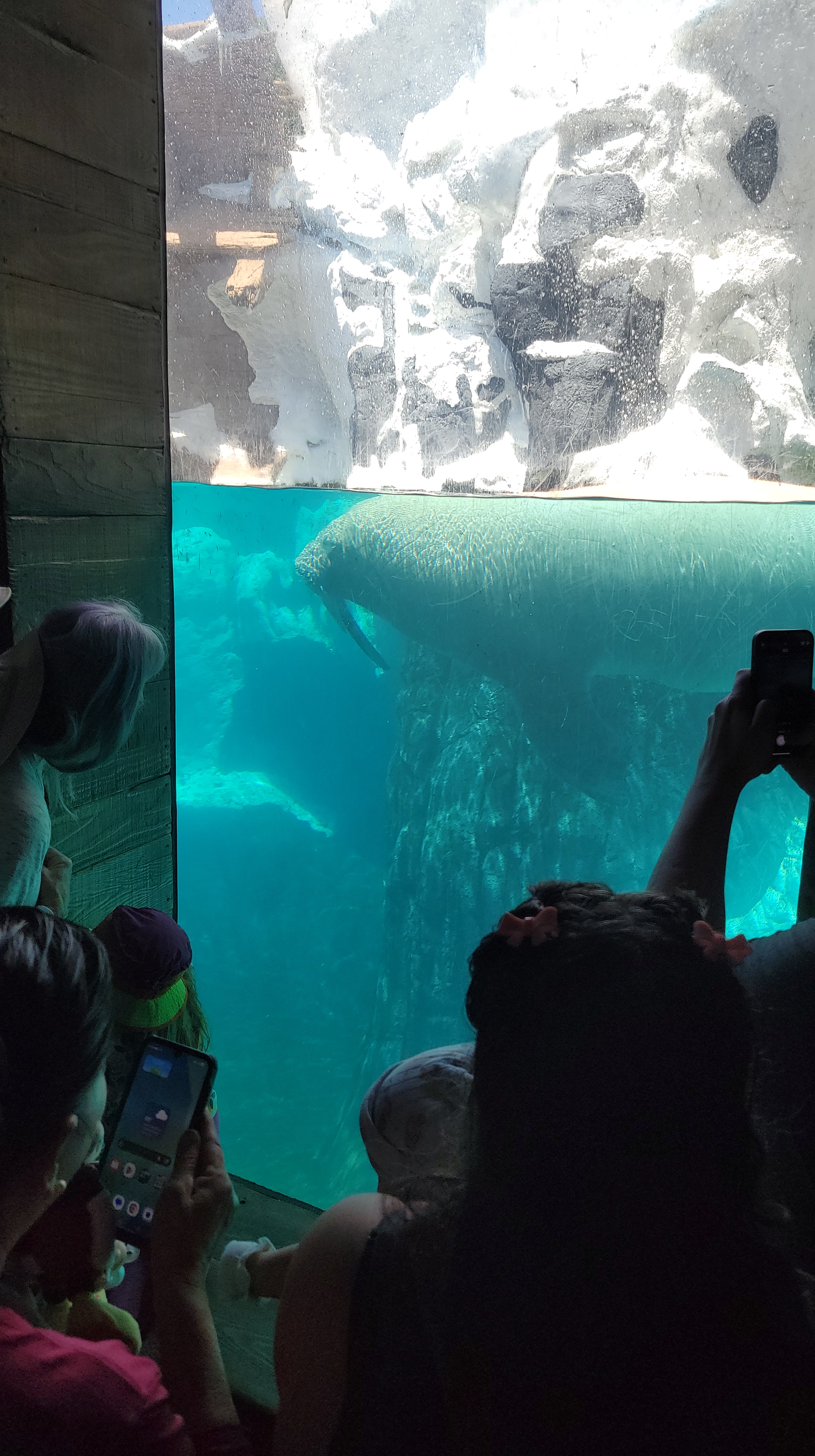
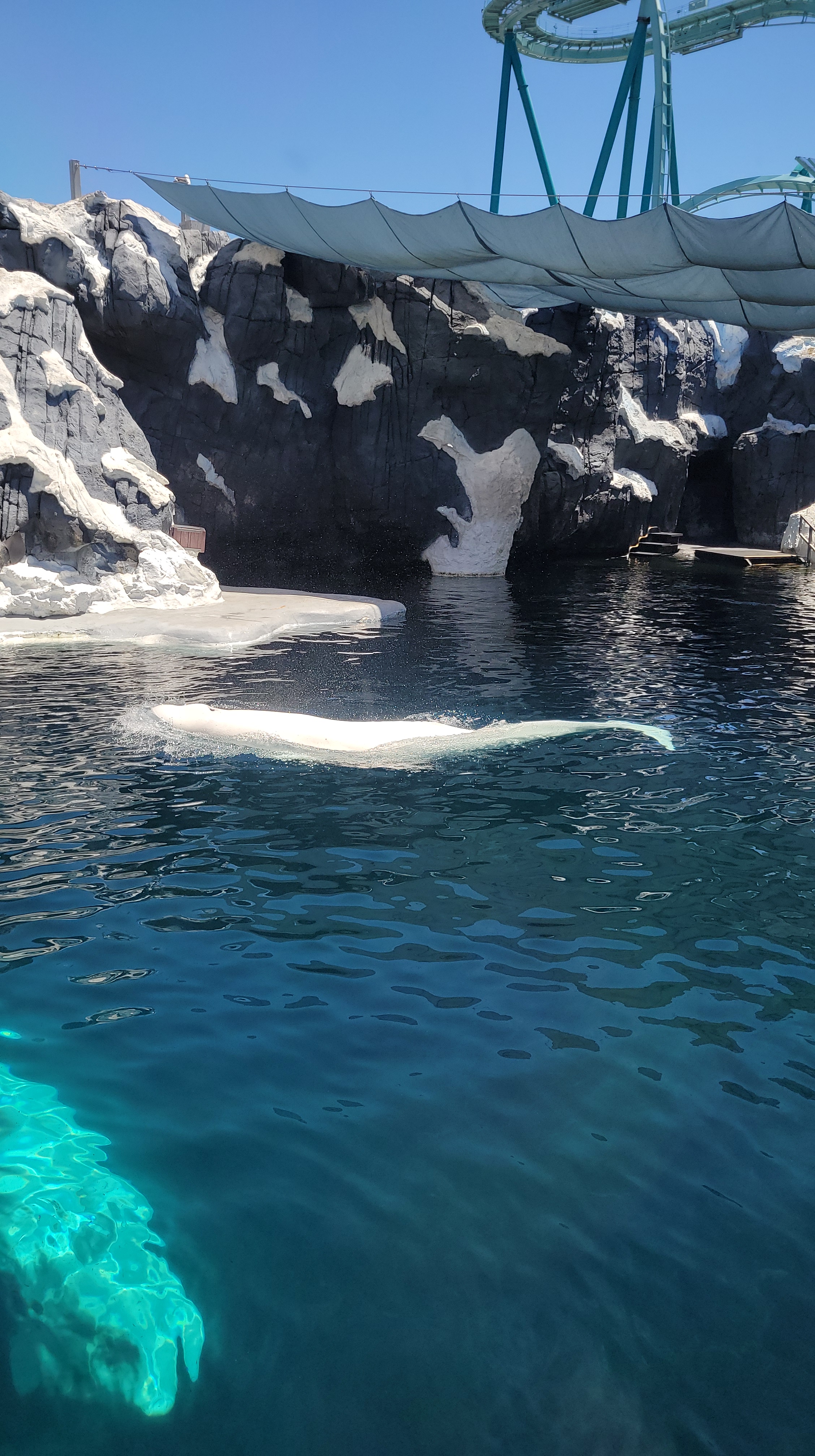
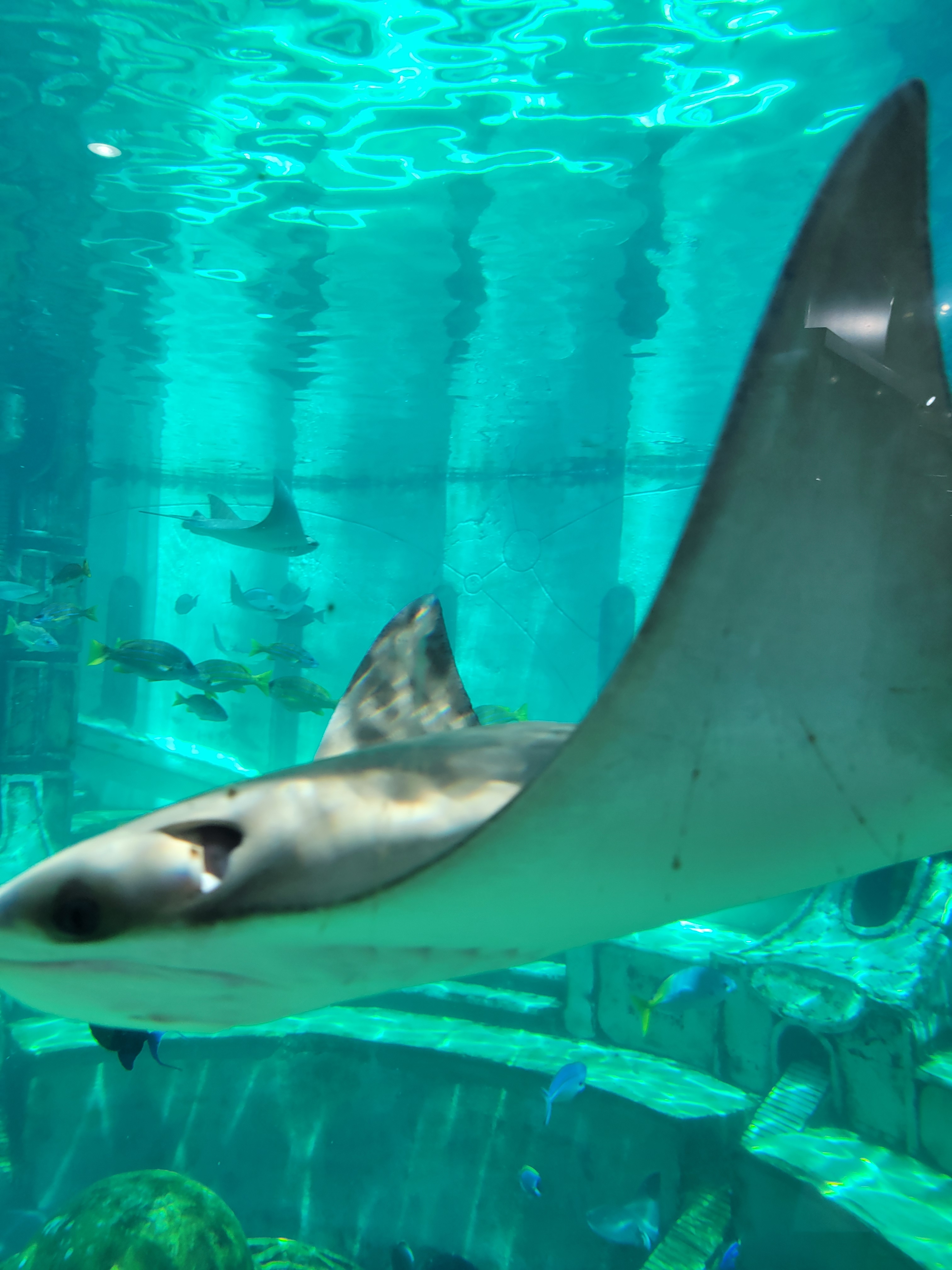
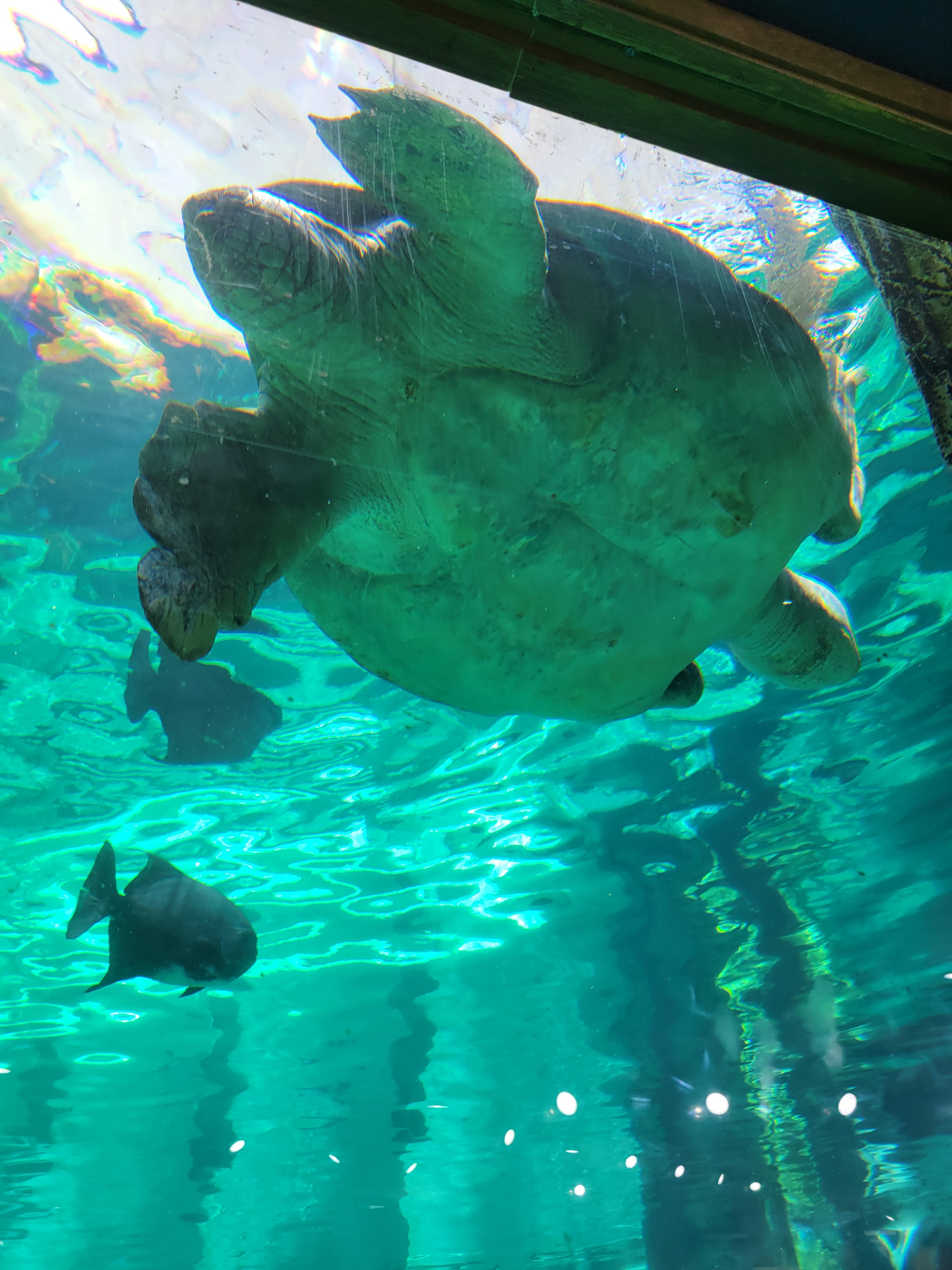
Sea World.
Belmont Park at Mission Beach.
Waterfront Park Playground.
And the shops:
S D Trading Co.
Seaport Village.
Coronado Ferry Landing.
Old Town Market.
But as much as we love revisiting old favorites, we also love discovering new gems.
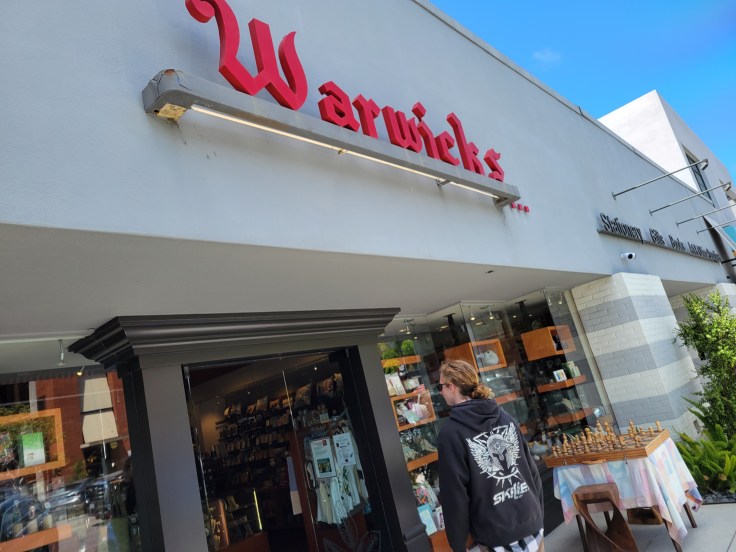
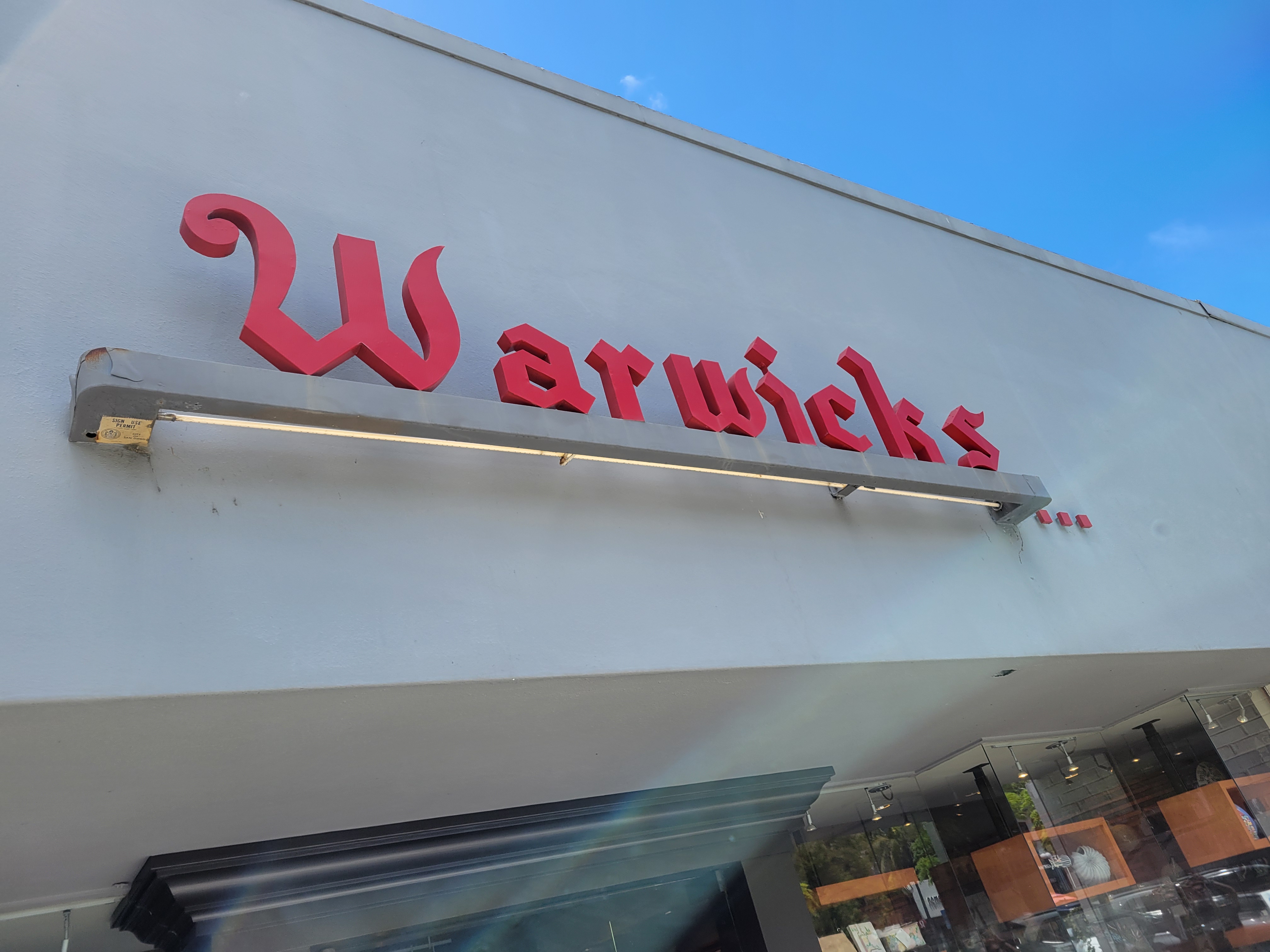
One new discovery on this visit was Warwick’s.
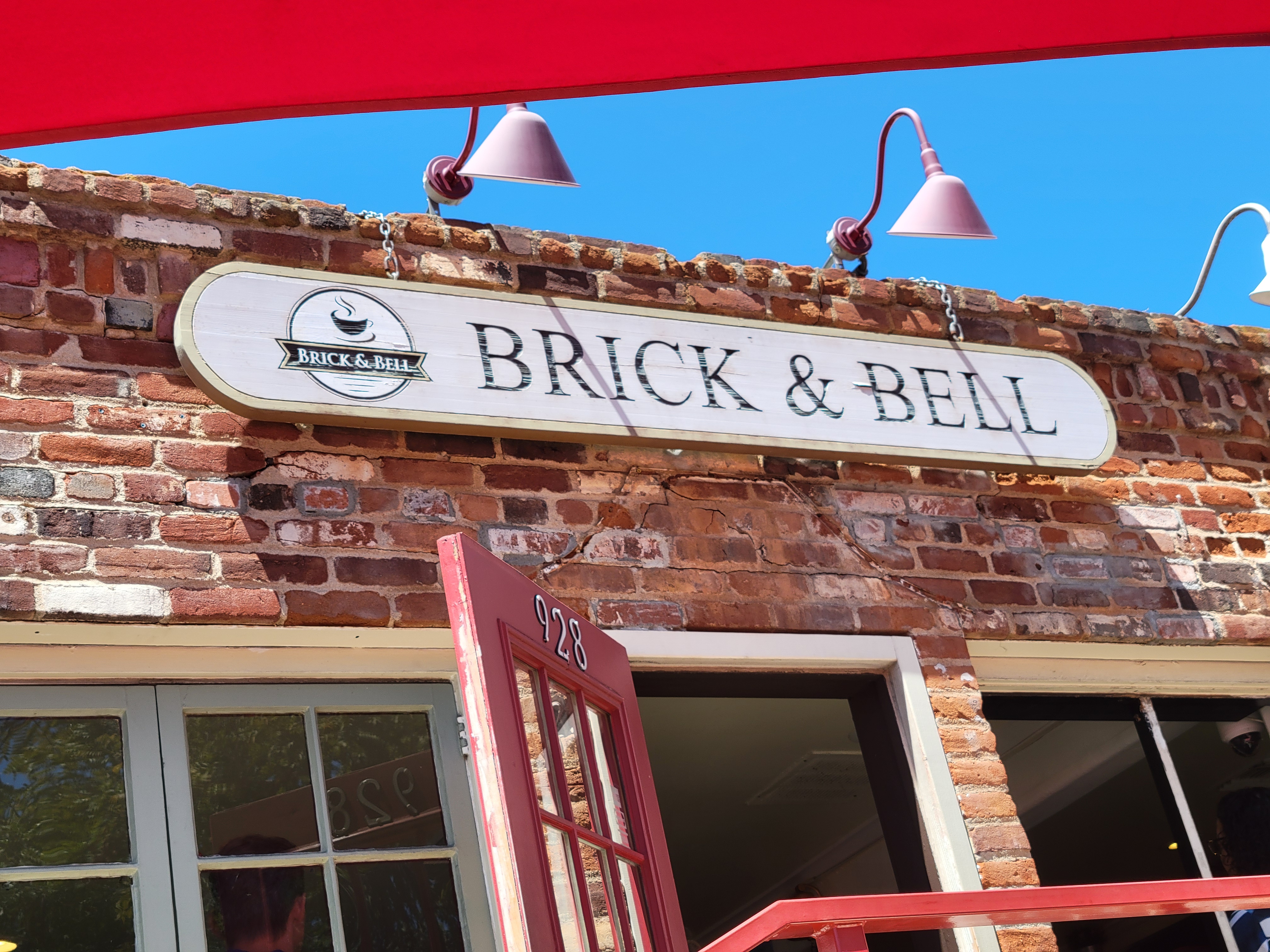
Our oldest’s latest hyperfocus is fountain pens, so before the trip he researched stores in San Diego that carried them and came across Warwick’s. During our day trip to La Jolla to see the seals and sea lions at Seal Rock and grab lunch at Brick & Bell, we decided to stop in and see what this store had to offer.
I expected a small shop specializing in fountain pens, but Warwick’s is so much more than that.
Come to find out, Warwick’s has been around since 1896 and is the country’s oldest continuously family-owned and operated bookstore. They boast a wide selection of books, stationery, pens, art supplies, gifts, and jewelry.
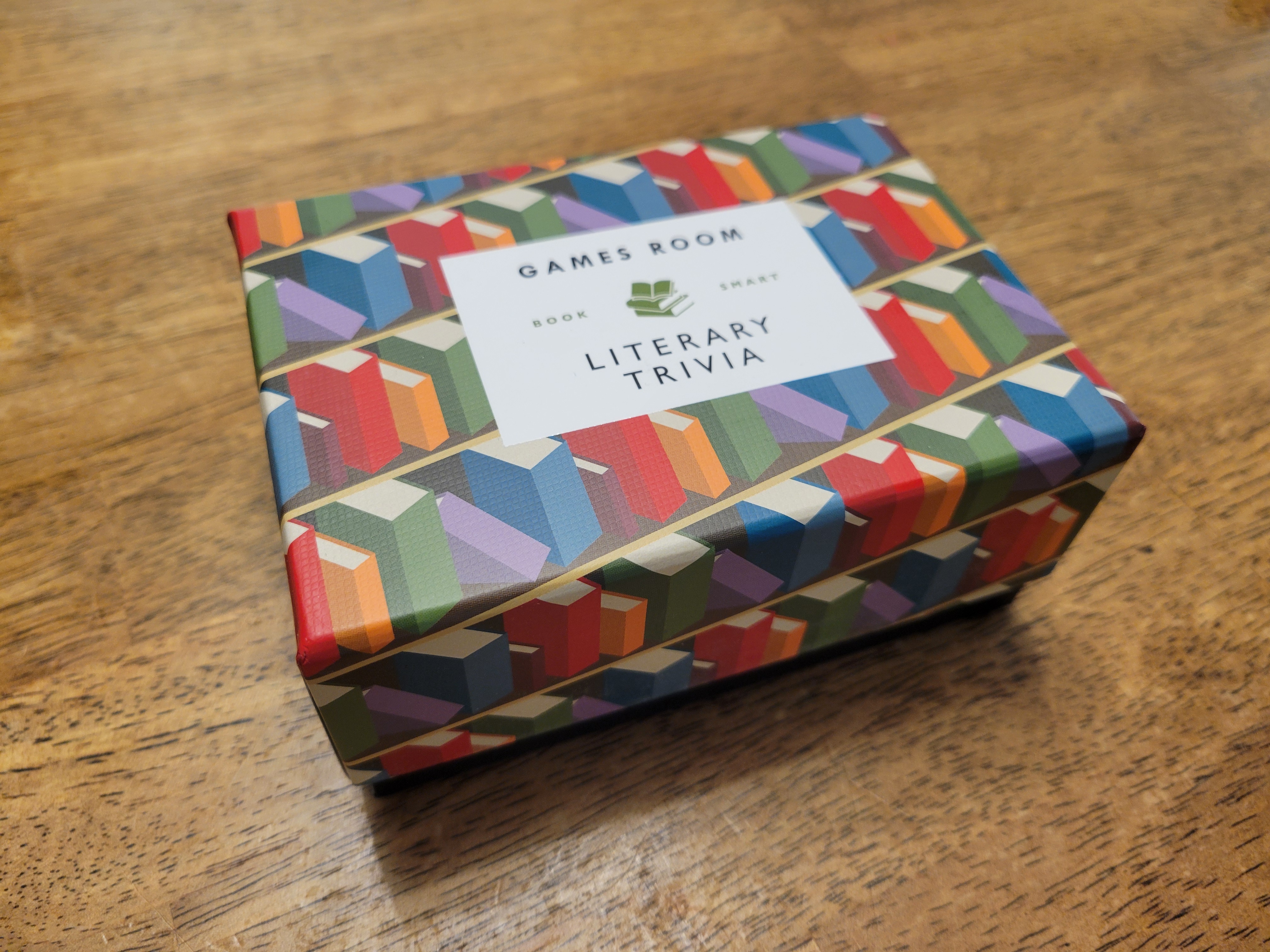
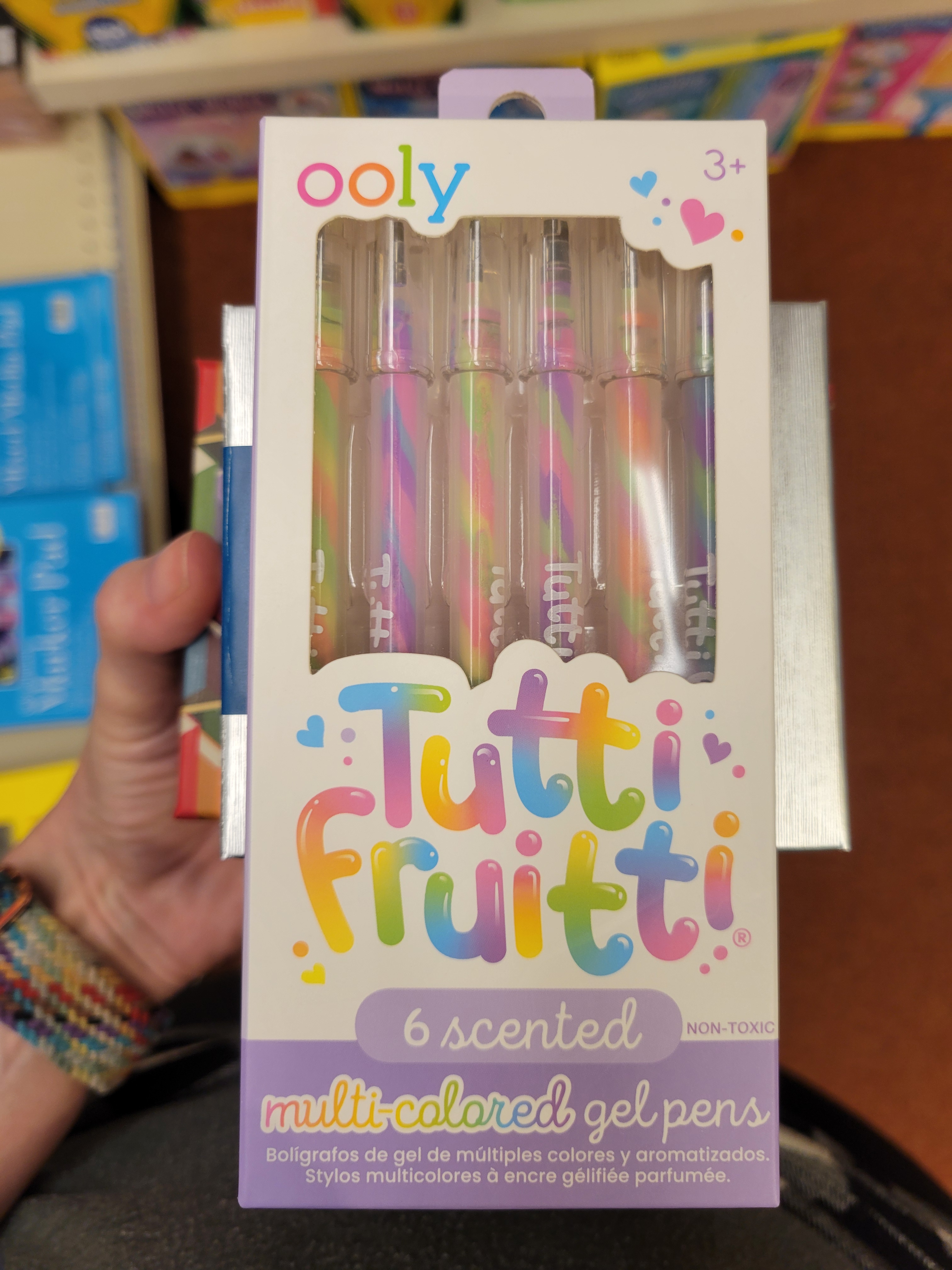
I found myself naturally gravitating toward their book-ish gifts and picked up a trivia game for my book club. Our oldest found a fountain pen he’d been searching for. We browsed the stationery, journals, art supplies, and of course, the books. I even grabbed a set of scented multicolored gel pens for our youngest.
The store was quite busy the day we visited, so honestly it felt a bit overwhelming. We left wishing we’d had more time to browse the aisles and learn more about their fountain pen selection.
So a few days later, we went back. And I’m so glad we did.
This time the store was quieter, and the woman behind the counter was incredibly knowledgeable, helpful, and patient with us as we explored the fountain pens.
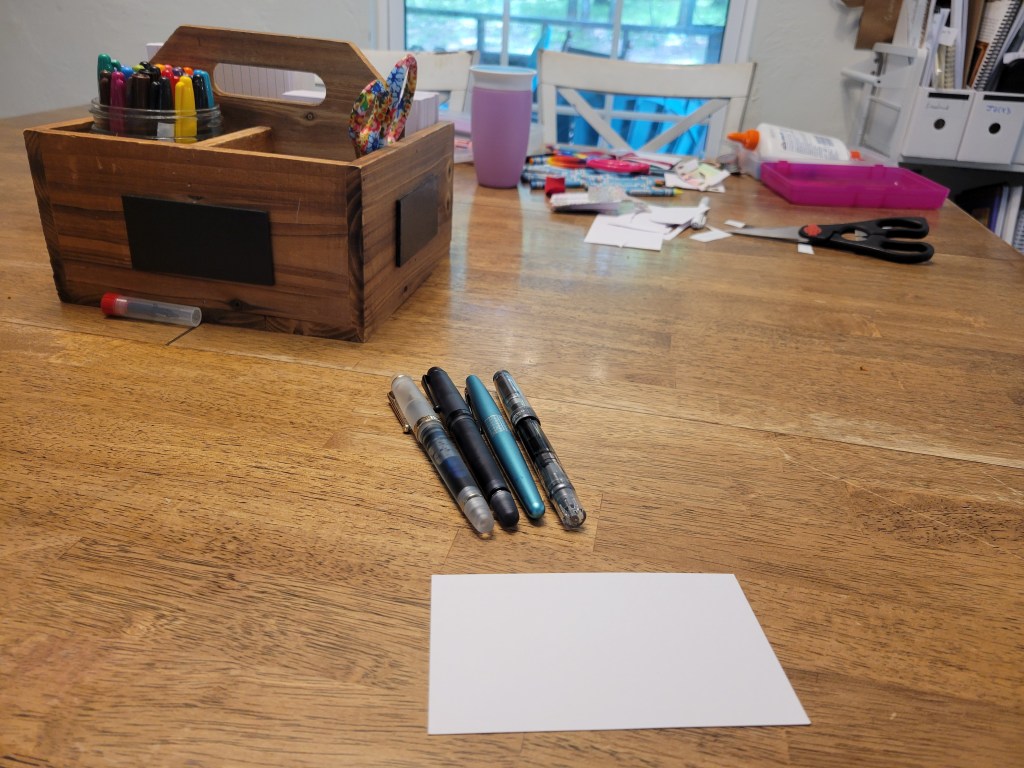
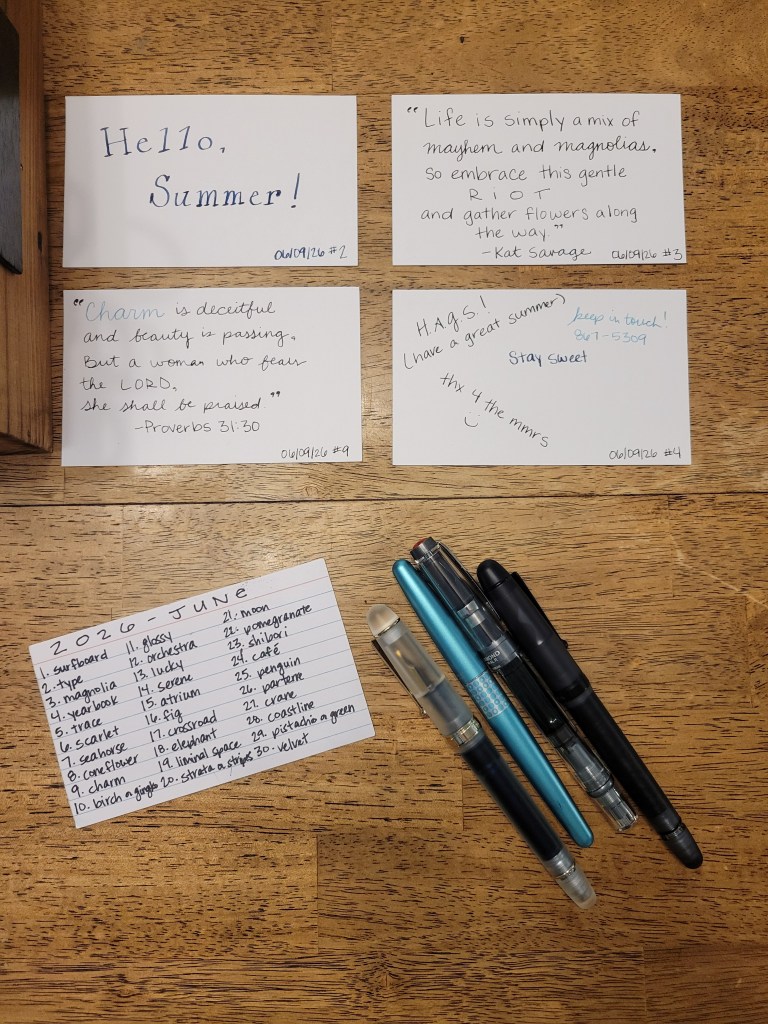
By the time we left, I had purchased my very first fountain pen and bottle of ink. Our middle child bought his first fountain pen. Our oldest added yet another pen—and more ink—to his growing collection. We also picked up several notebooks so we could immediately test them out back at our hotel.
That one little shopping trip for my oldest has actually breathed new life into our homeschool days, growing into a newfound shared hobby.
All three of us are enjoying our fountain pens, practicing our handwriting, and experimenting with different pens, inks, nibs, and notebooks.
How incredible that the discovery of a new place can spark new passions, new hobbies, and new life. And how quickly today’s new gems can become into tomorrow’s old favorites.
From the Grand Canyon, we traveled on to Lake Havasu City, Arizona for the night.
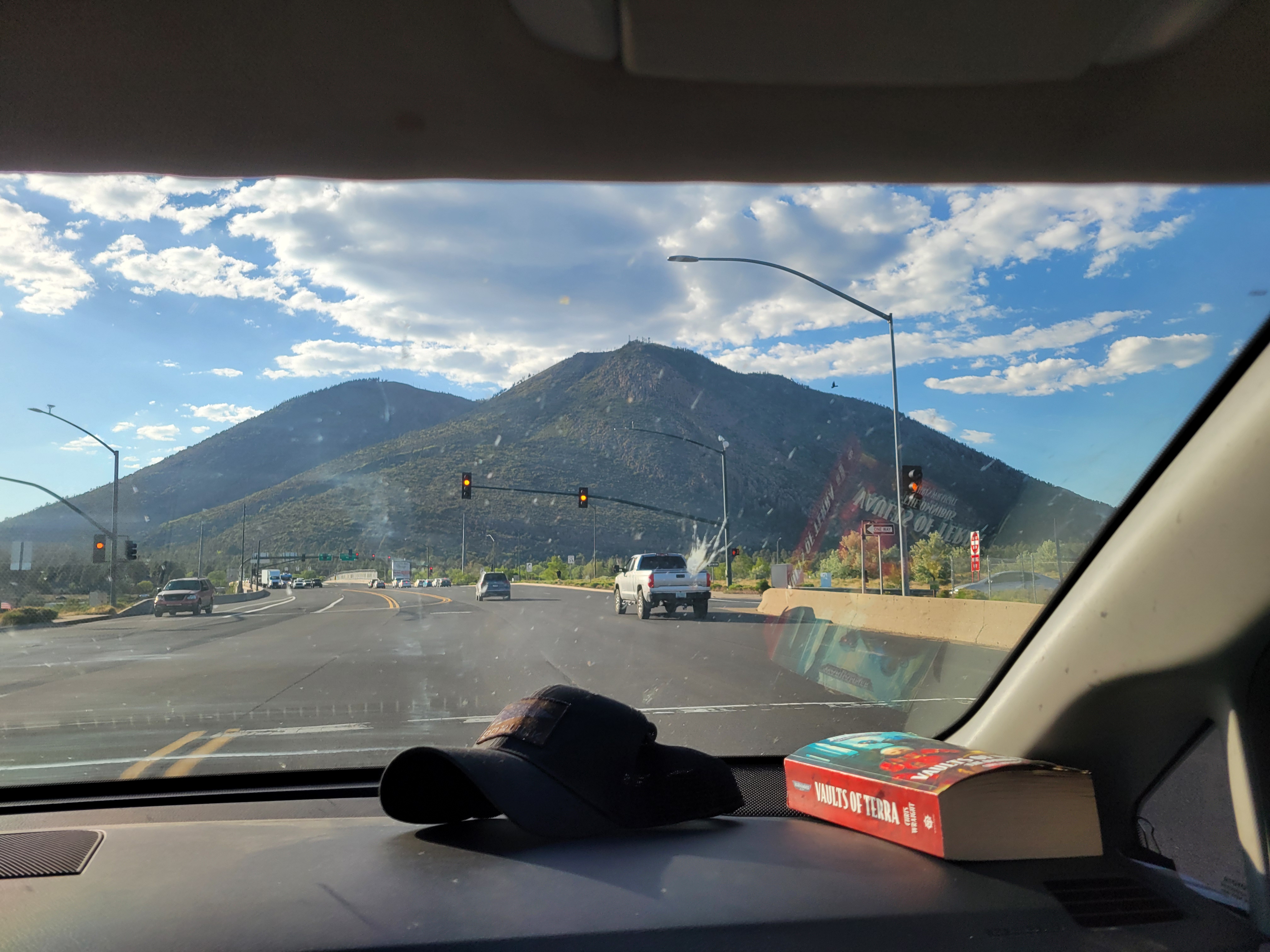
The next morning, we finally crossed the mountains into San Diego.
Ahh, San Diego.
My favorite place in the whole world.
Granted, I haven’t seen the whole world, but thus far, San Diego firmly retains the #1 position.
Many have asked me what I love about San Diego, and honestly, it’s difficult to fully articulate. There’s just something about this city that makes me come alive in a way that nowhere else does.
It’s like I can finally take a full, deep breath.
The salty air.
The warm sunshine.
The cool breeze.
The temperatures are perfection—the cloudy mornings call for hoodies, while the sunny afternoons call for swimsuits and shorts.
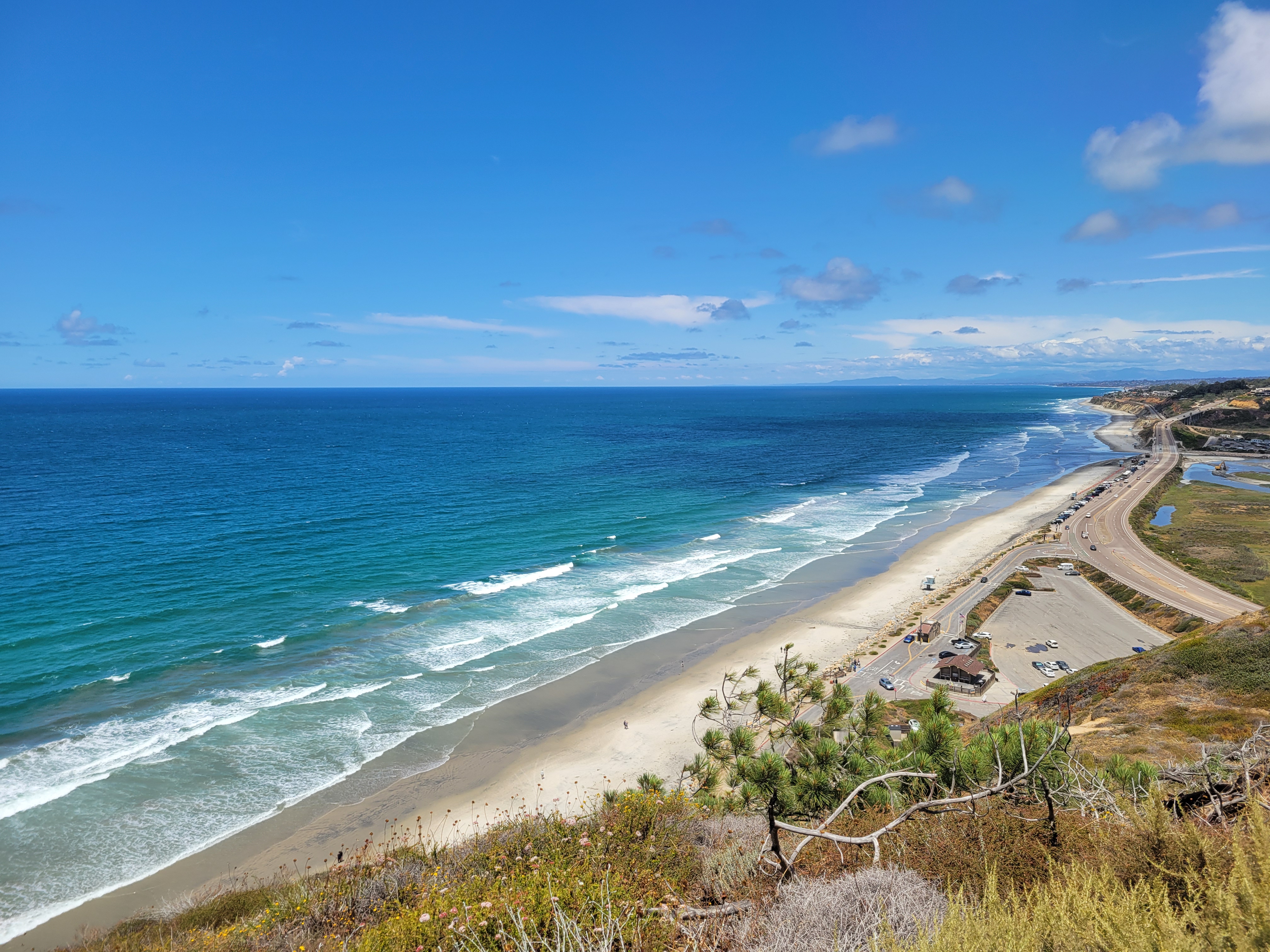
And somehow, you get both beaches and mountains.
What’s not to love?
Yeah, okay, the cost of living is a bit of a drawback.
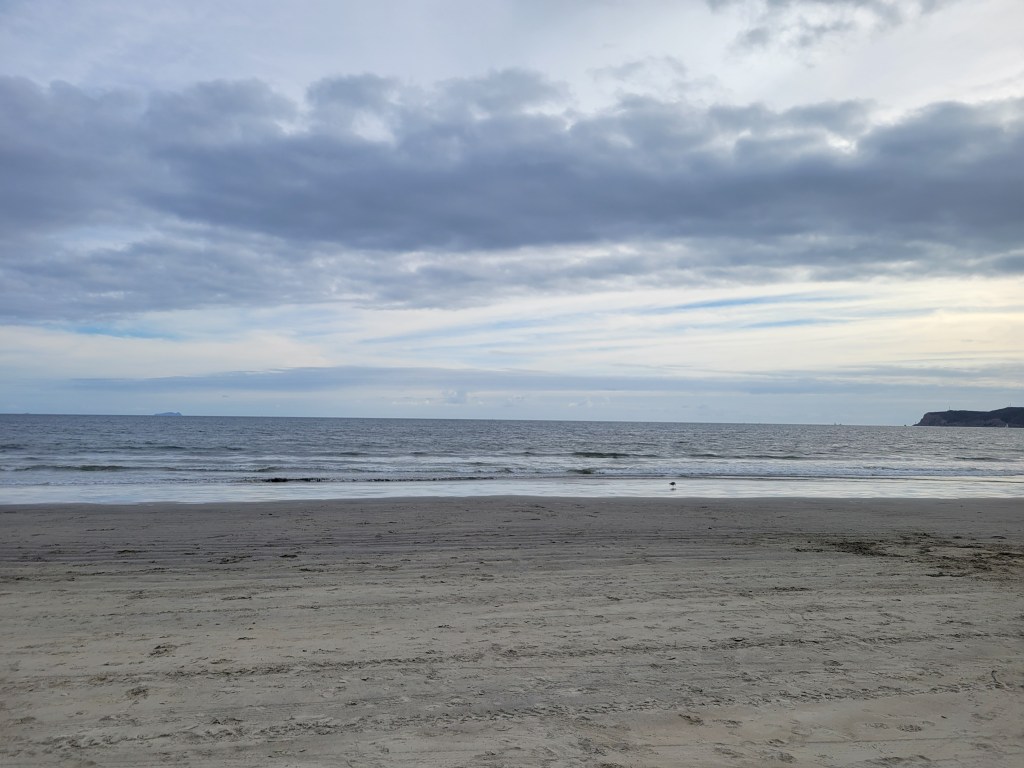
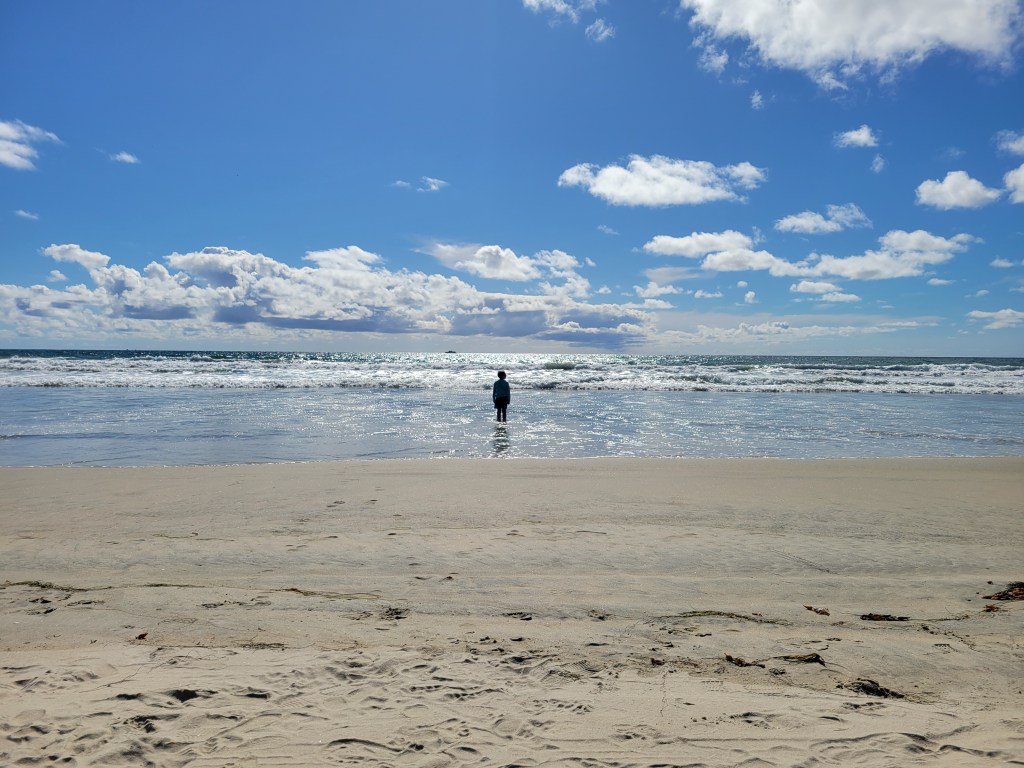
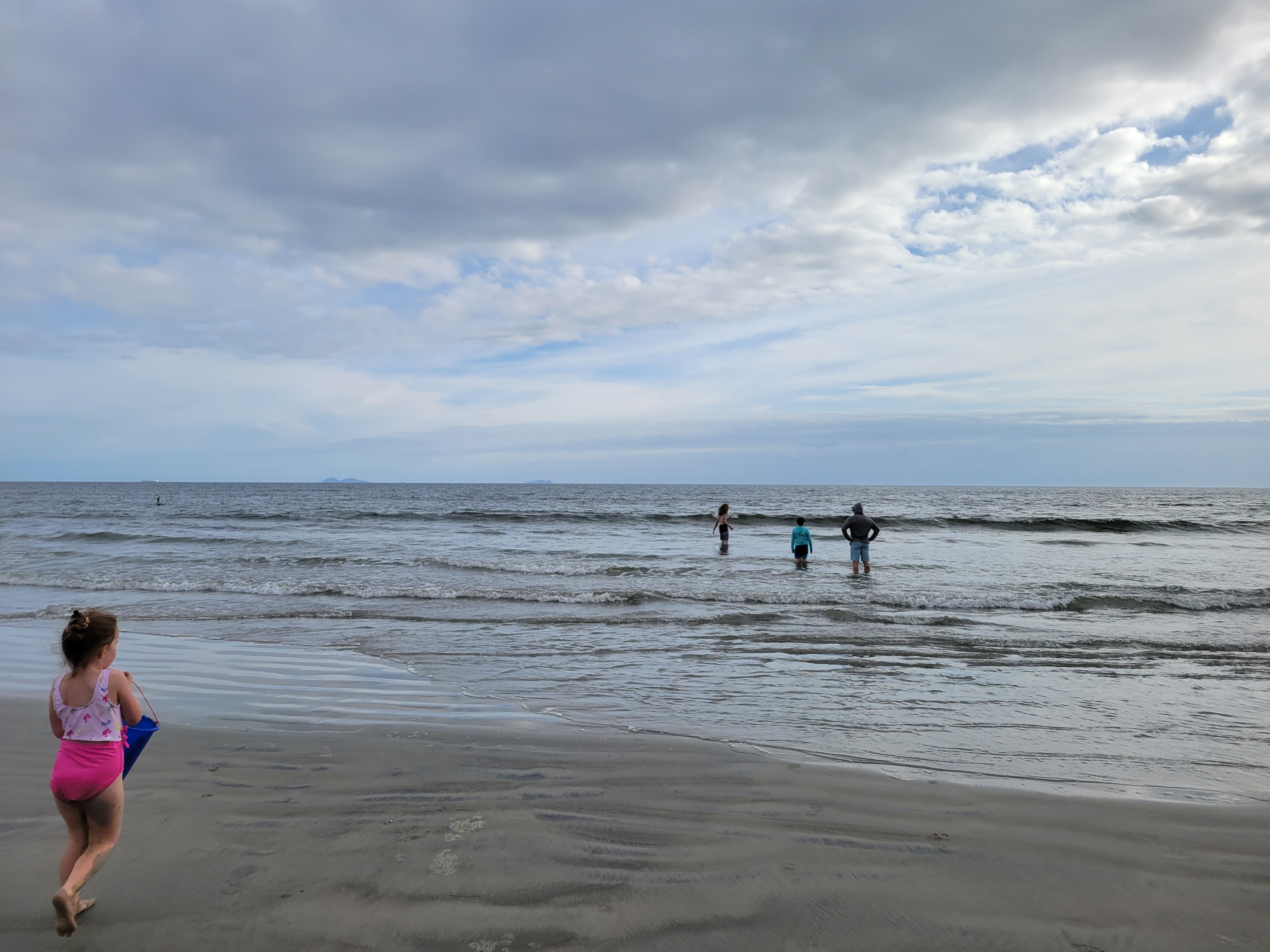
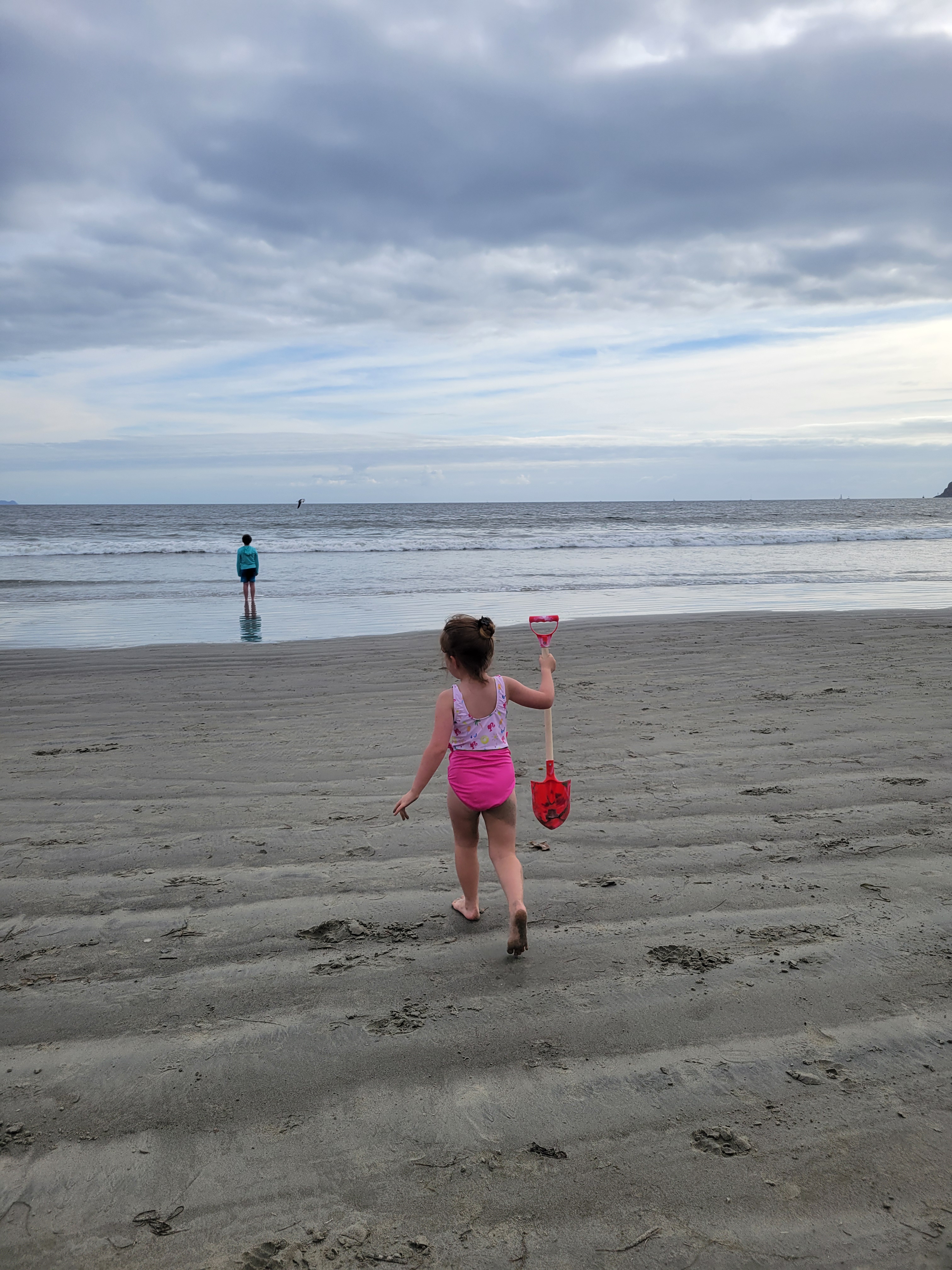
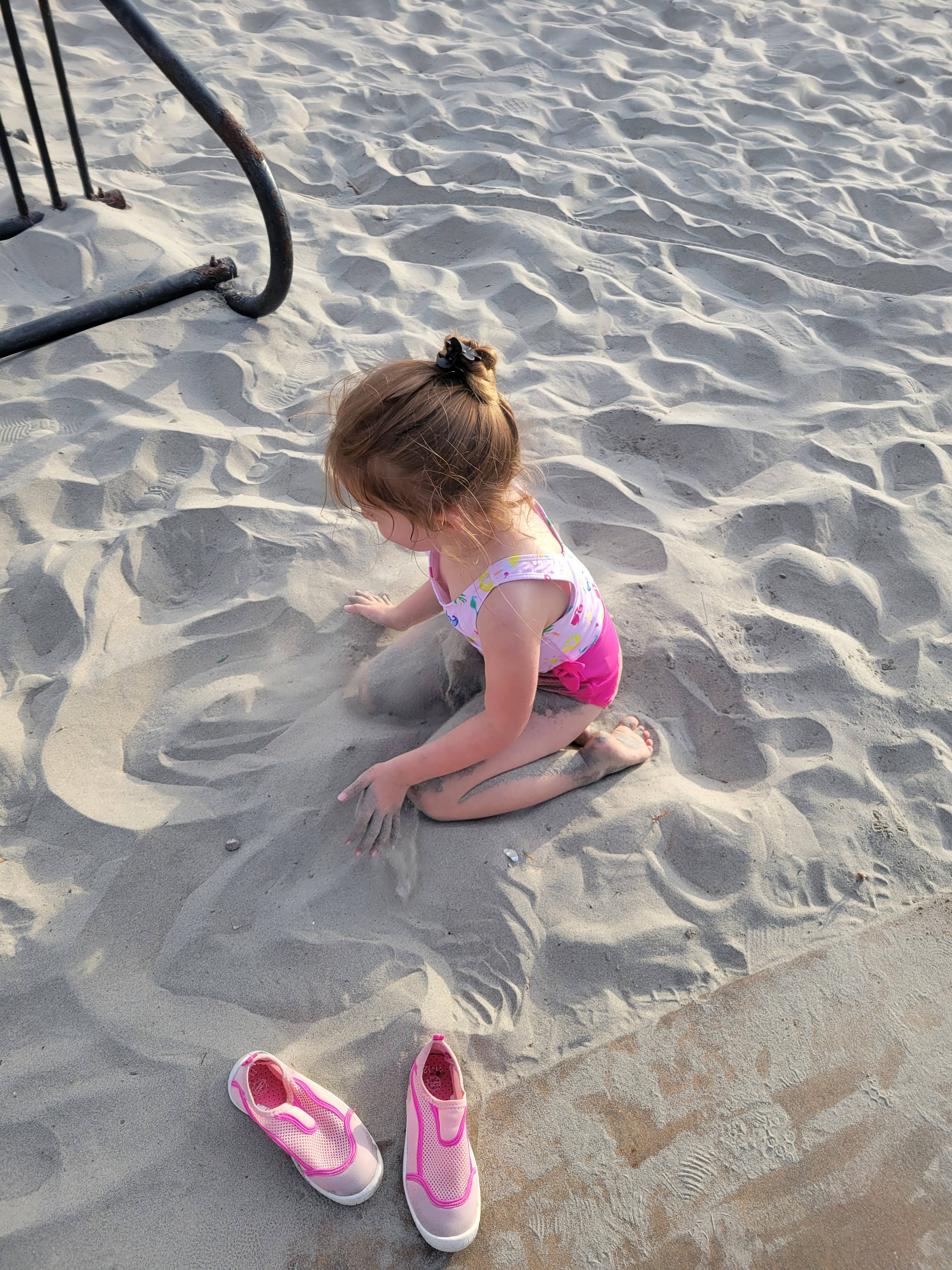
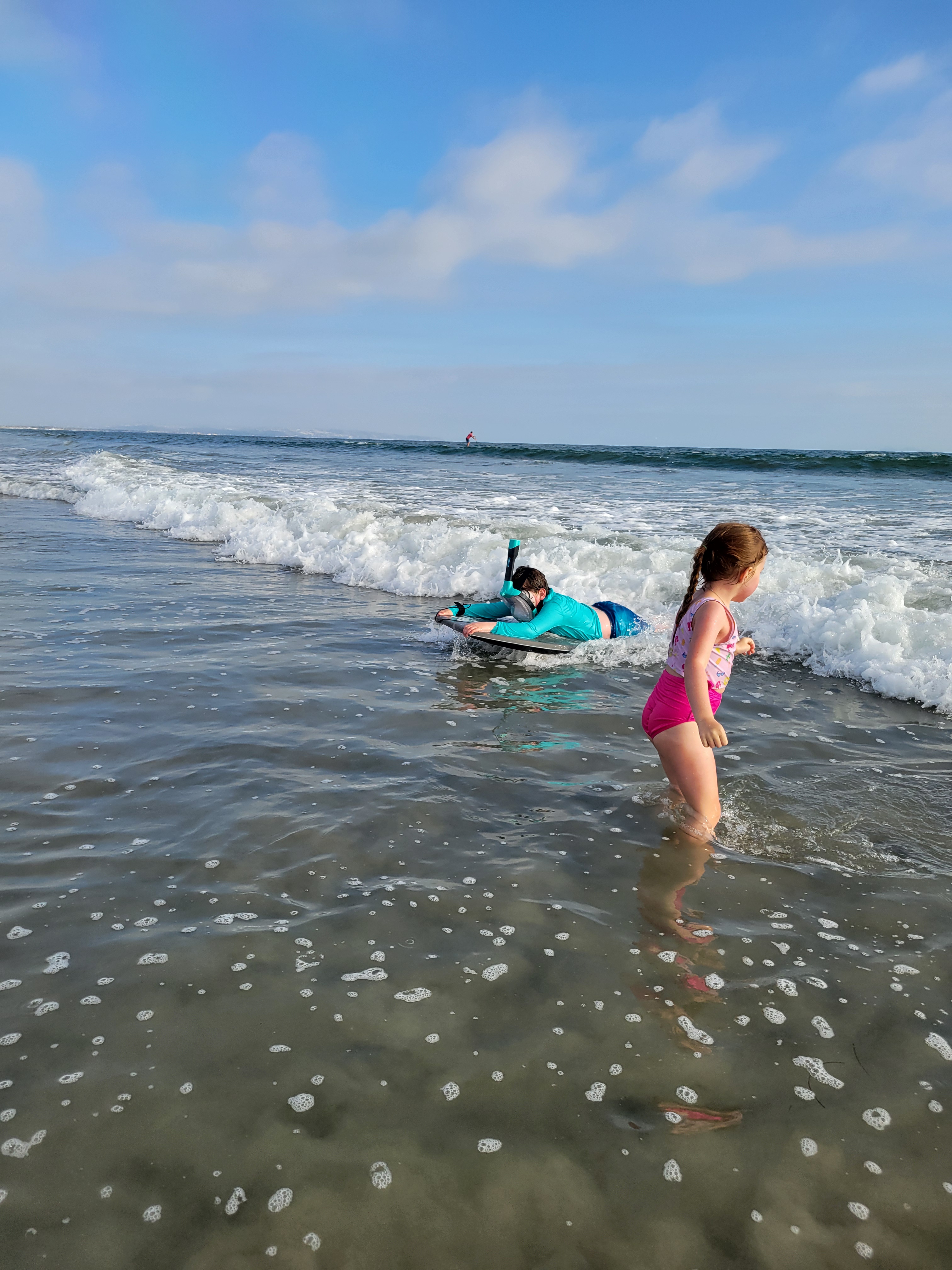
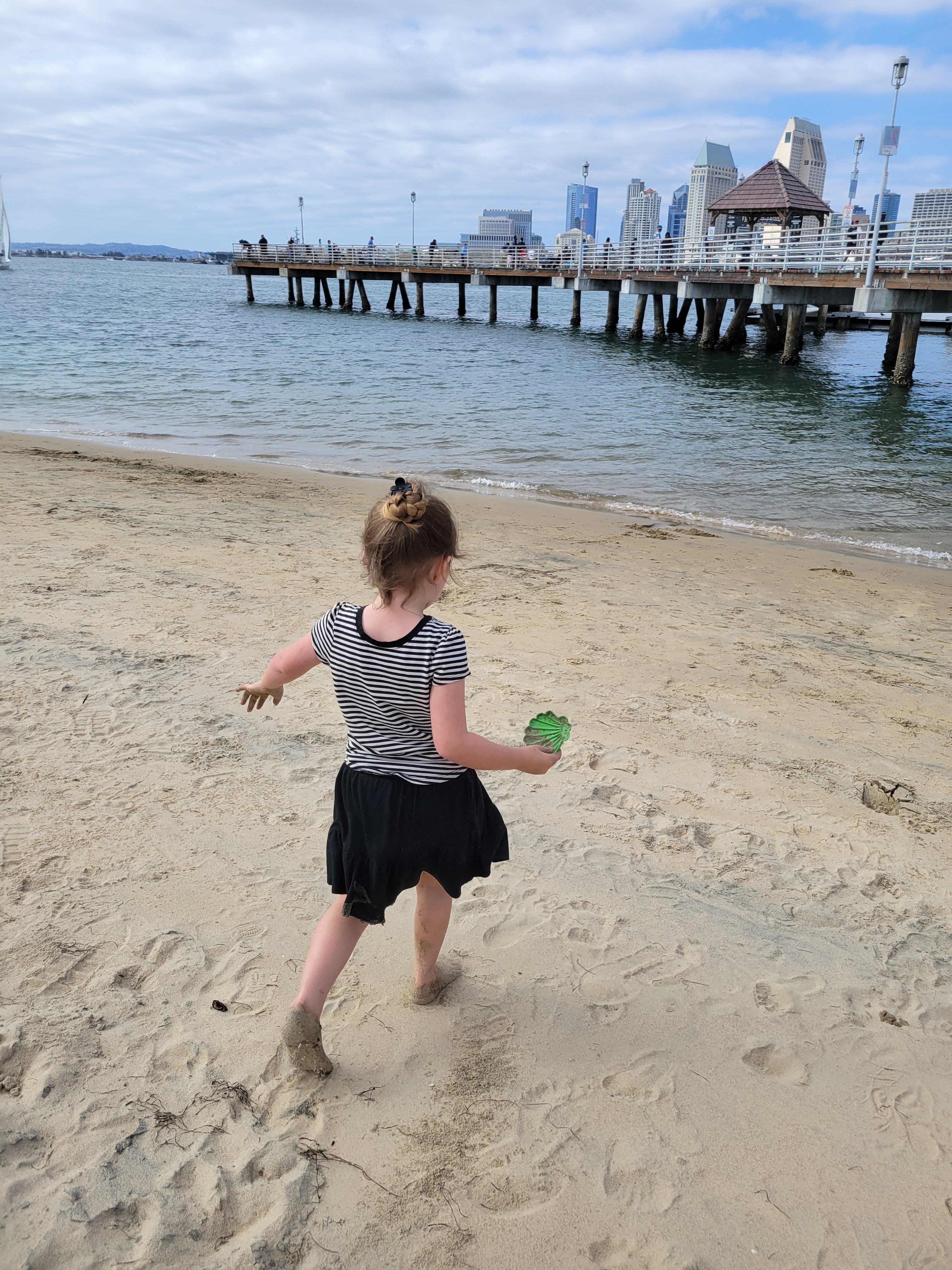
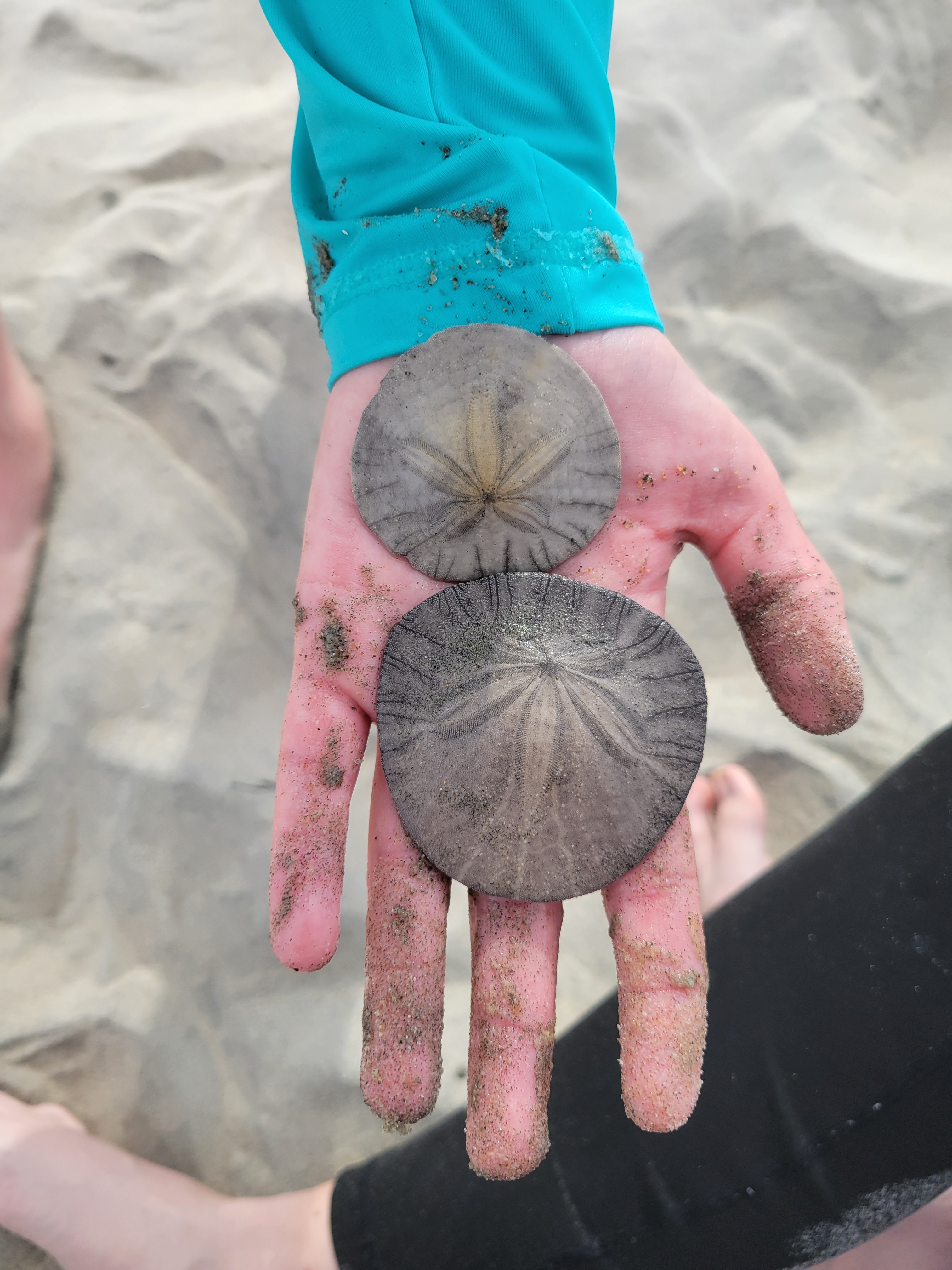
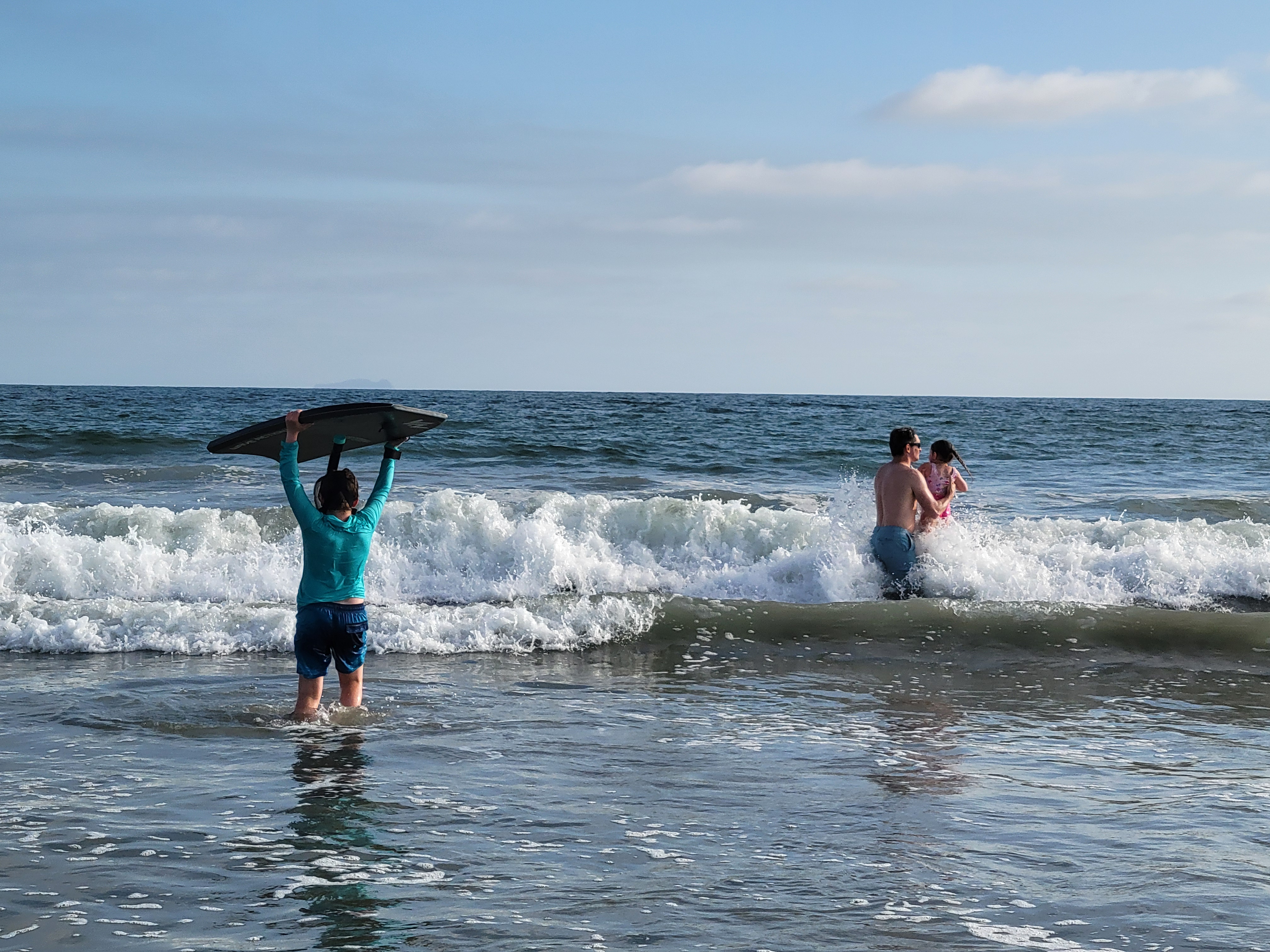
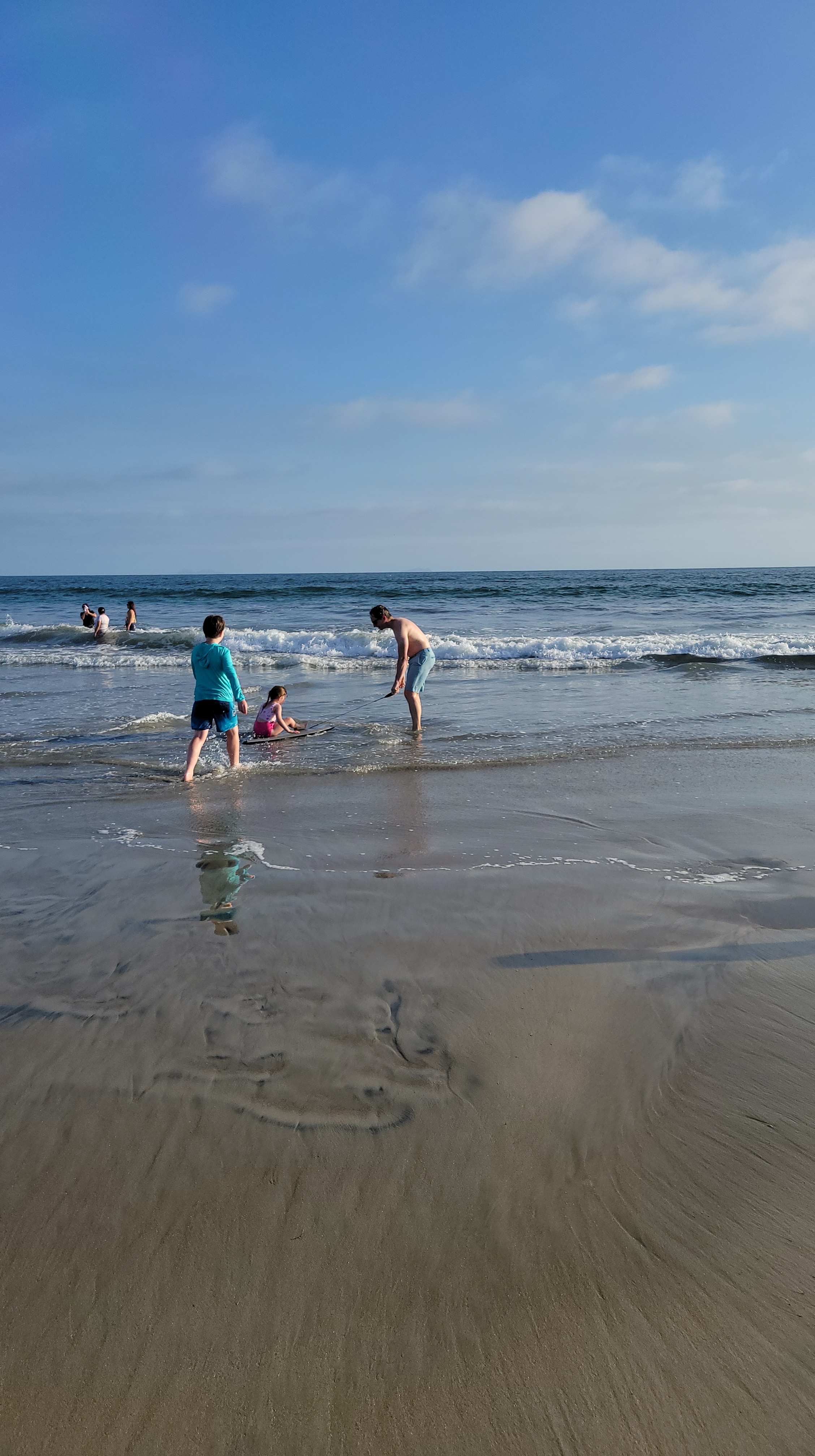
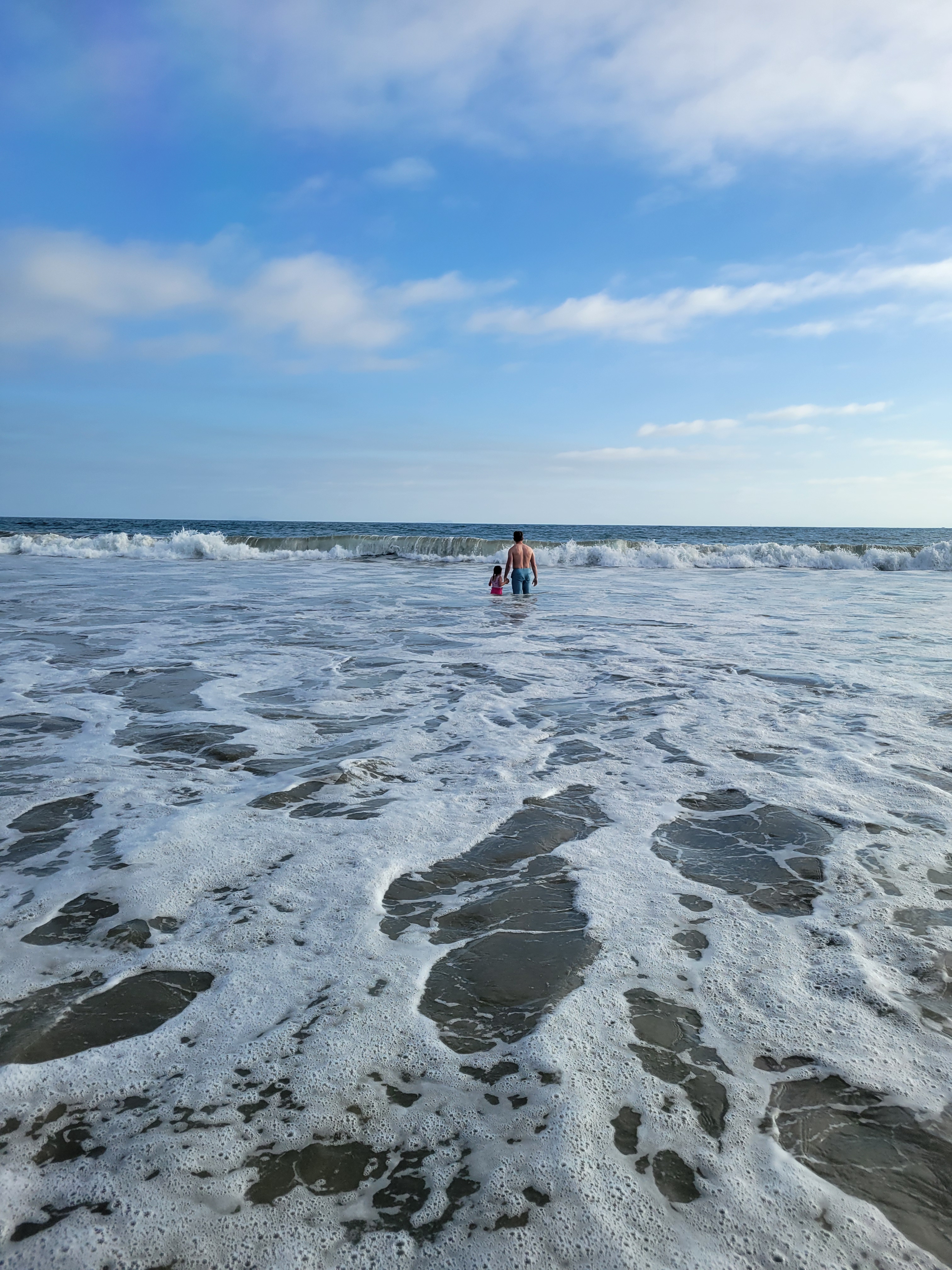
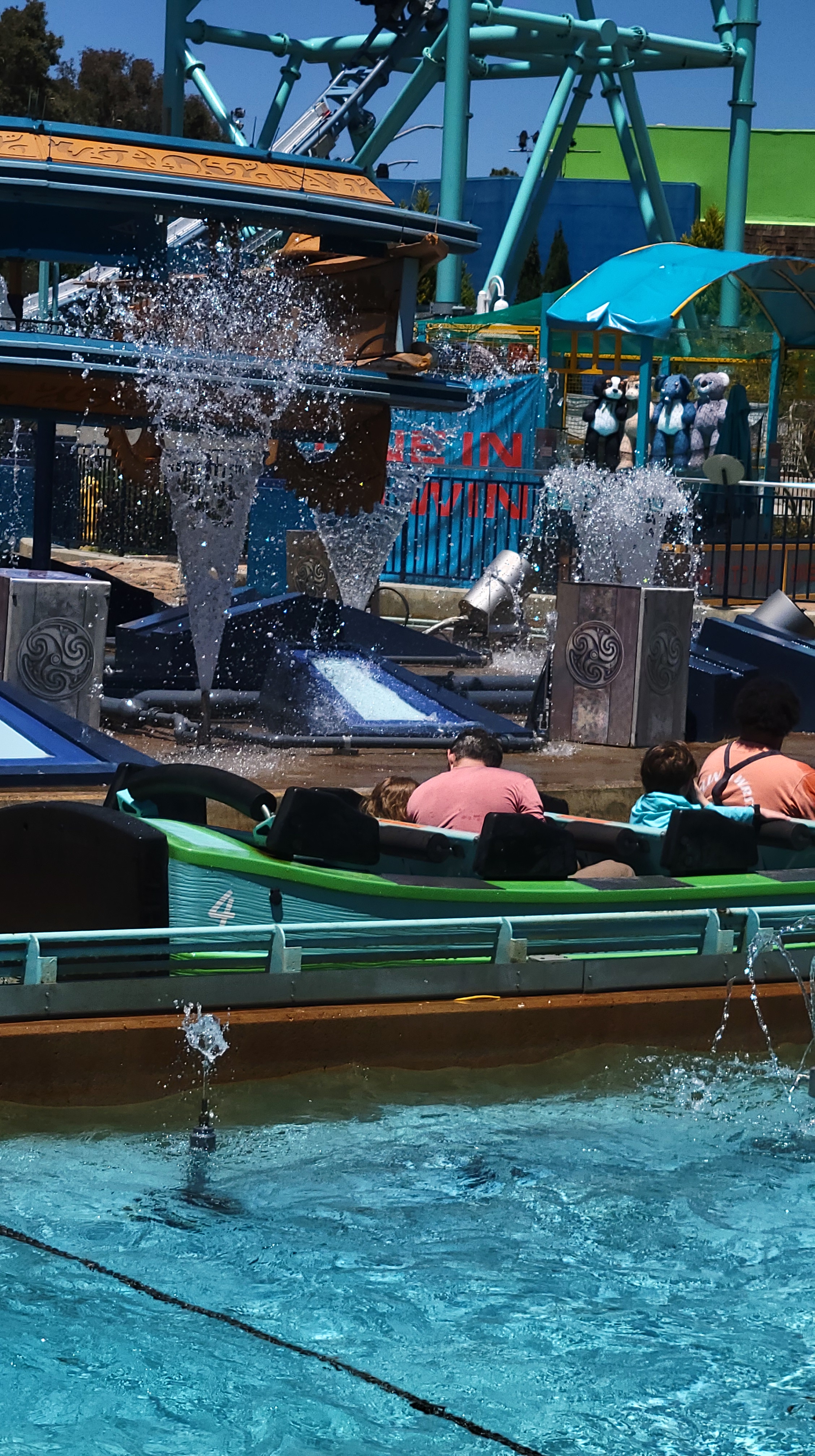
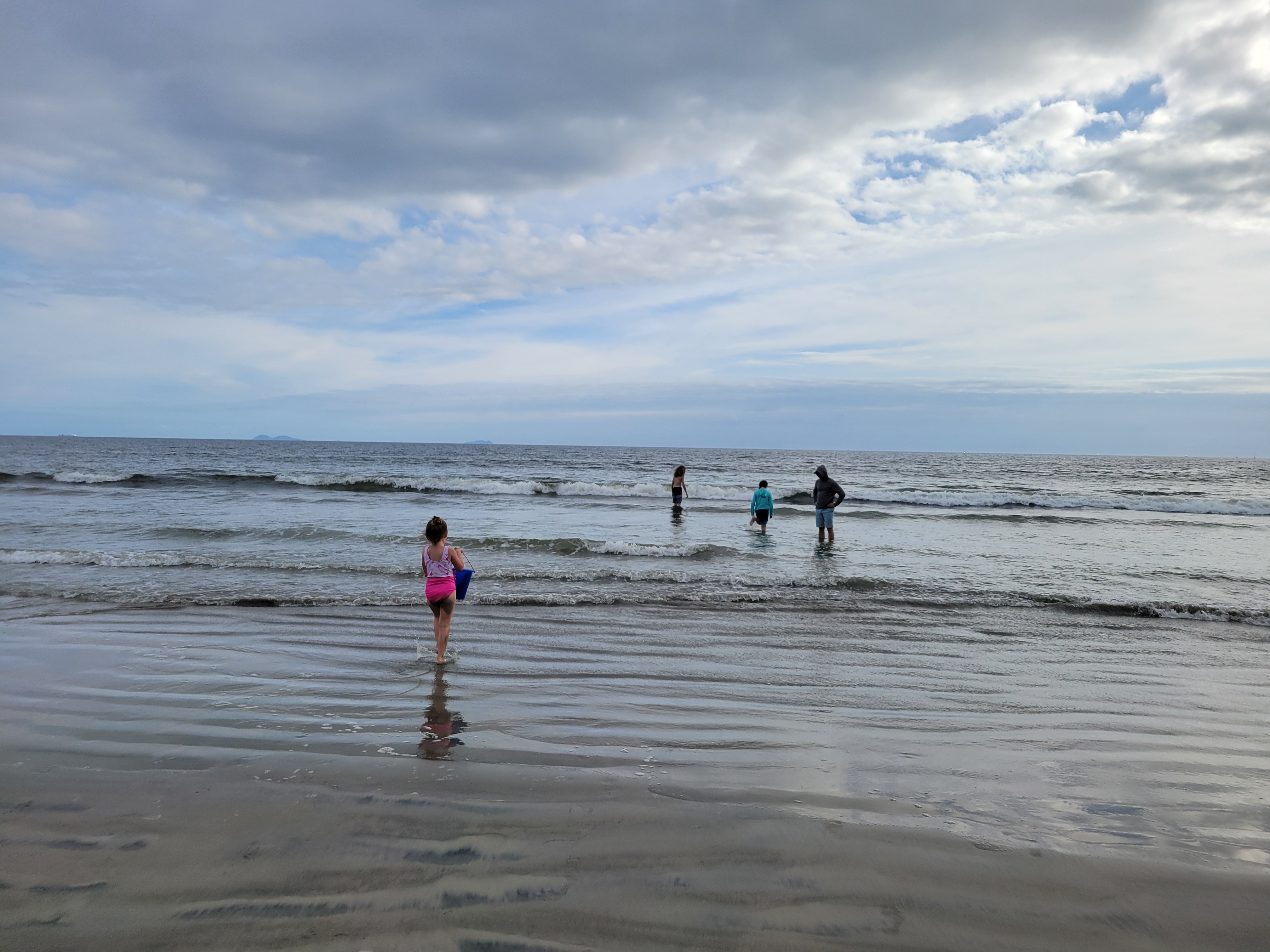
We arrived around midday and grabbed lunch before my husband took our youngest to the little beach near the ferry landing. She had a blast splashing in the water and playing in the sand. It was hard to convince her to leave, but eventually we headed back to the hotel to prepare for the “real” beach: Central Beach in front of the historic Hotel del Coronado.
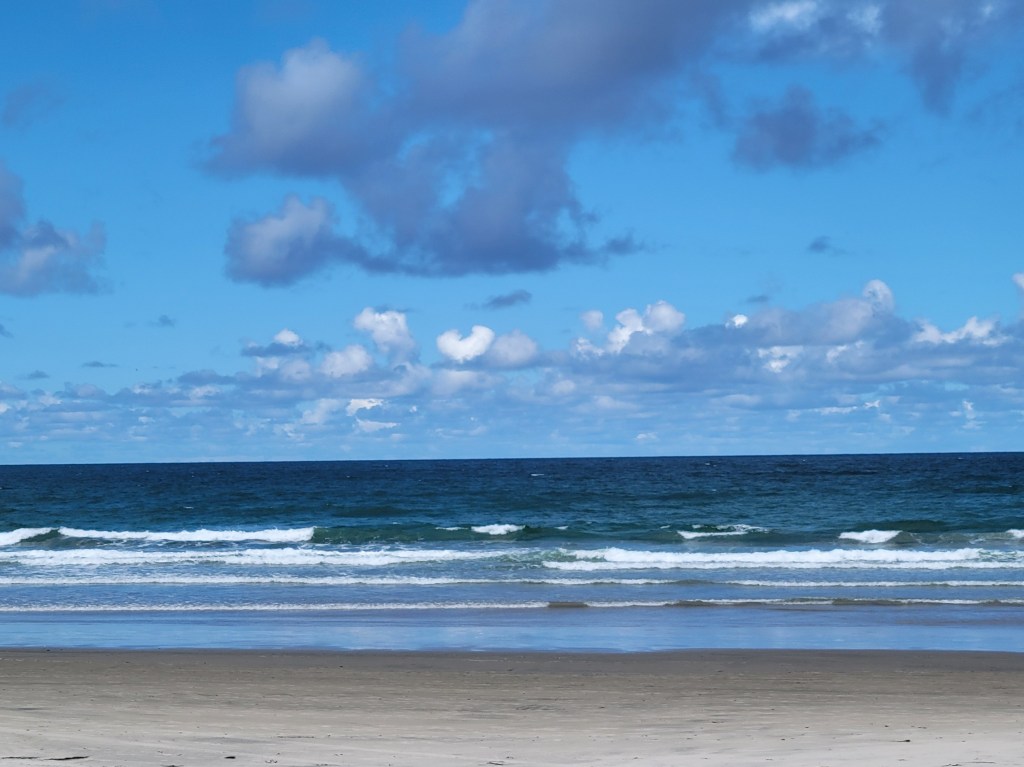
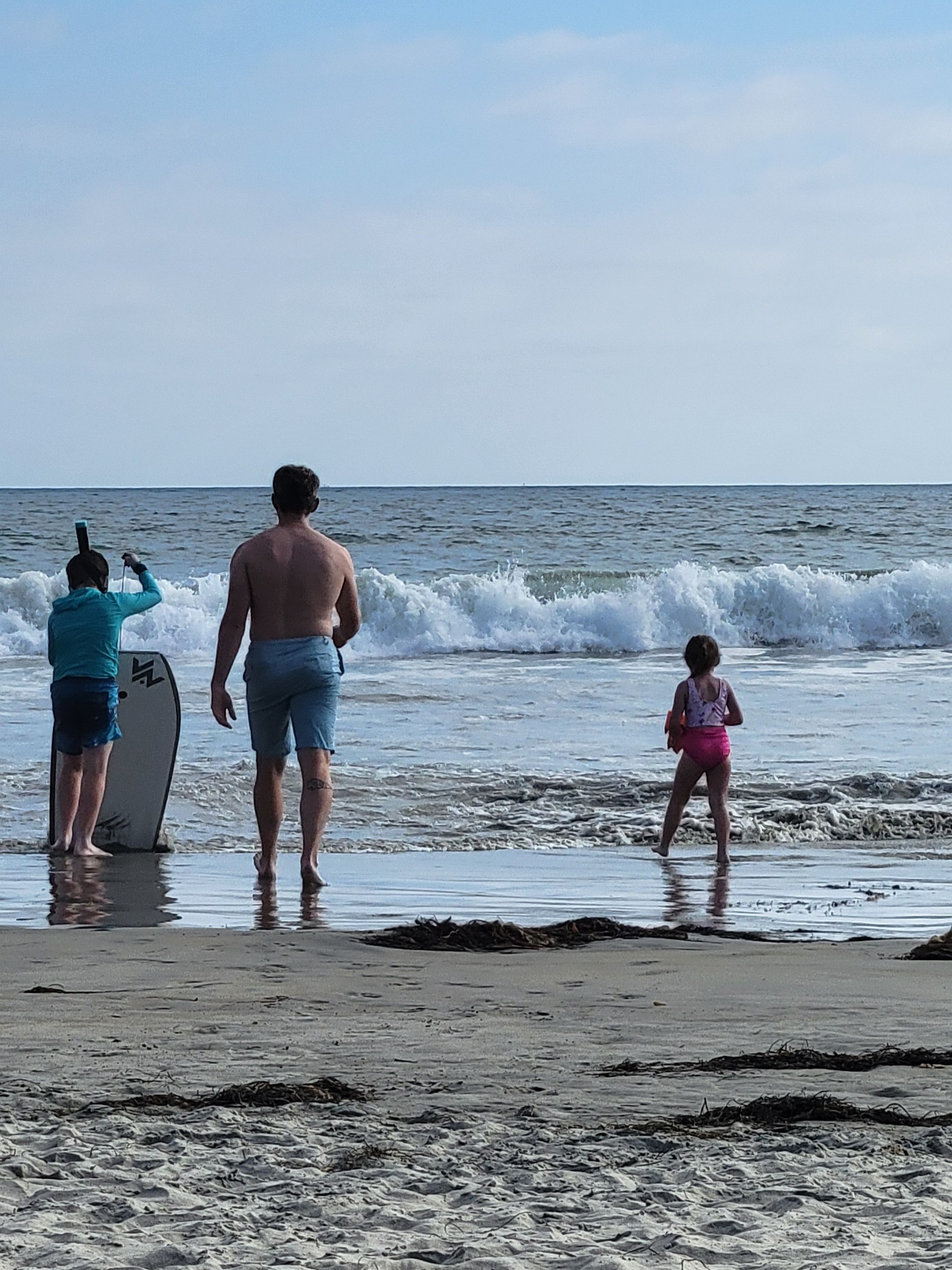
The moment our feet hit the warm sand, we all became giddy with excitement. Beach gear was dropped in a heap as some of us ran toward the water while others lingered on the shore.
Our youngest, however, had completely lost her mind.
She was trying to do all the beach things as fast as she possibly could, afraid she wouldn’t have time to do everything.
She raced to the ocean to feel the icy water over her feet.
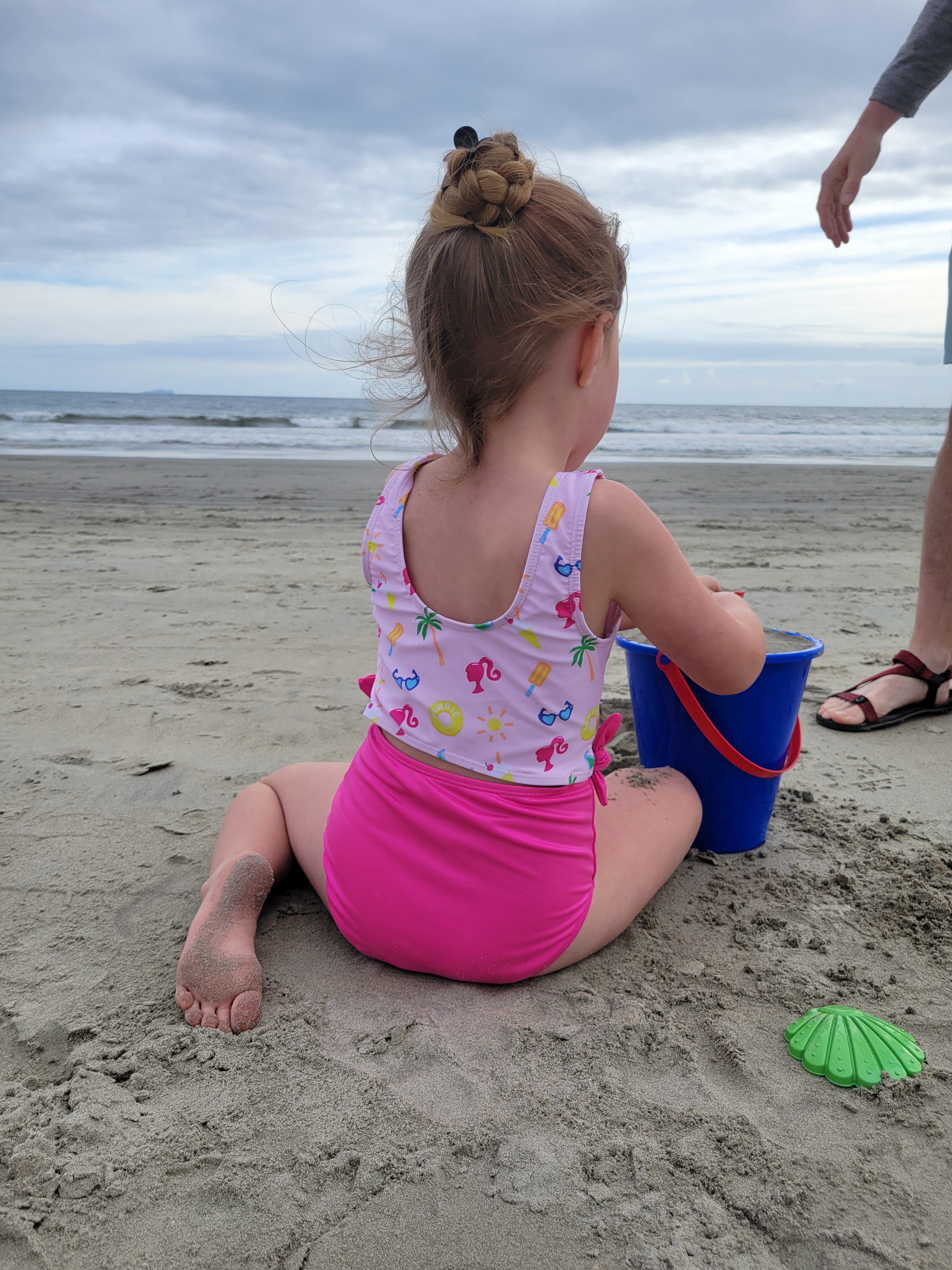
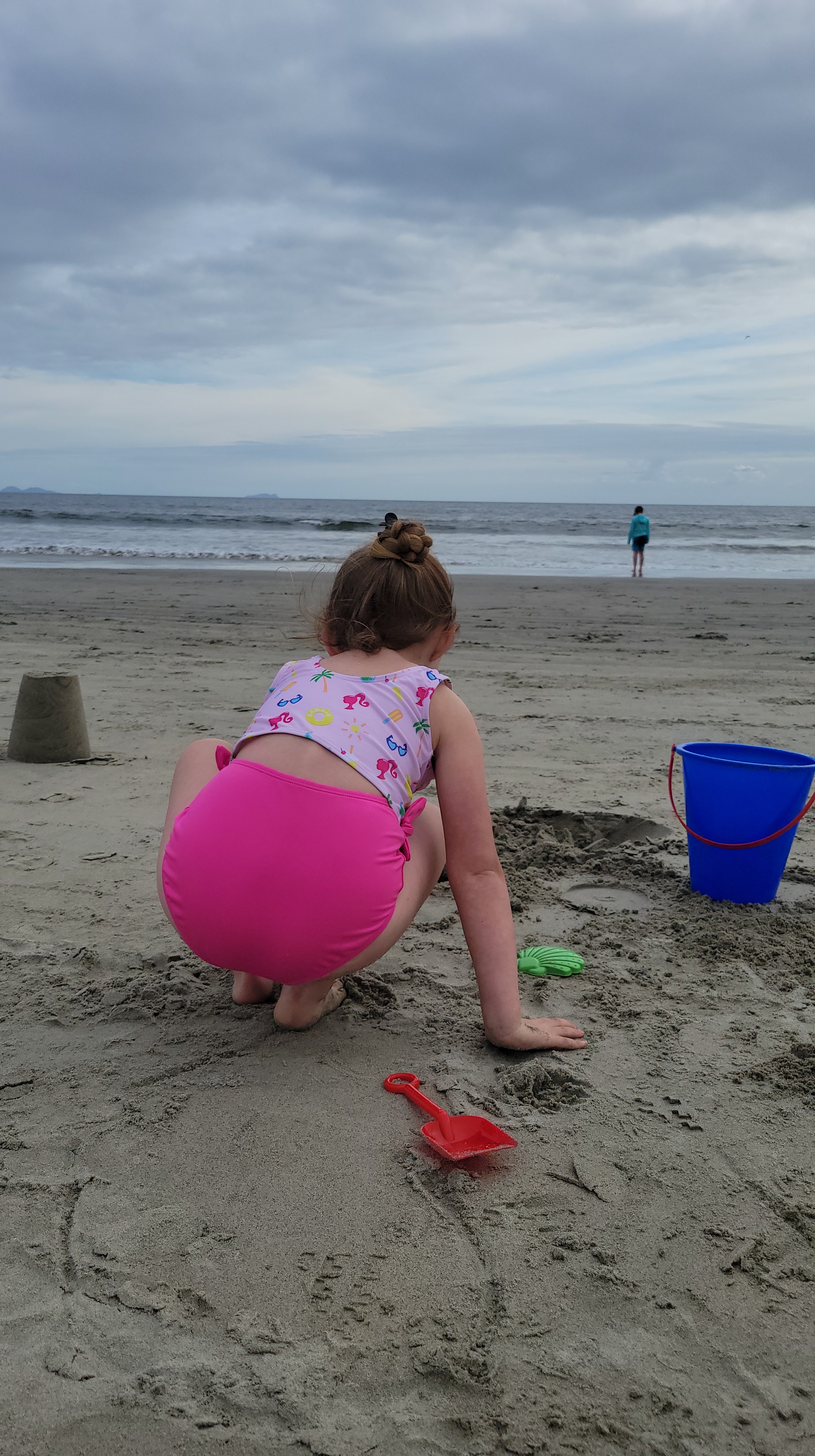
Then she sprinted back to fill her bucket with sand.
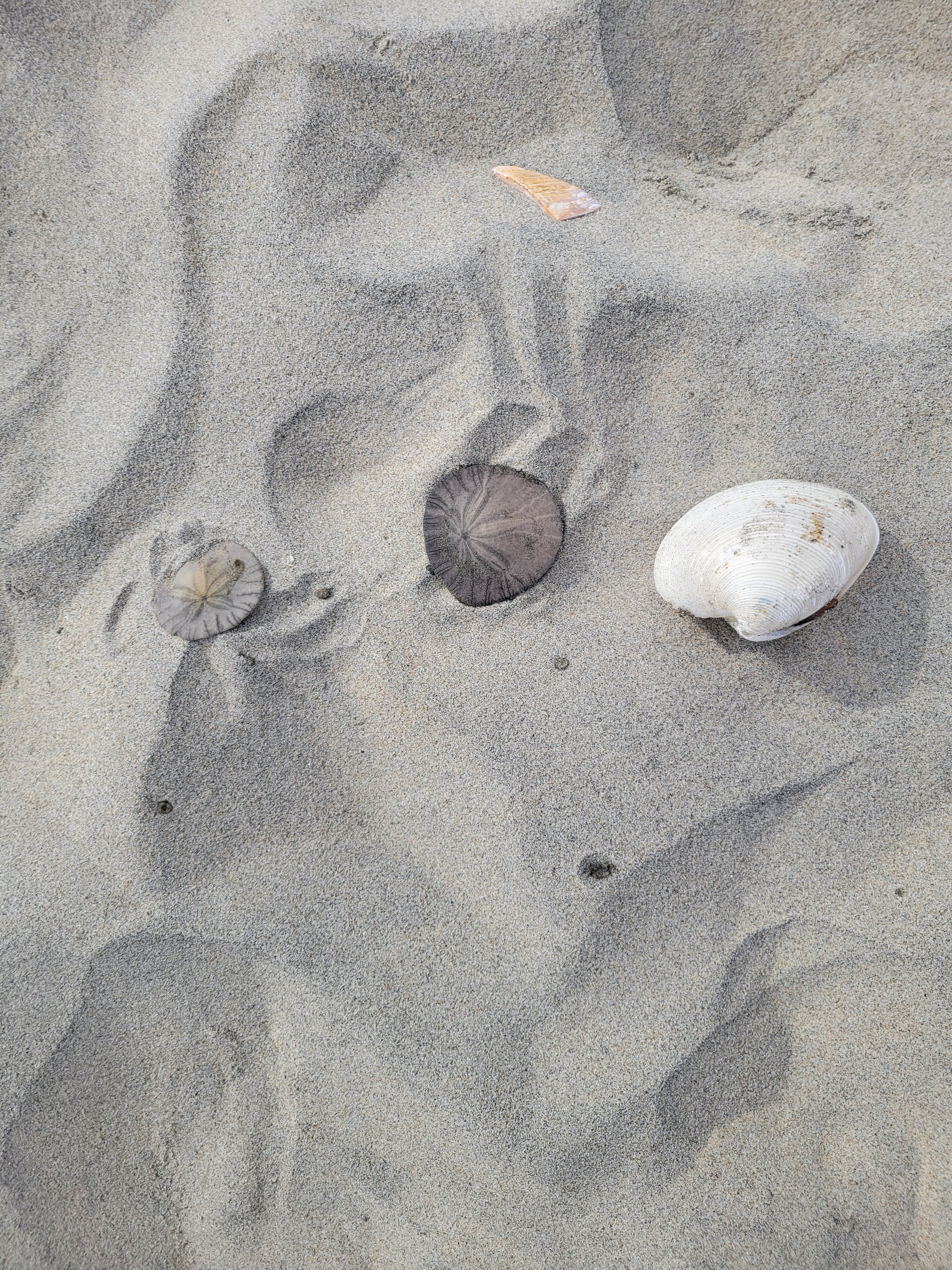
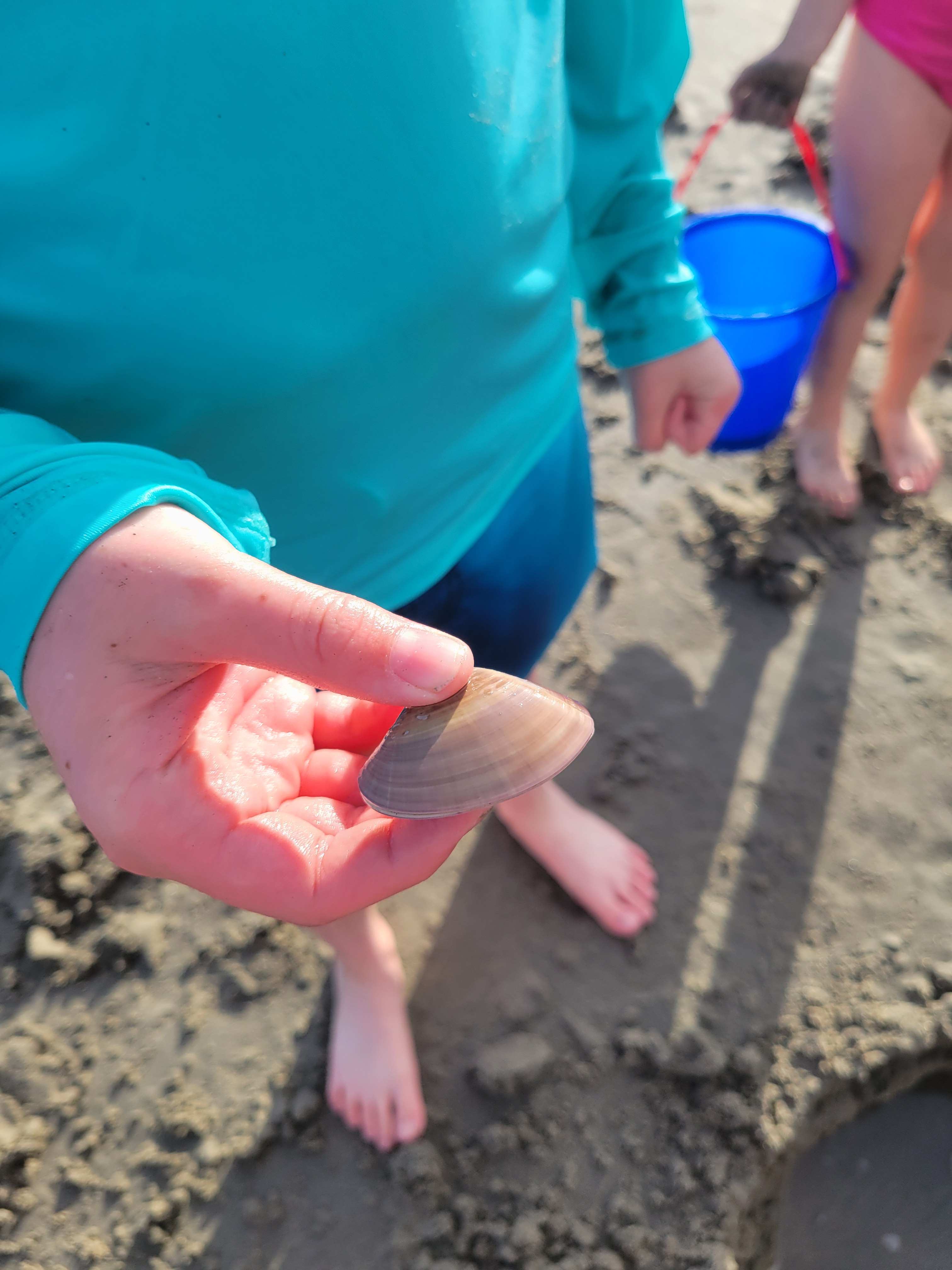
Then back to the shoreline to search for seashells.
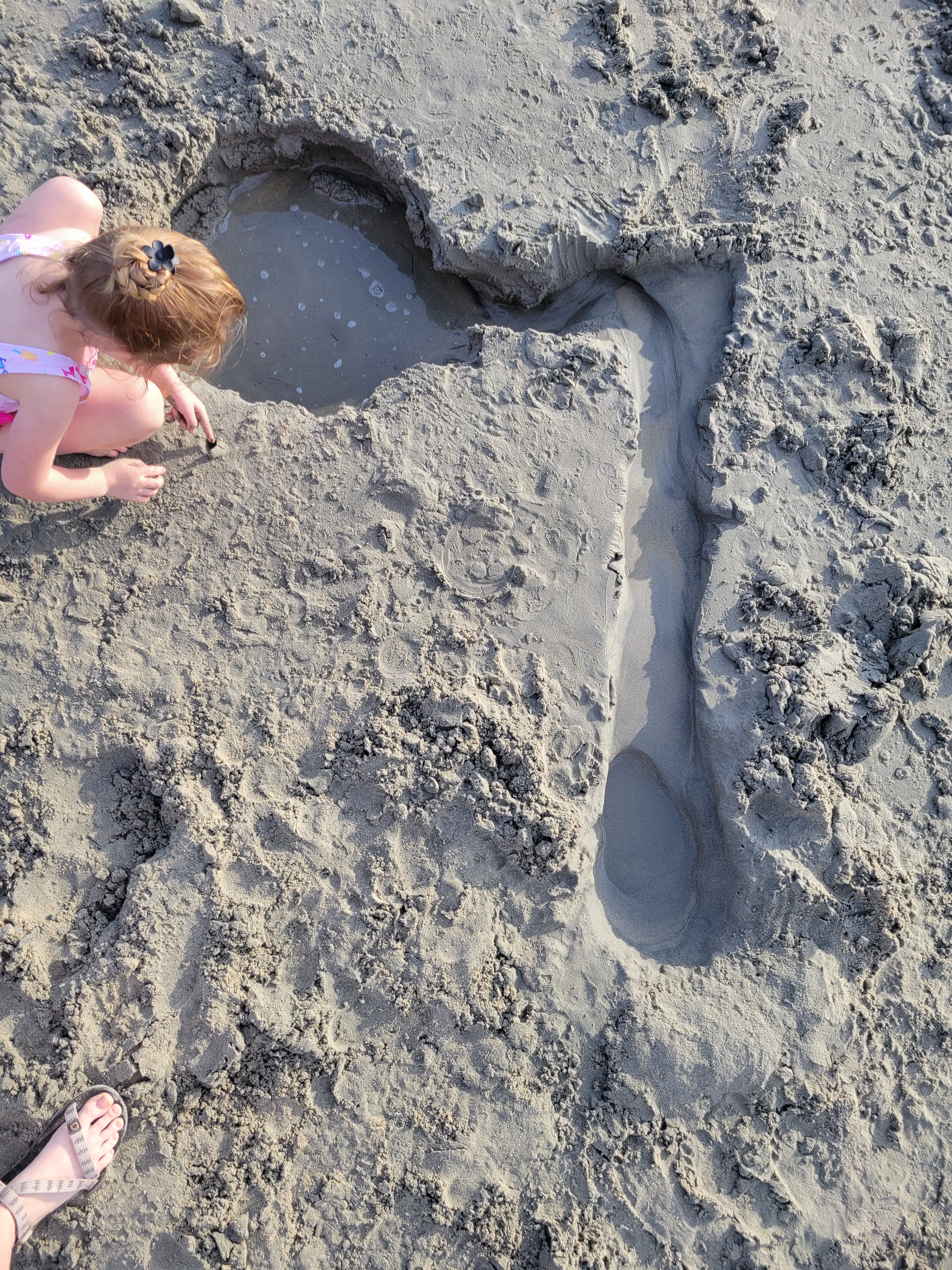
Then back again to work on sandcastles.
She was convinced she had to do it all—and she had to do it now.
Boy, do I relate to that.
How difficult it can be to fully plant your feet in this moment—right here, right now.
I once heard it said that Jesus never hurried.
How that challenges me.
To move steadily forward without hurrying draws on such a deep faith and abiding trust that God’s got this. That, in this moment, you are right where you belong. That there is time enough for all that God has ordained.
It requires a level of peace and confidence that, quite frankly, does not come naturally to me.
Perhaps that’s my favorite thing about San Diego.
When I’m there, I feel like I can finally do just that.
I can plant my feet in the sand and simply be.
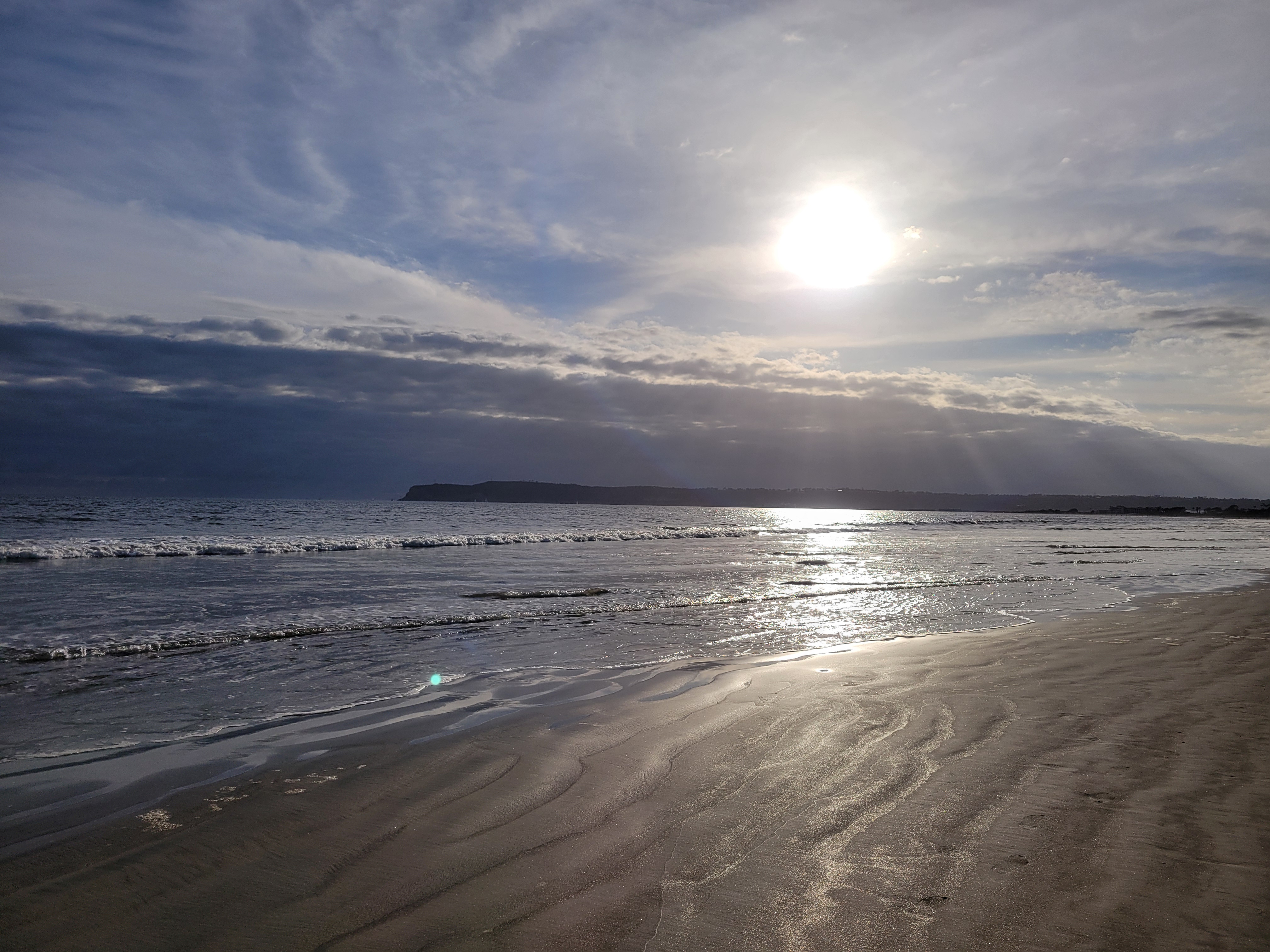
I am content to listen to the steady rhythm of the waves, to soak up the warm sunshine, and to feel the cool breeze sweep over me.
I can breathe deeply.
I feel no need to hurry.
For what?
To where?
We’re already here.
It’s a kind of restoration I can’t fully explain, but one I deeply need.
And remarkably, after a week or so—even if a good chunk of that time is spent researching properties and daydreaming about living there full-time—I’m ready to return home.
Because, at least for now, my life is elsewhere.
God has graciously gifted us these moments of refreshing by the ocean, but He has firmly planted us on our little landlocked acreage.
And for now, that’s exactly where we’re meant to be.
At the time we left for our roadtrip, we had six lessons remaining in our studies—Vikings and Transportation.
Normally, we would simply take a break from school while on vacation—obviously. But we had already taken…a lot…of time off from school this spring to tackle projects around the house, care for our spring babies, and travel. I found myself bumping up against a hard deadline. These unit studies needed to be completed within two weeks of our return because, right after Memorial Day, we would be starting two new units—with cousins joining us part time!
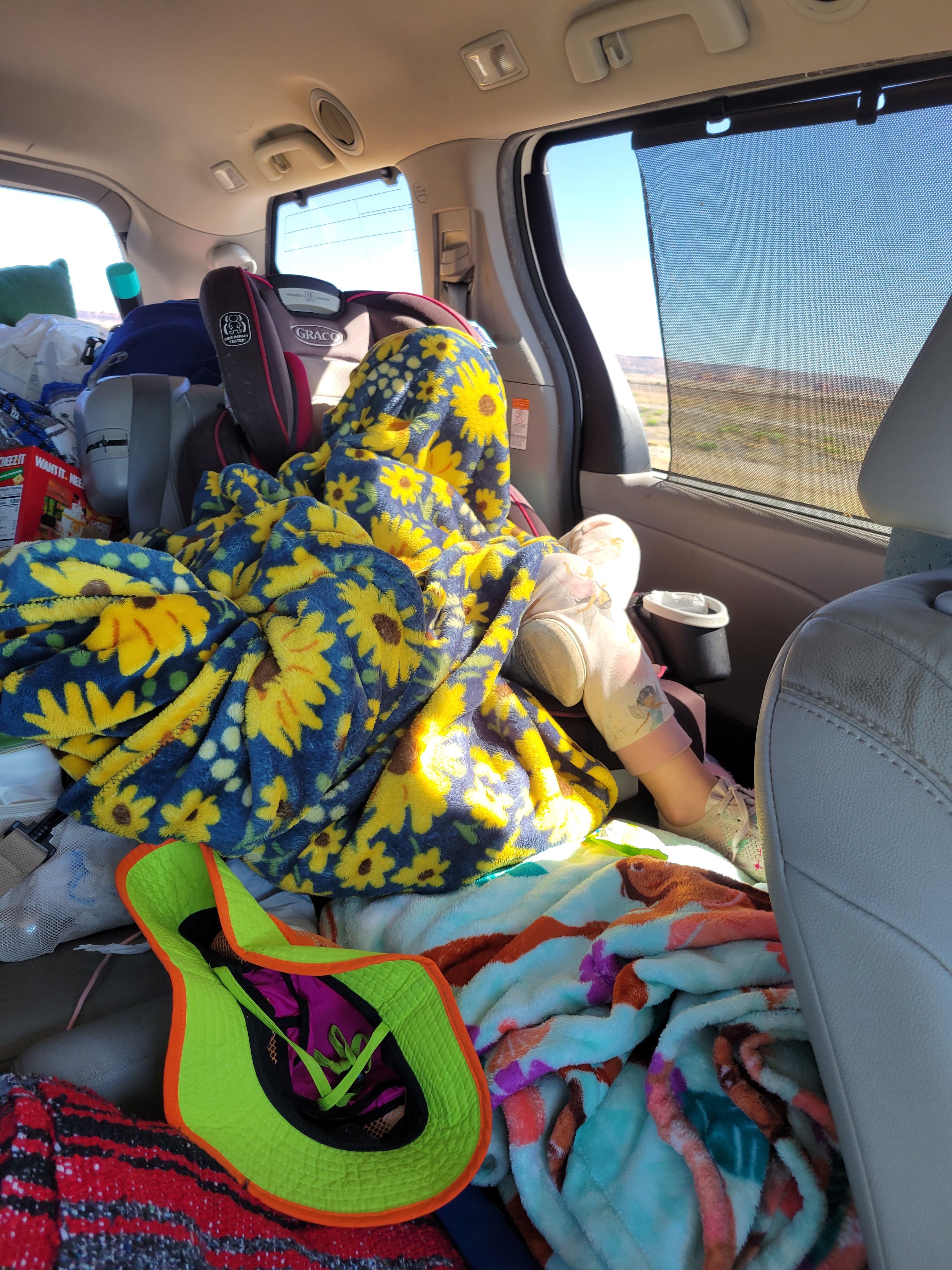
Since we would be spending so. much. time. in the car on our way to and from San Diego, I decided it might be the perfect opportunity to take school on the road with us.
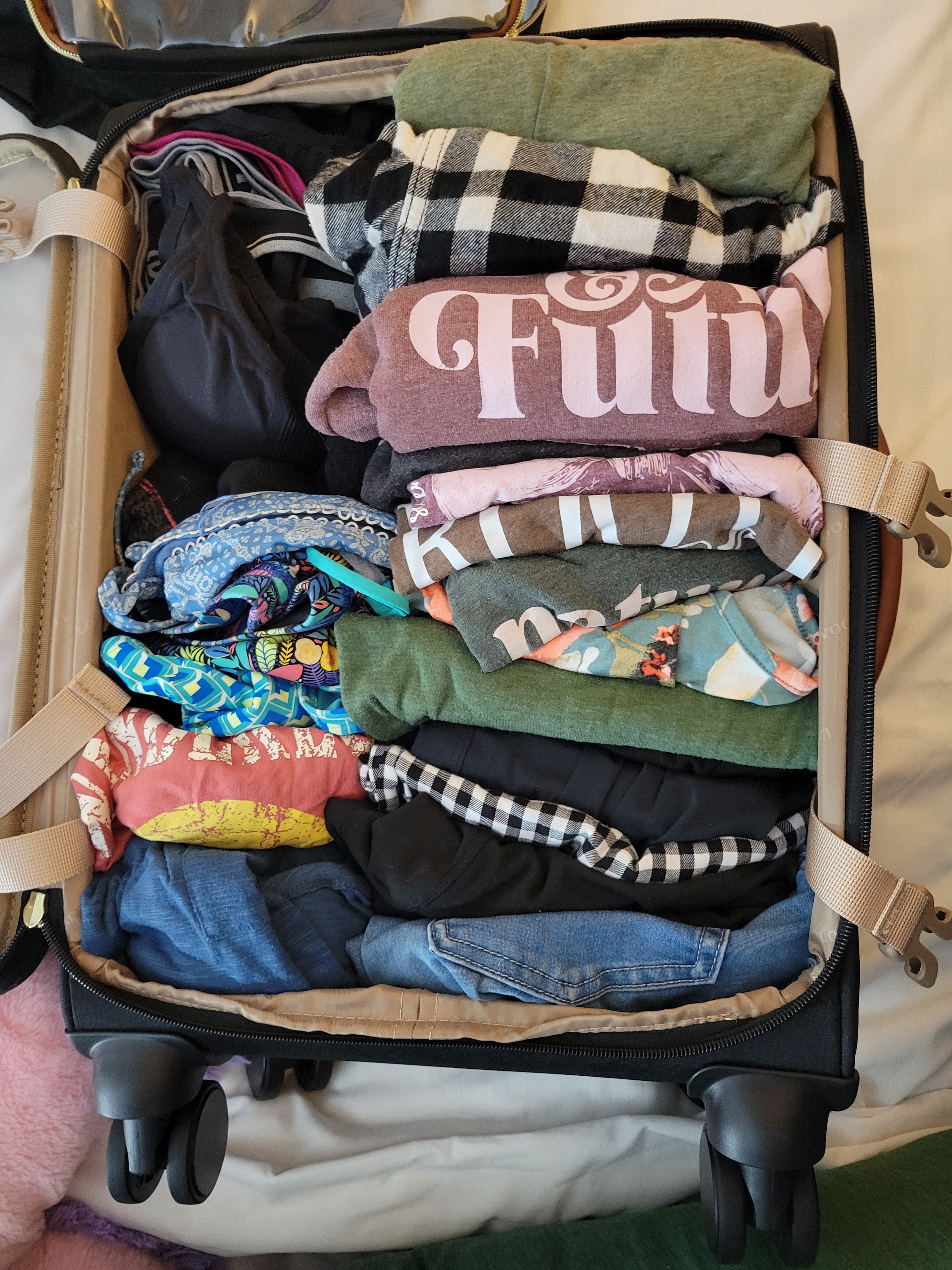
I knew I would be doing most of the driving, but I was confident our two oldest children could handle reading the lessons aloud while we discussed the topics together as a family. So, I packed a separate bag complete with our teacher’s guides, student notebooks, and writing utensils and loaded it into the van.
Because we planned to maximize our travel days and spend very little time in our hotel rooms, we established on simple expectation: school would happen in the van. That left our limited hotel time free for rest, relaxation, and recharging.
It had been quite awhile since my husband had been able to join us for school, and we thoroughly enjoyed learning together about the end of the Viking Age and various forms of water transportation.
Reading on the road wasn’t always easy. Bumpy stretches of highway made it difficult to keep track of which line we were on, but taking turns reading aloud helped tremendously.
The student notebooks, however, were pretty much a no-go.
As it turns out, writing in a moving vehicle is an exercise in frustration and futility.
Instead, we read the questions aloud and researched and discussed the answers together. While I’m sure we all would have preferred to abandon school altogether, it ended up being quality time well spent—and it kept us on track.
In fact, we completed our final lessons on the drive home.
And that’s all we learned on our roadtrip out west.
Just kidding.
As much as I love our curriculum (shoutout to Gather ‘Round), it would be pretty sad if the only knowledge we gained on this trip came from ink on paper.
We learned Physical Geography.
We learned Coastal Ecology.
We learned Zoology.
We learned Botany.
We learned Marine Biology.
We learned History.
We learned Connection.
We learned Flexibility.
We learned Restoration.
We learned Wonder.
Taking our curriculum on the road with us was truly enjoyable, but Roadschooling is about so much more than filling our heads with knowledge.
It’s about filling our hearts with wonder and our minds with memories.
And while Roadschooling isn’t a full-time lifestyle for us—at least in this season of life—we’ll gladly take every opportunity we’re given to venture out and explore God’s vast creation—together.
This time we were headed west to San Diego, California.
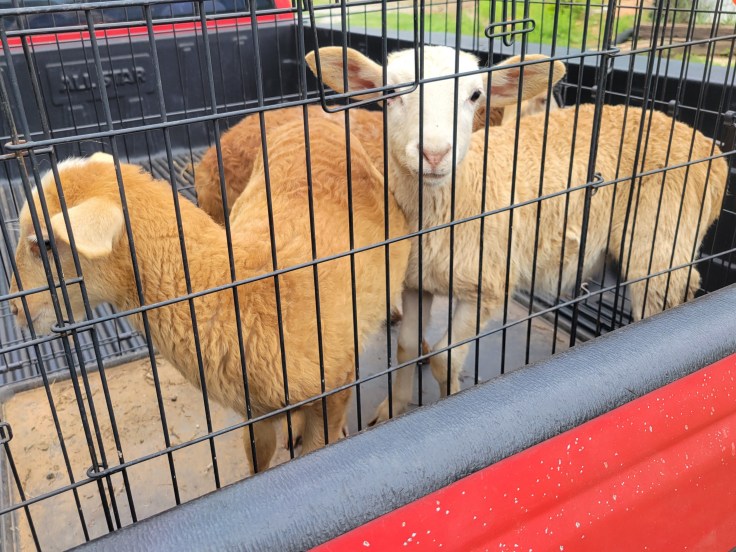
Once again, the lambs traveled to our friends’ acreage and another friend cared for our birds—but this time, thankfully, without any key mishaps.
We planned to take four days on the journey west so we could make a detour to visit the Grand Canyon.
On the first day, we put as many miles between us and home as possible, and making it all the way to Albuquerque, New Mexico.
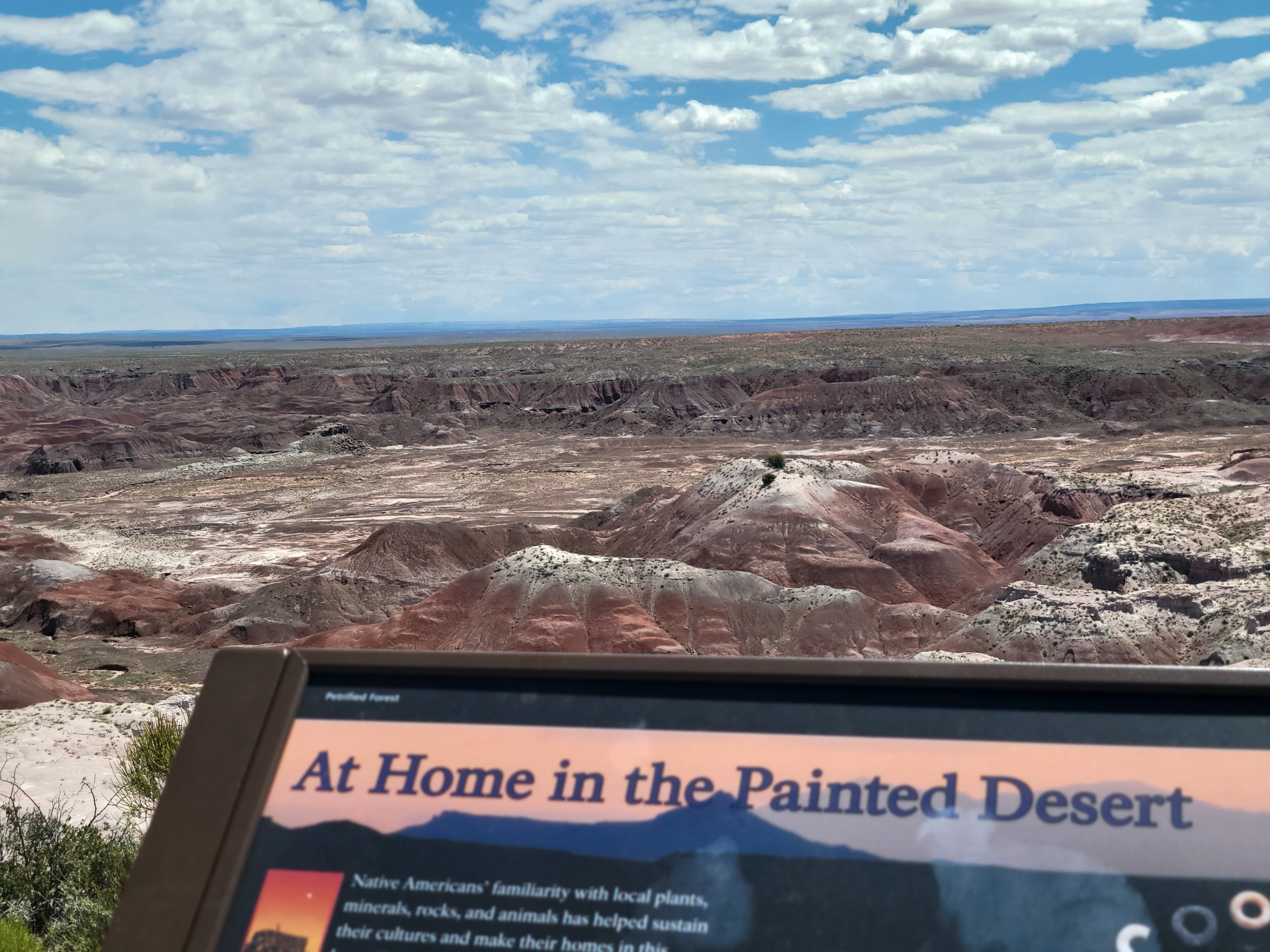
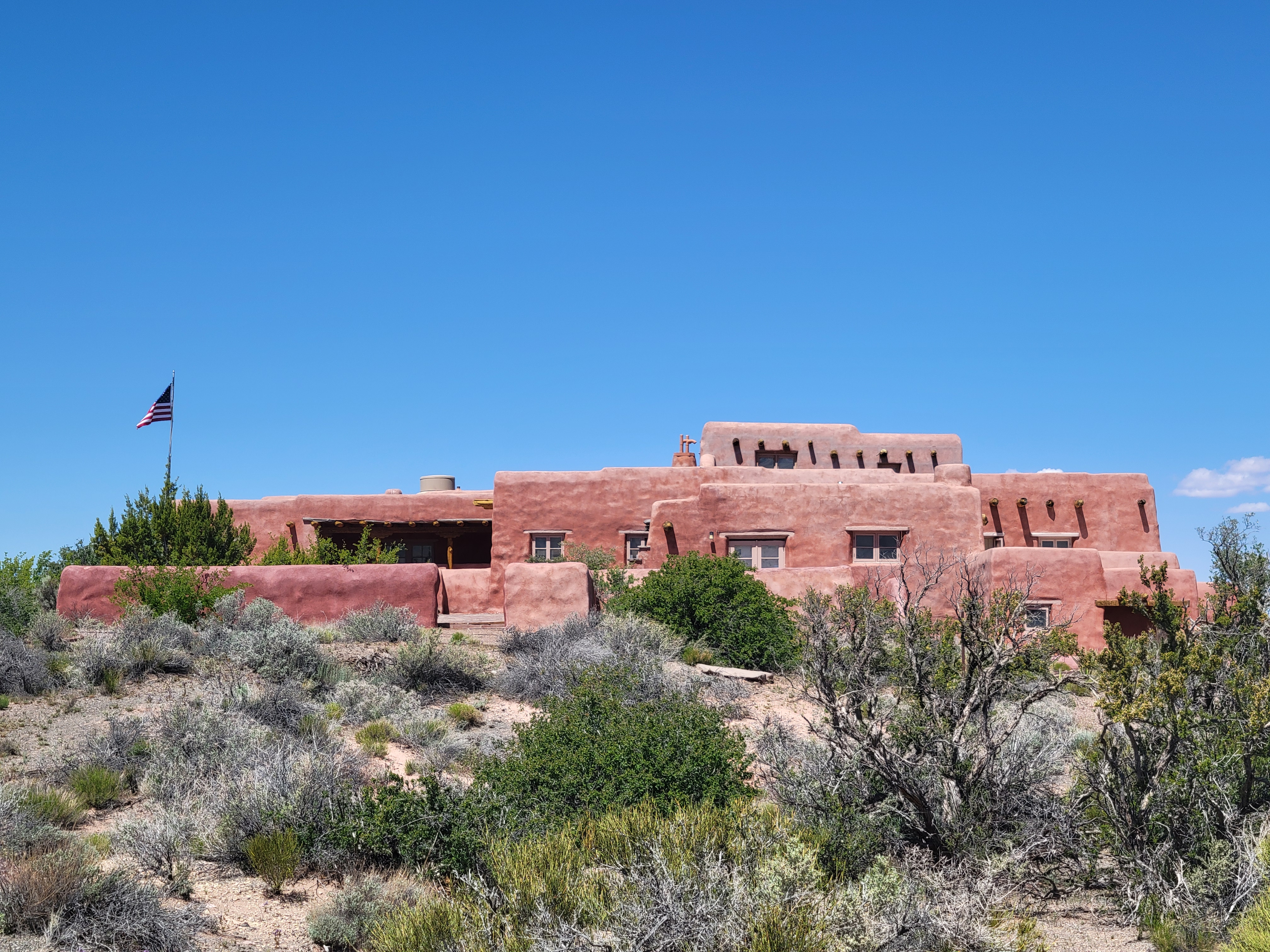
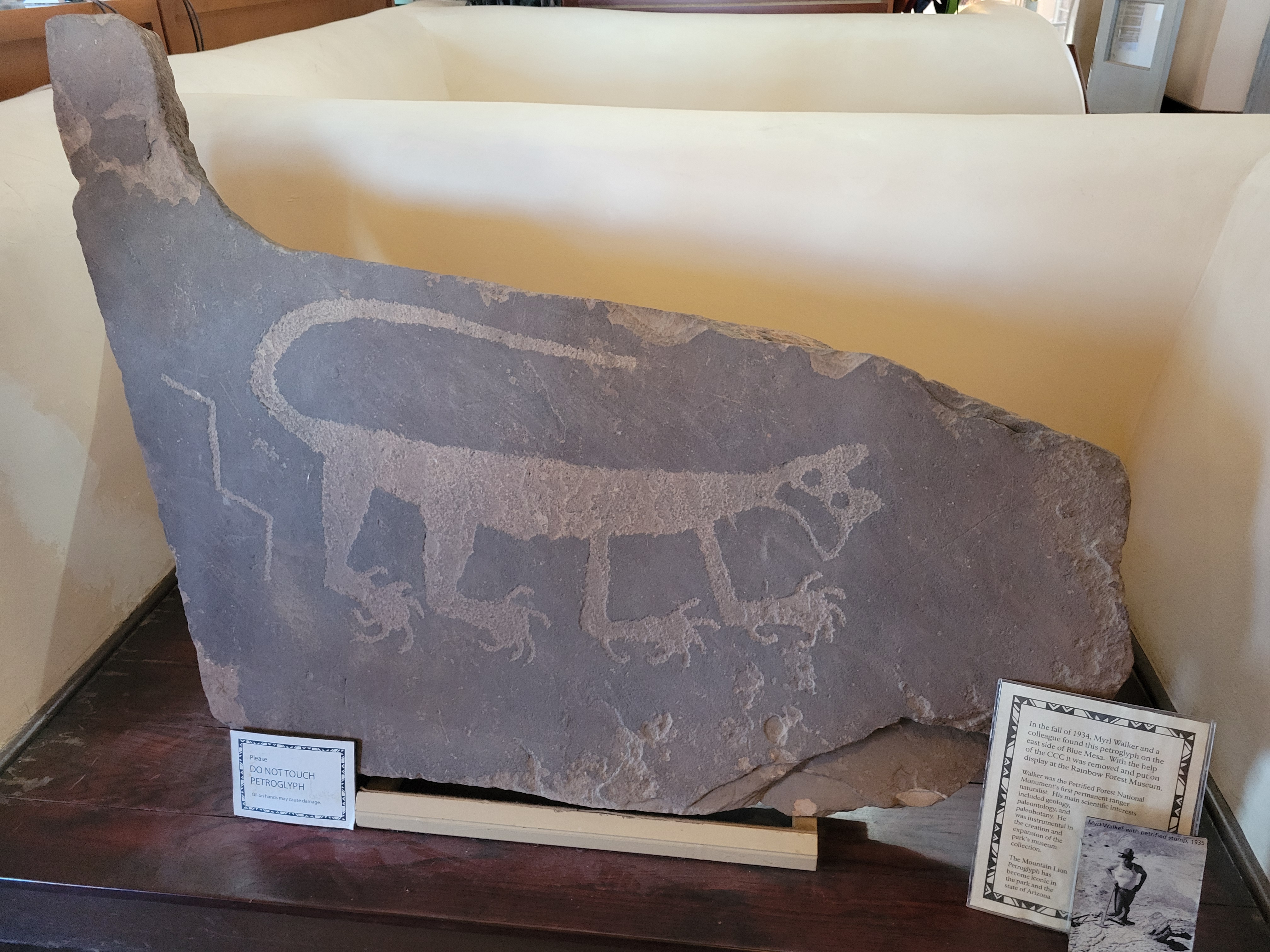
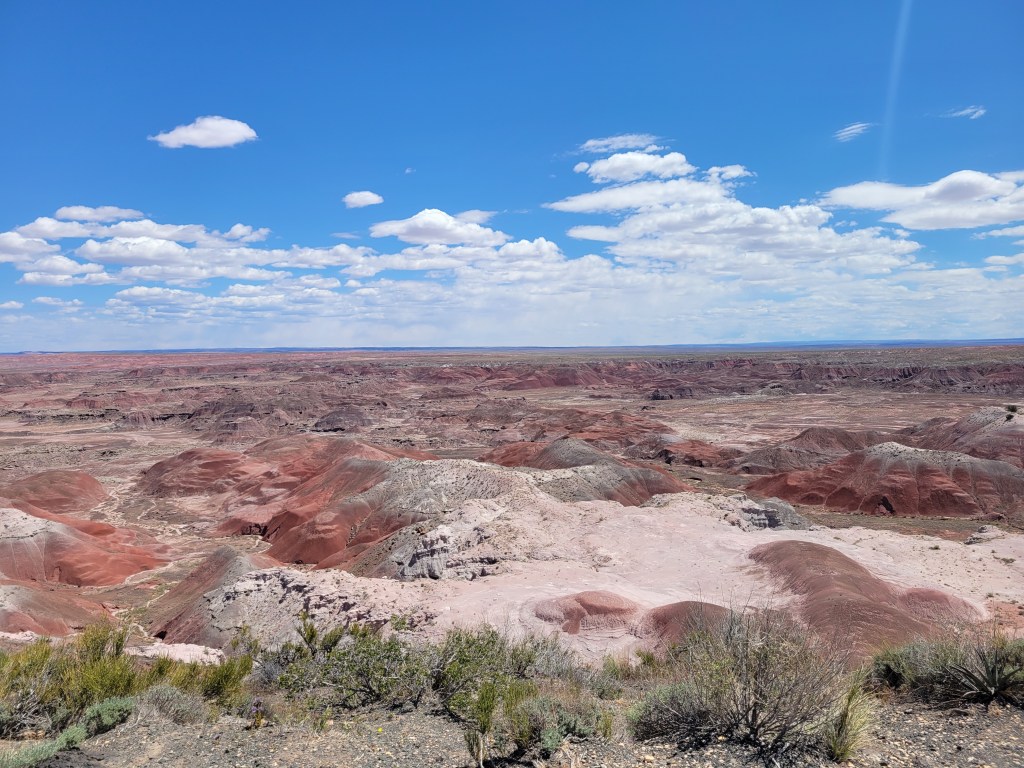
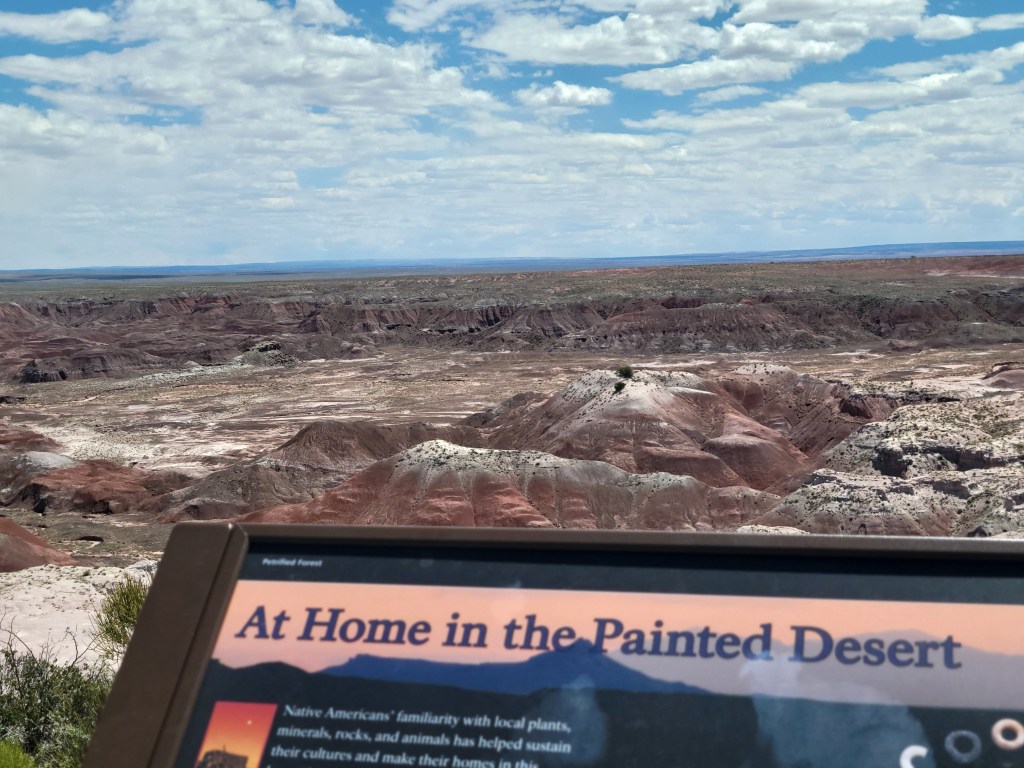
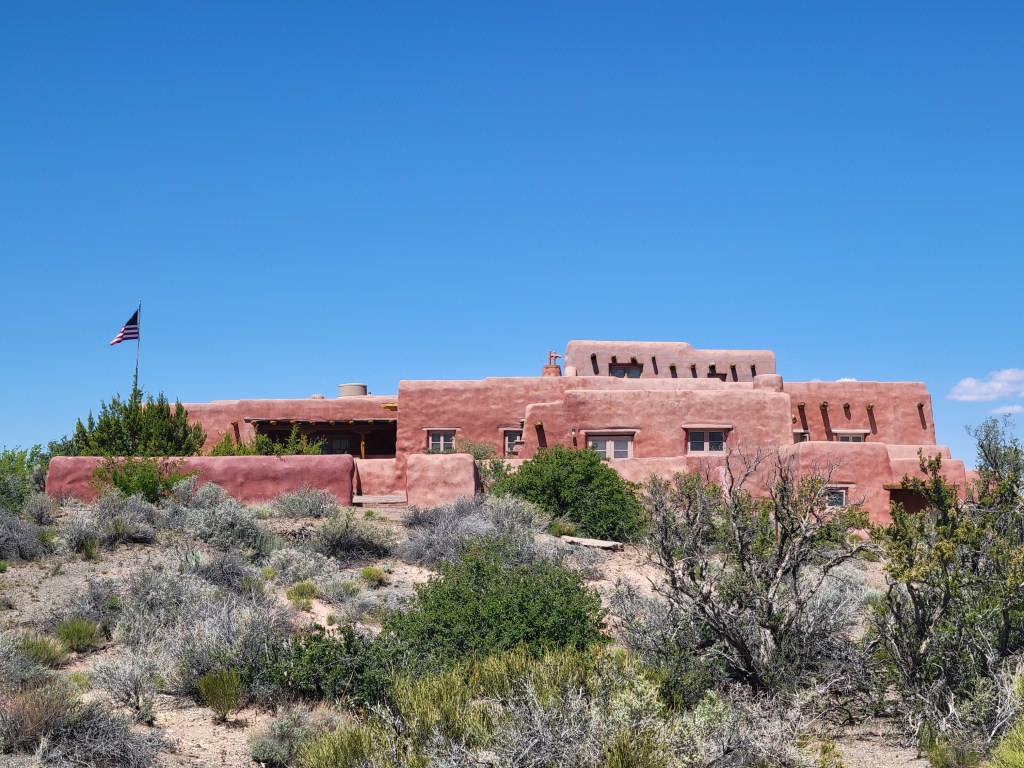
The next day we stopped at Petrified Forest National Park in Arizona. After stretching our legs at the visitor center, we headed out to take in the views of the Painted Desert.
As I walked toward the trail overlooking badlands and gazed across the vast desert before me, I suddenly found myself disoriented and shaky.
I couldn’t help but laugh.
Here we were, planning to visit the boundless vista of the Grand Canyon the next day, and I couldn’t even look across the Painted Desert without battling intense vertigo.
Thankfully, I discovered that if I watched the ground in front of my feet while walking, then stopped before looking out across the landscape, I fared much better. Even so, after snapping a few pictures, I was done. We still had three hours of driving ahead of us to reach Tusayan, Arizona, and I couldn’t afford to risk motion sickness.
After my experience at the Painted Desert, I found myself unexpectedly nervous about seeing the Grand Canyon.
First, I wanted to actually be able to enjoy it with my family—without getting sick.
So I did what I could.
I prayed and prepared.
I asked God to allow me to enjoy His creation and to grant me wisdom managing the vertigo. I researched tips and tricks for preventing symptoms. Then, honestly, I accepted whatever the outcome might be, knowing that ultimately I had no control over it.
But there was another reason I was nervous.
What if I didn’t find the Grand Canyon all that grand?
I’d seen pictures. I’d watched videos. I’d even seen it from the window of an airplane.
Would seeing it in person be incredible?
Or…meh?
As it turns out, staying just outside Grand Canyon Village was absolutely the right call. We were able to sleep in a bit, avoid the sunrise crowds, and still arrive before the late-morning rush.
Perfect timing.
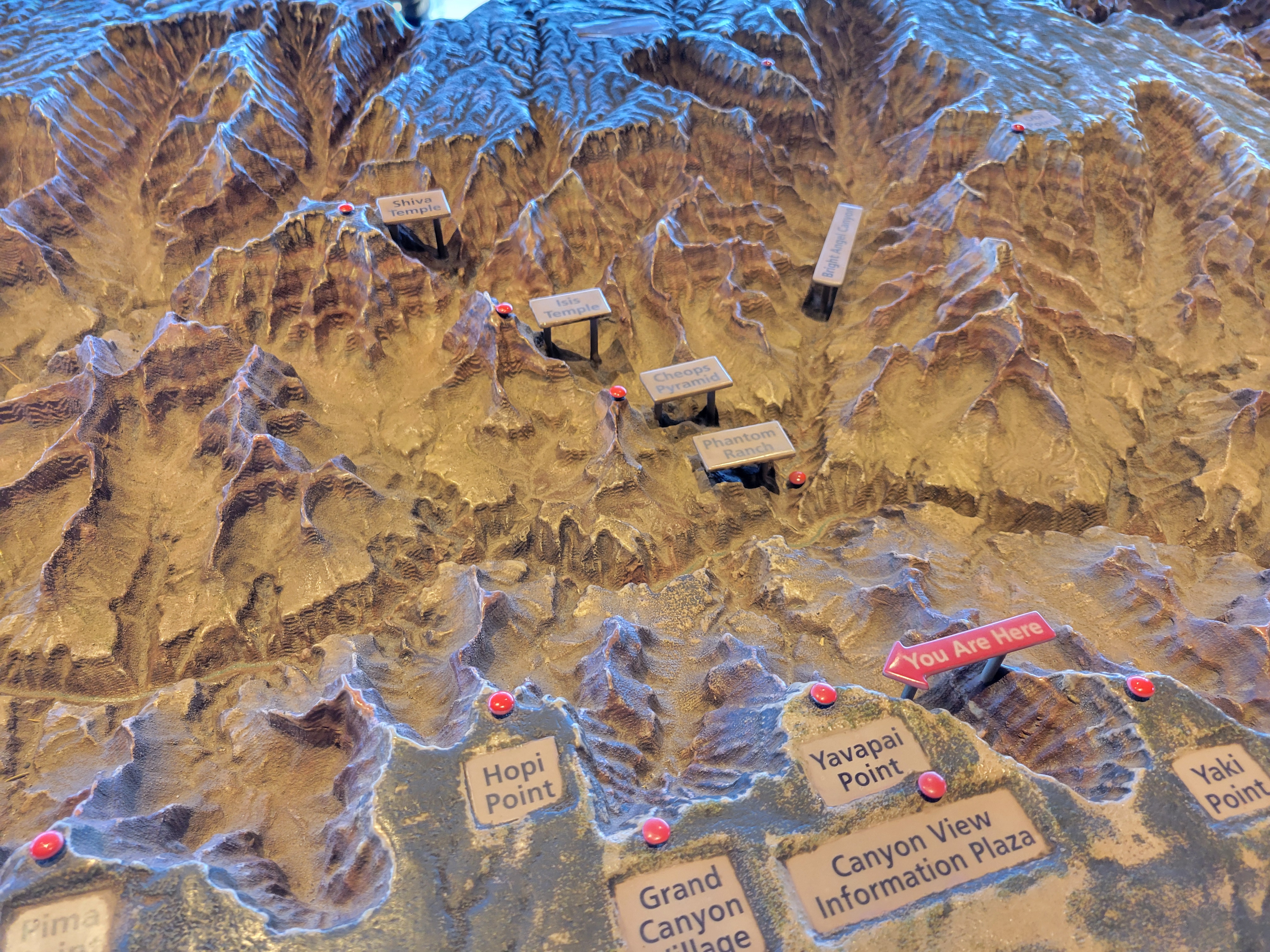
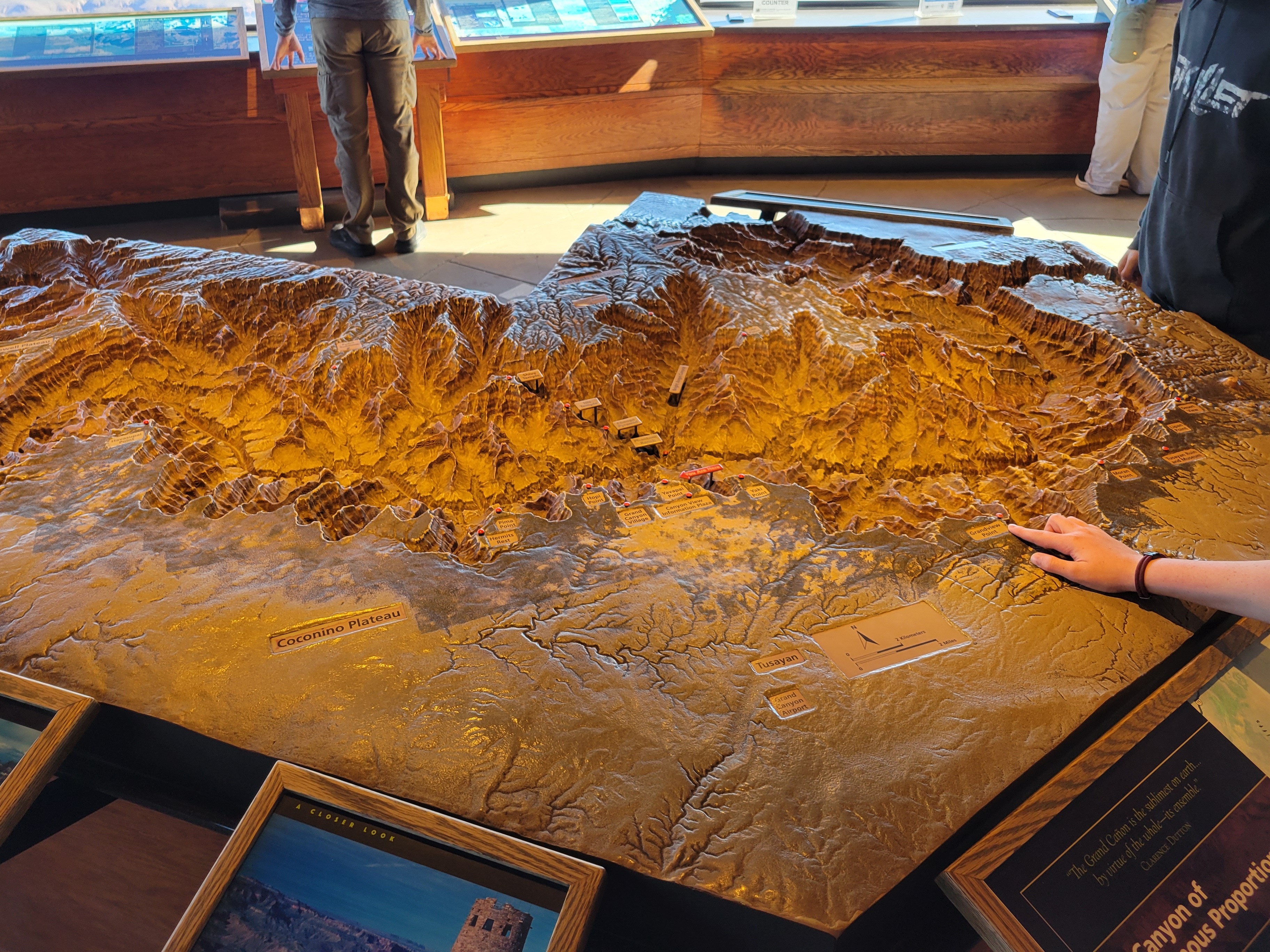
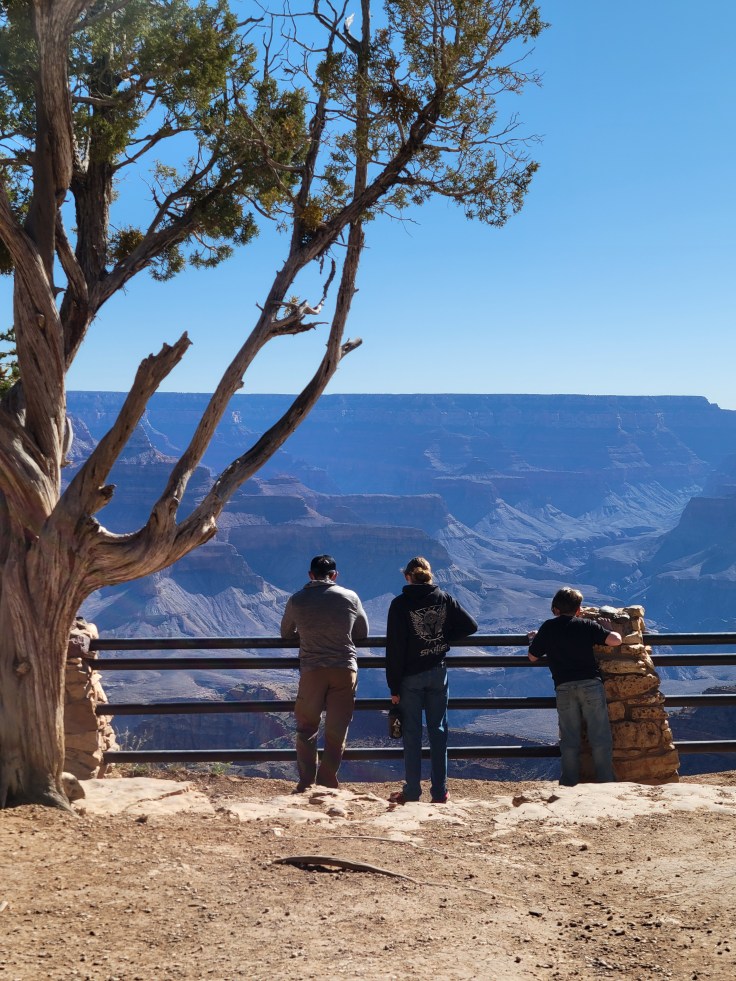
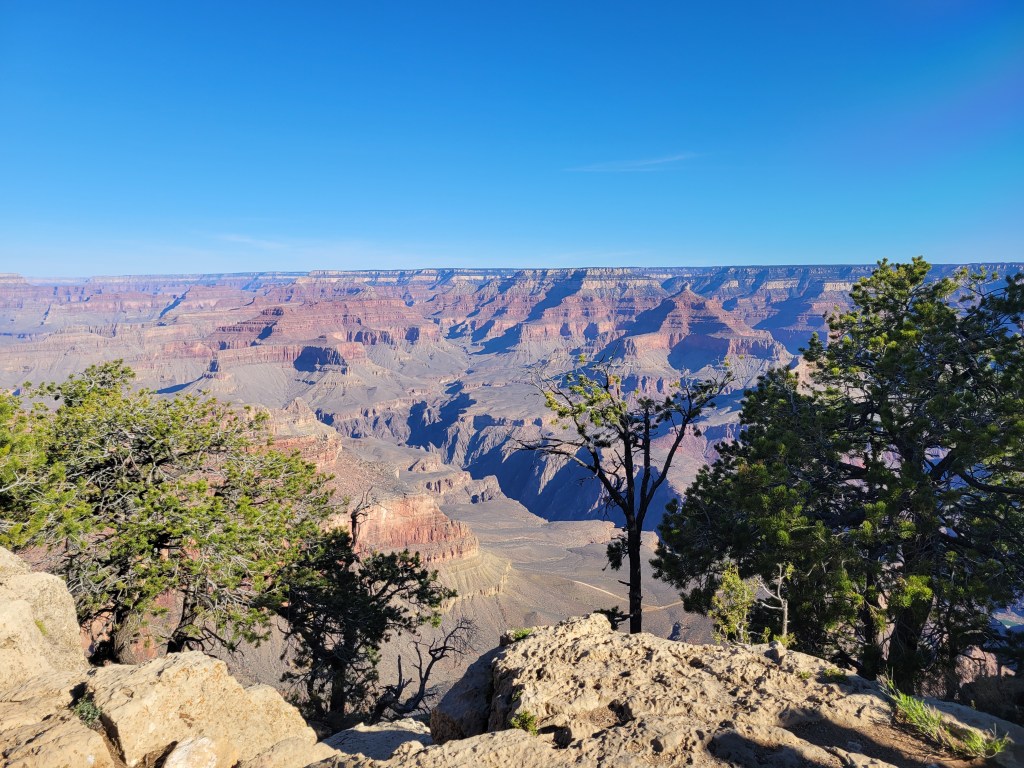
We parked at Yavapai Point and headed toward the South Rim.
I took it slow, keeping my eyes on the path in front of me and resisting the urge to look up while the rest of my family reacted to the view.
Finally, I stopped.
I looked up.
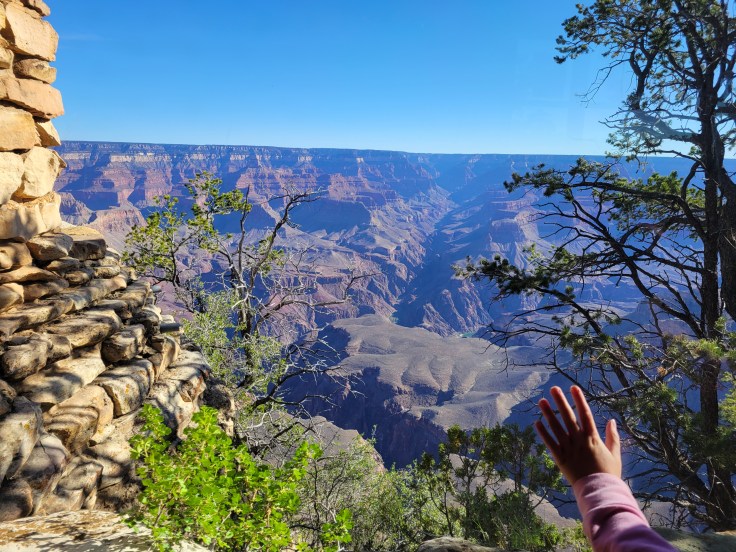
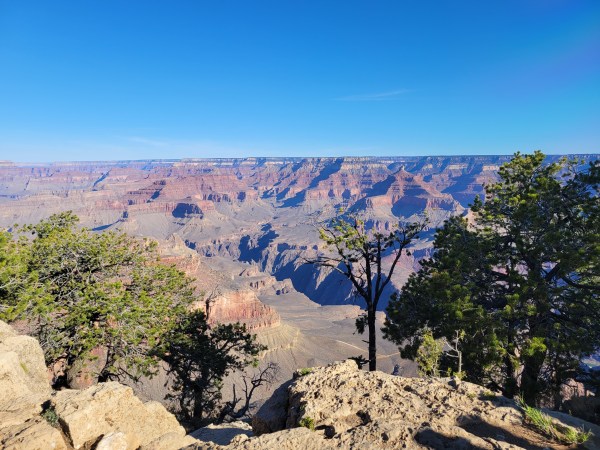
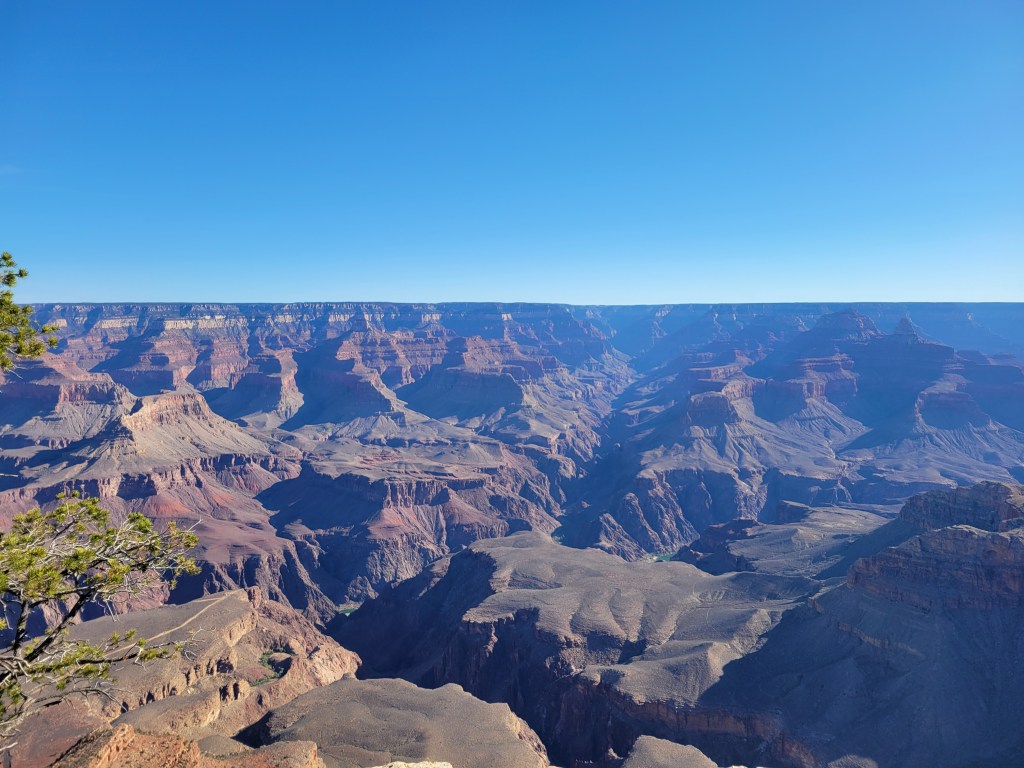
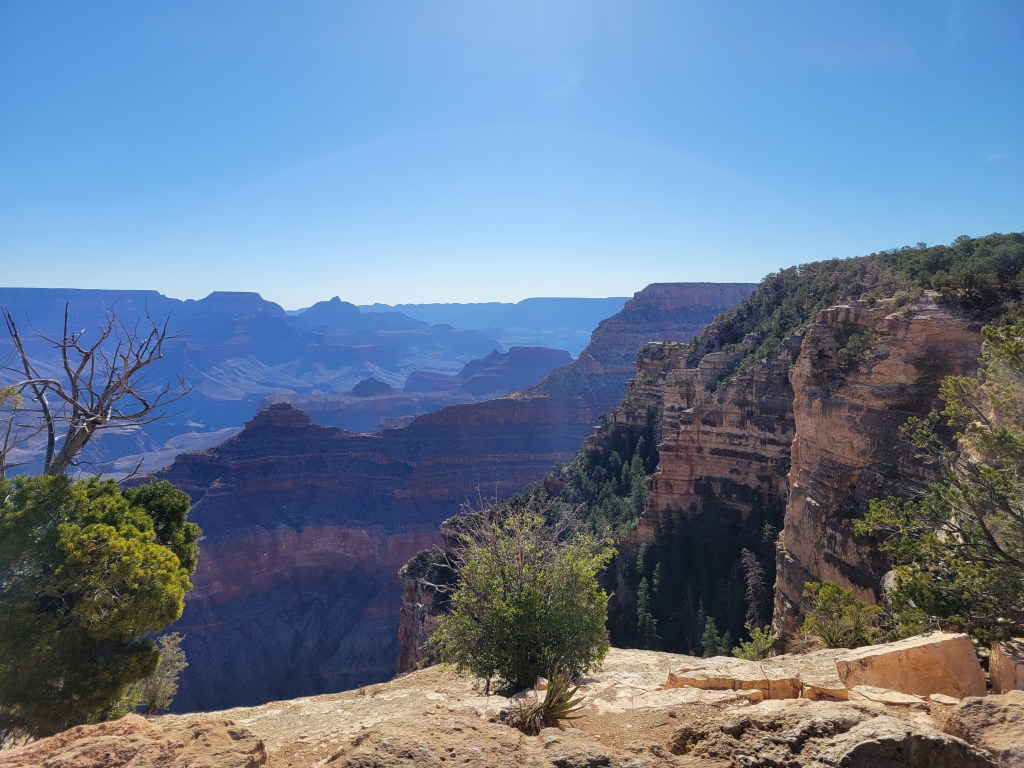
And I stared across the expanse of the Grand Canyon.
And guess what?
No vertigo.
Thank you, Jesus!
And yes—it was absolutely worth the detour.
Pictures and videos simply do not do it justice.
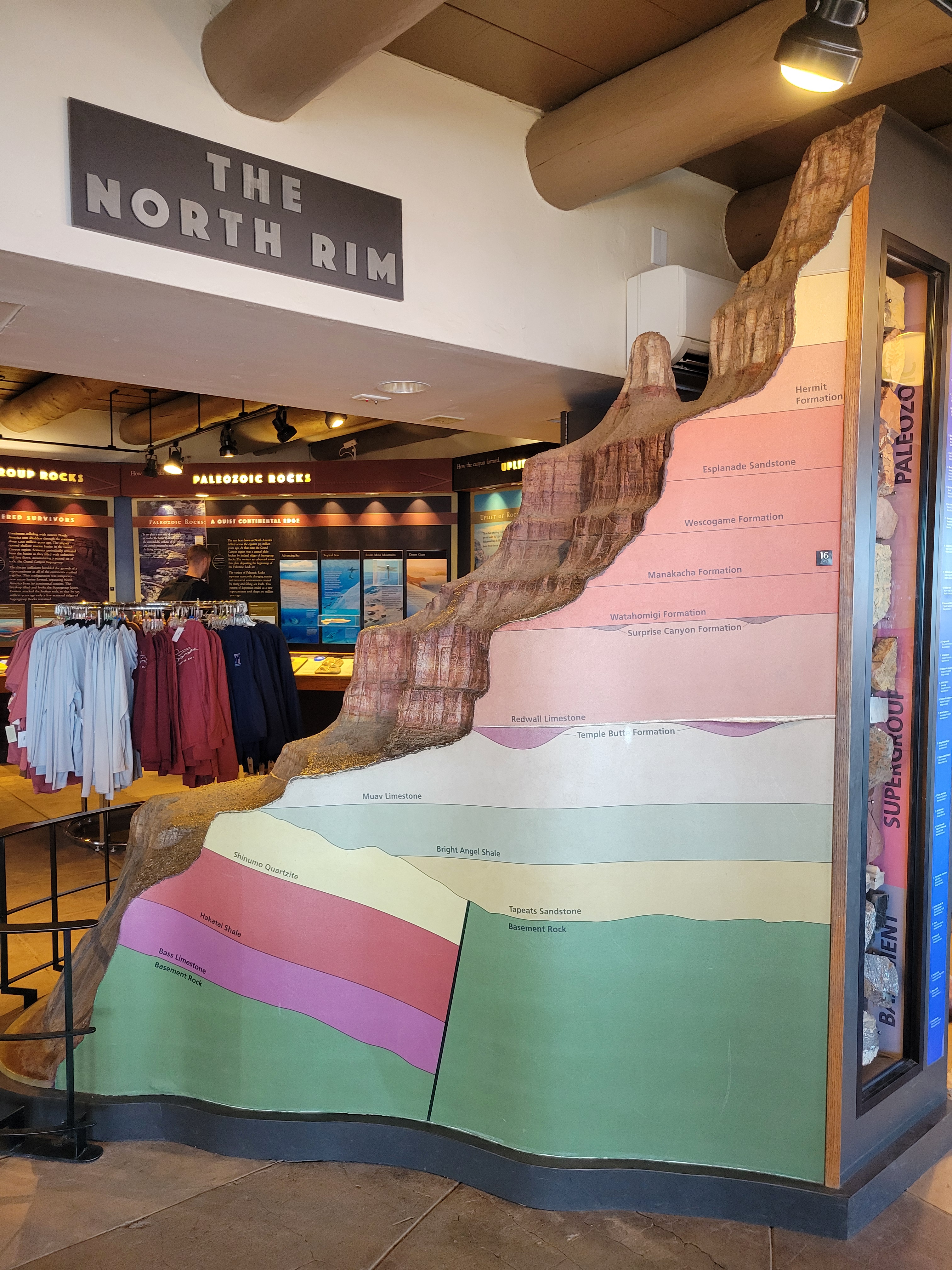
I tried taking photographs, but quickly abandoned the impossible task. No camera can adequately capture the depth, breadth, and sheer vastness of the truly grand Grand Canyon. It is one of those places that simply must be experienced in person.
As I stood there trying to comprehend distances so immense they seemed unreal, even while stretched out before my eyes, I was reminded of the love of God.
The Grand Canyon seems beyond understanding, and yet, for all its vastness, it can be measured.
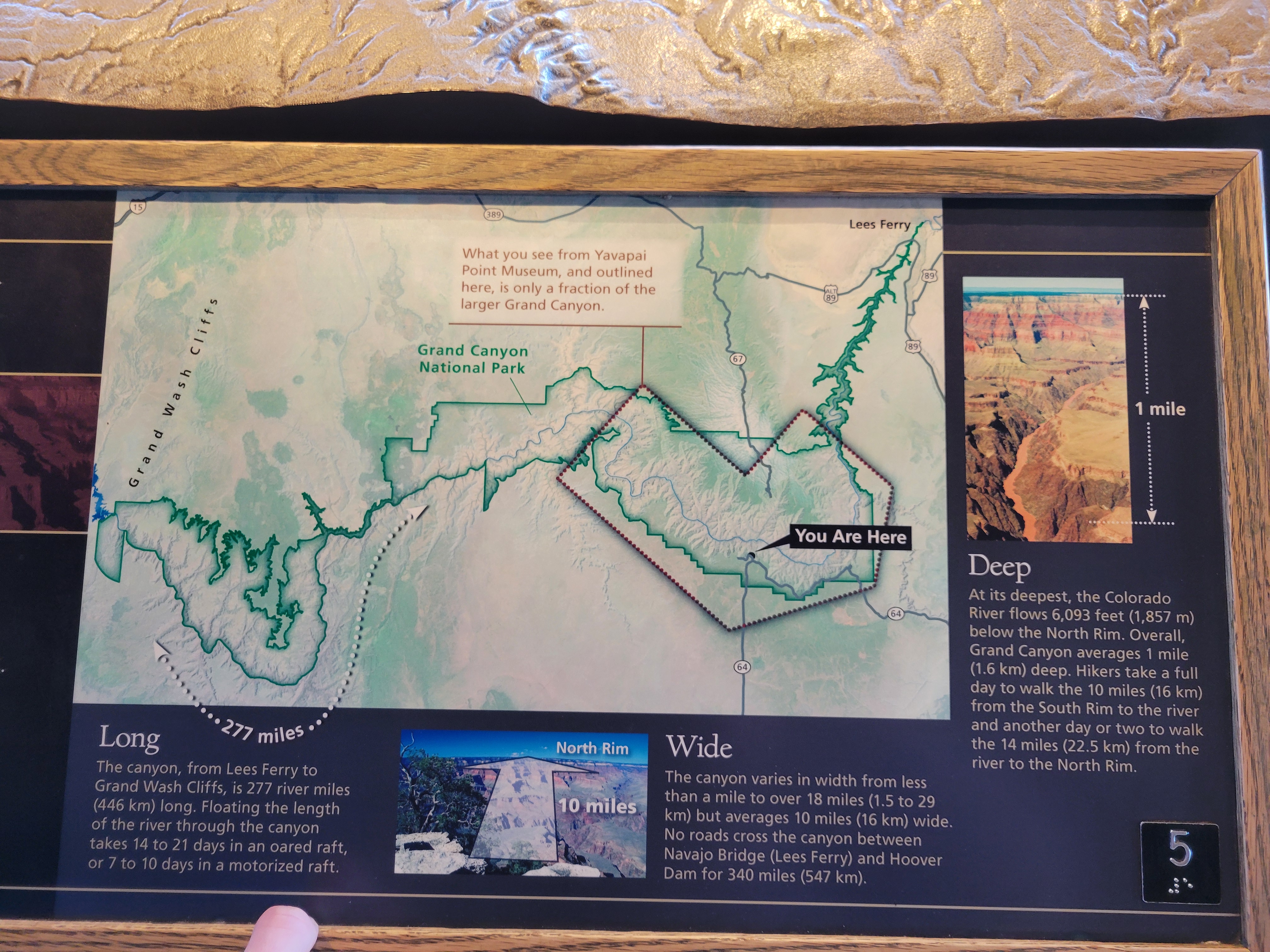
It is 277 miles long.
Up to 18 miles wide.
More than a mile deep.
Yet God’s love is so vast, it cannot be measured at all.
And still Paul prays that believers might “be able to comprehend with all the saints what is the width and length and depth and height—to know the love of Christ which passes knowledge.” (Ephesians 3:18-19a)
In other words, that we might know the unknowable.
What a beautiful picture of His love He created when He formed the Grand Canyon with His capable hands.
The canyon stretches beyond what our minds can easily grasp, yet God’s love extends infinitely farther still.
It is too wonderful to comprehend.
And yet, I pray that you, too, may “know the love of Christ which passes knowledge.”
Do I have a green thumb? Oh no, not me. I’ve got what you would call a black thumb. I can kill anything. Anything, I can assure you.
I’ve been given all kinds of “unkillable” plants over the years, and admittedly, some last longer than others—but eventually…they all die.
I either hyper-fixate on them and drown them or I completely forget they exist and never water them at all.
There is no middle ground. No world in which I remember their existence just the right amount and give them the proper care they require on a consistent schedule. Nope. Not gonna happen.
And yet…nearly every year, I try again. I don’t entirely know why.
I suppose I still believe it’s a skill I should be able to learn someday. And with the state of the world over my lifetime, the idea of growing even a portion of our own food feels like something worth pursuing.
One year, I did manage to grow a lot of squash and zucchini—but I can only take a small fraction of the credit.
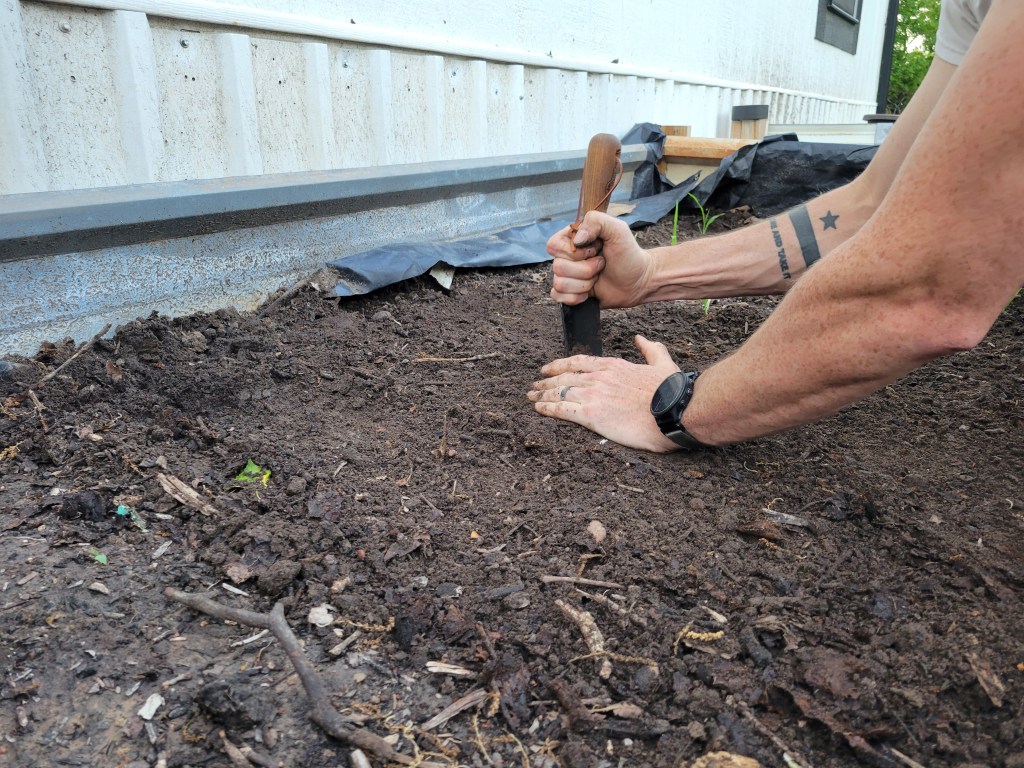
We were living in an apartment at the time, and my dad generously offered to collaborate with us using his backyard raised beds.
So we bought plants—far too many—and quickly filled the beds.
Then we paused and asked: now what?
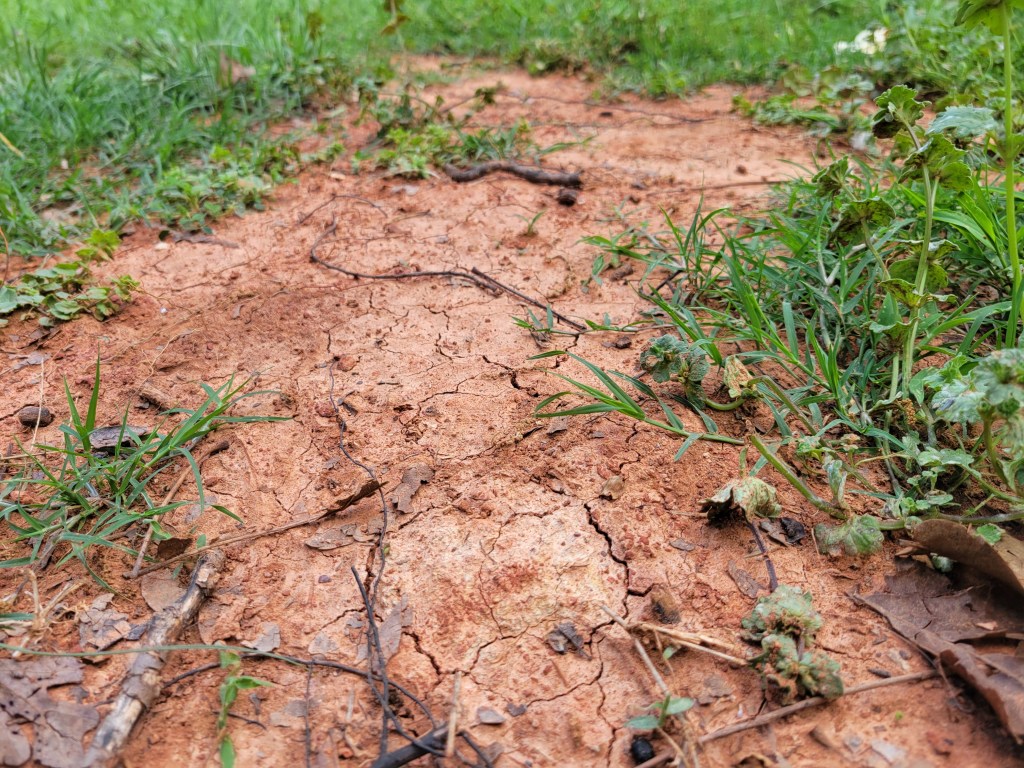
I had the audacious idea to just plant them in the ground. The regular ground. The red clay soil.
My dad scoffed. They’ll never survive, he said.
I shrugged.
I had been reading in the Old Testament—likely in one of the prophets—about God bringing life from seemingly impossible places.
I boldly recited the verse to my dad and, grinning, assured him that God would bring the growth, knowing deep in my spirit that He would get the glory and these plants would thrive.
We planted them.
And then something unexpected happened.
I kid you not: every plant we had carefully planted in the rich, store-bought soil of the raised beds…died. No produce whatsoever. Nothing.
But the ones planted directly into the hard, red clay?
They thrived.
They grew enormous—wild, sprawling, almost out of control. We had more squash and zucchini than we knew what to do with.
My dad and I just laughed.
Now, I can’t for the life of me remember the exact verse, but even nearly ten years later, the message has stayed with me.
It’s a quiet echo of what Paul writes so simply: we may plant and we may water, but it is God who gives the growth.
Thankfully, with this black thumb of mine, growth isn’t limited only to the garden.
Next up: Roadschooling—a peek inside bringing our schoolwork along for the ride as we wrapped up our unit studies on the road. Coming June 16.
It’s impossible, it seems, to ignore Spring’s siren call to plant new seeds and cultivate new growth—even when you have a black thumb.
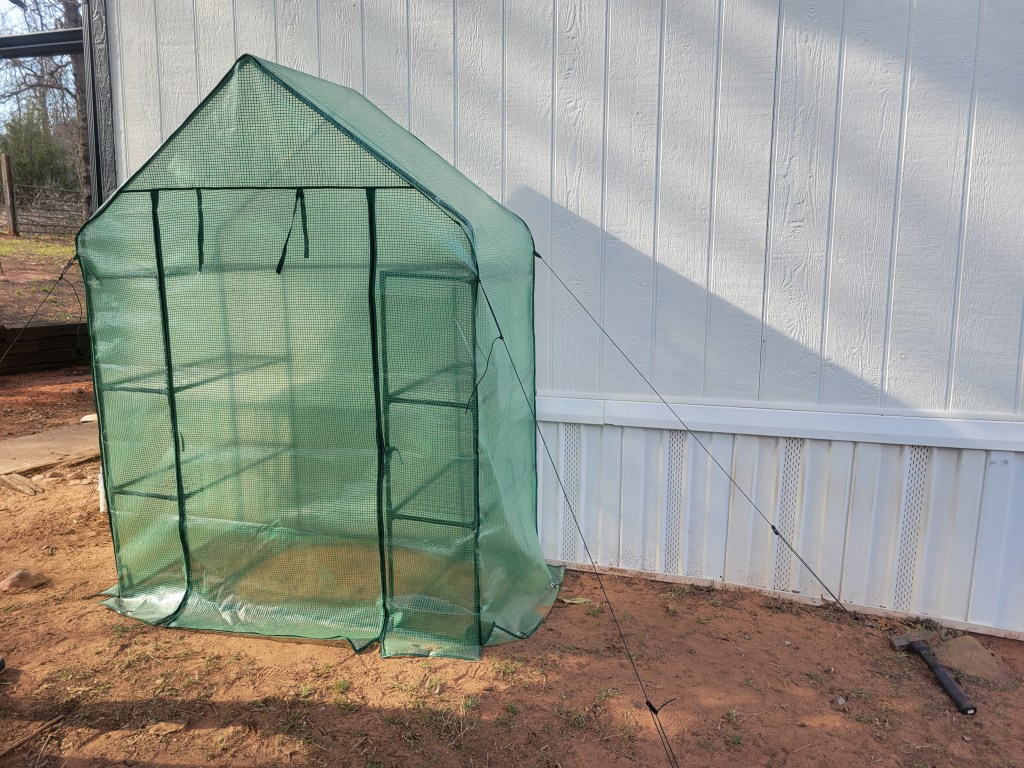
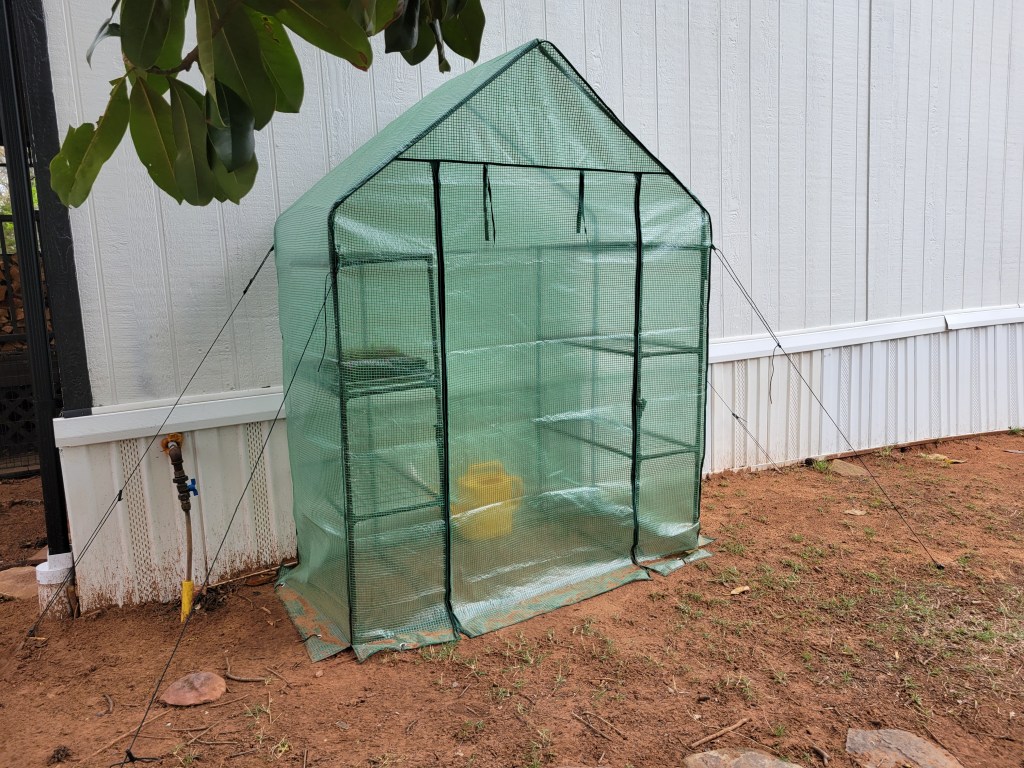
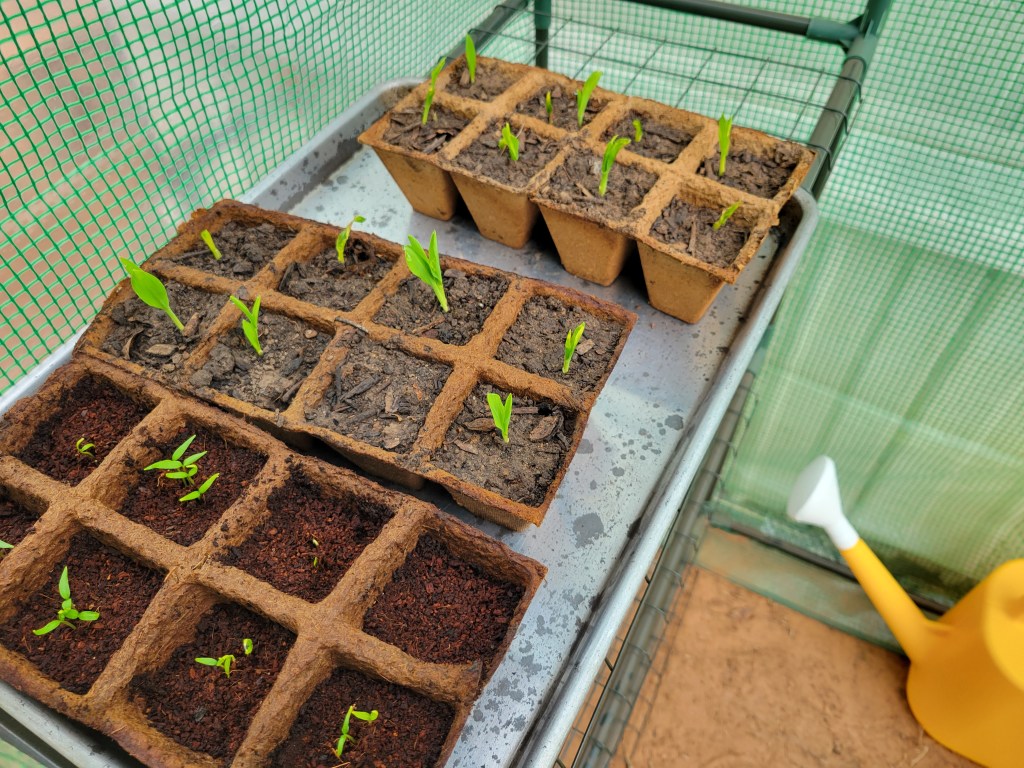
One side of our extended family enjoys playing “Dirty Santa” every year to exchange gifts. This past Christmas, our youngest was the proud recipient of her very own greenhouse. She could not wait to get her greenhouse set up, plant seeds, and begin growing all the food and flowers.
At the first hint of spring, she started begging to grow plants.
Suddenly, the race was on to get seeds started and—as with most things in our family—everyone had a role to play.
Our oldest assembled the long-awaited greenhouse.
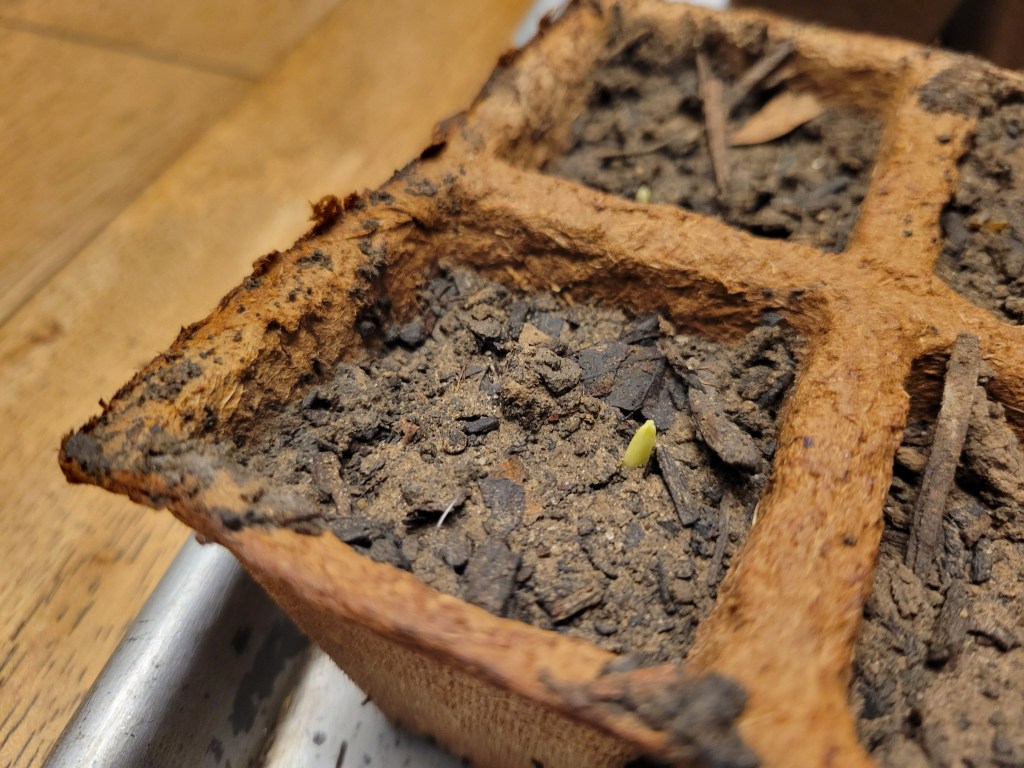
Dad led an expedition to the store to get all the necessary supplies: seed starter trays, garden soil, and, of course, seed packets.
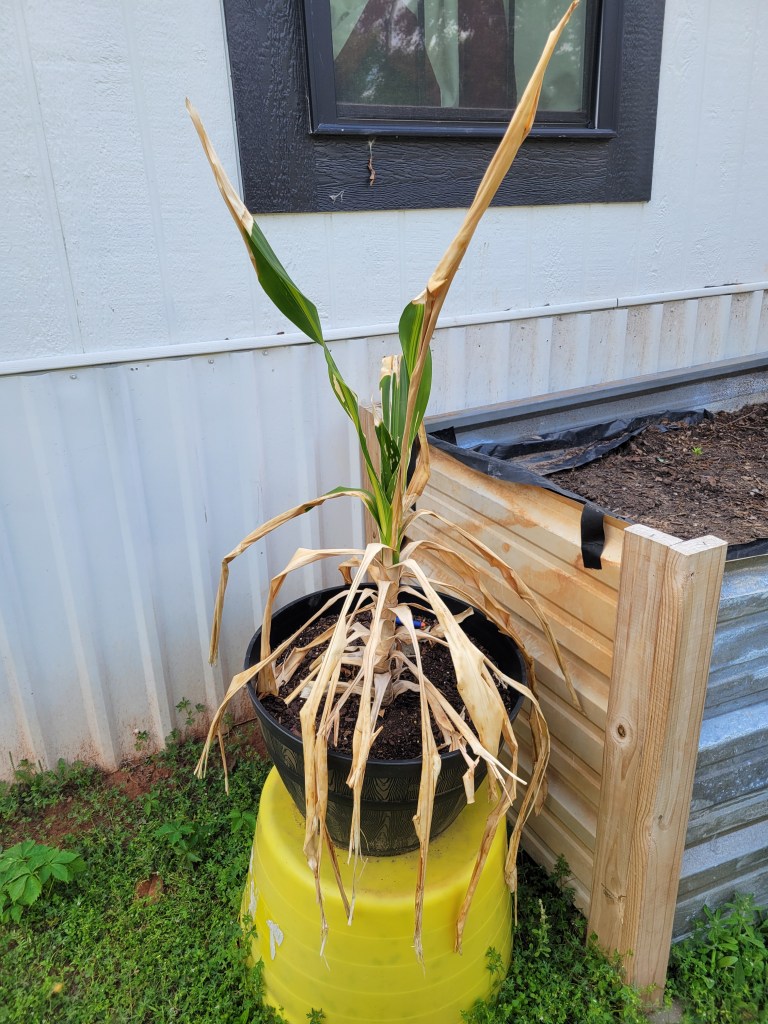
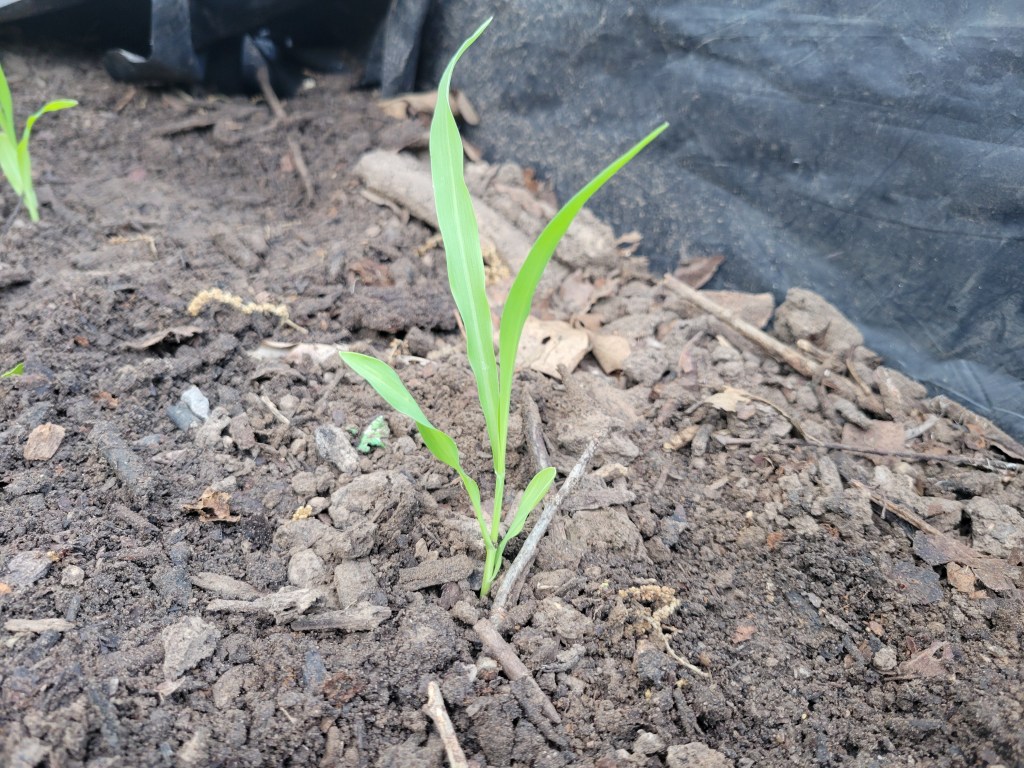
With a little help, she planted her prize seeds: sweet corn—and Dad planted Thai peppers and jalapeños.
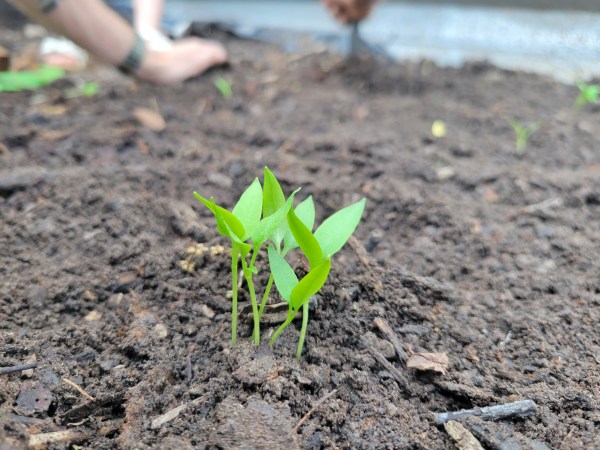
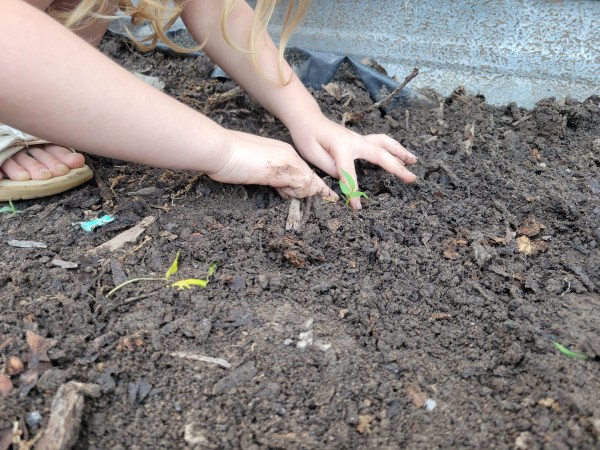
Before we knew it, glimpses of green could be seen poking up through the soil.
It was time for these little guys to be moved into the greenhouse where we hoped they would flourish and produce.
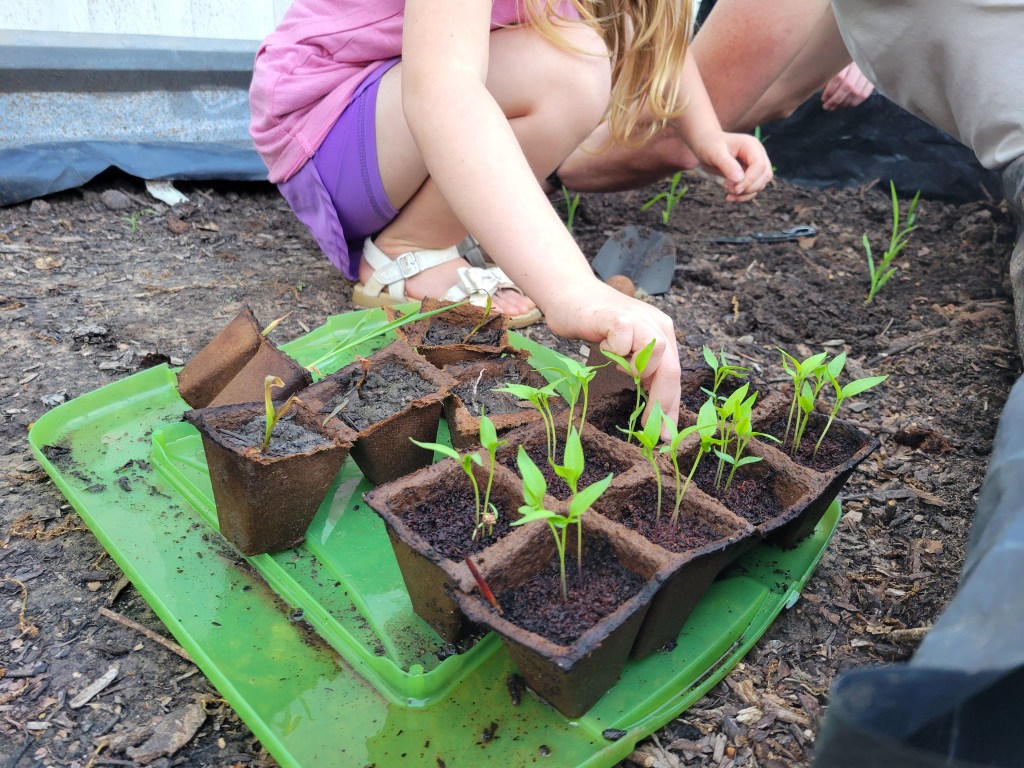
Within days, they had grown from tiny shoots to thriving baby plants…
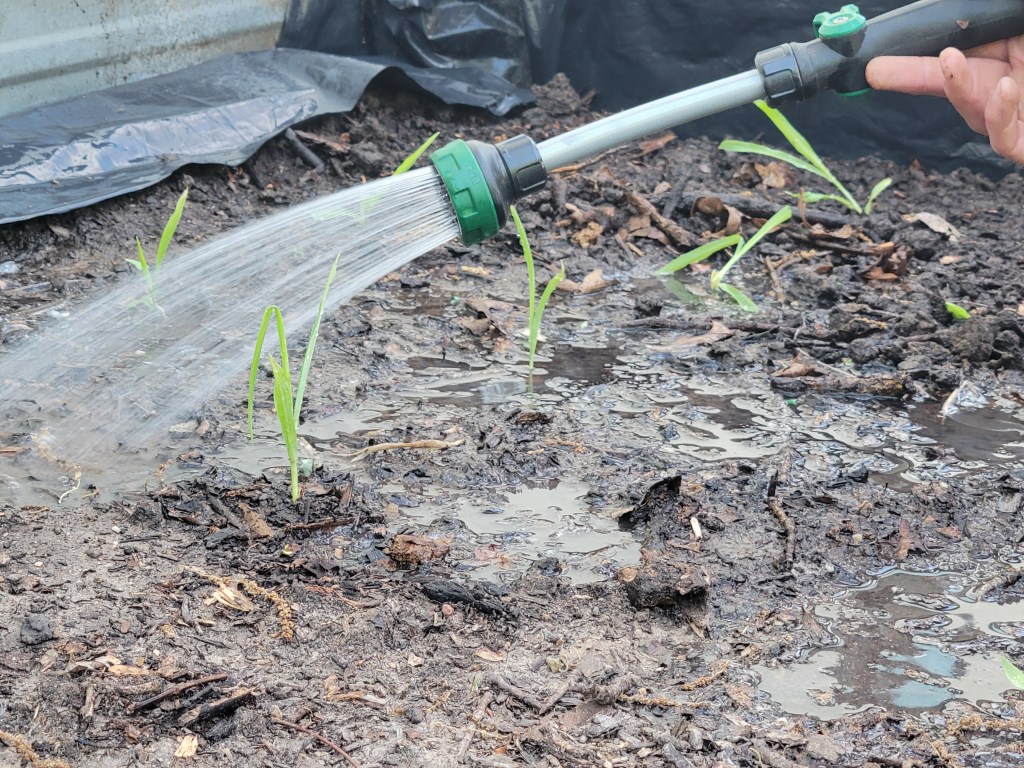
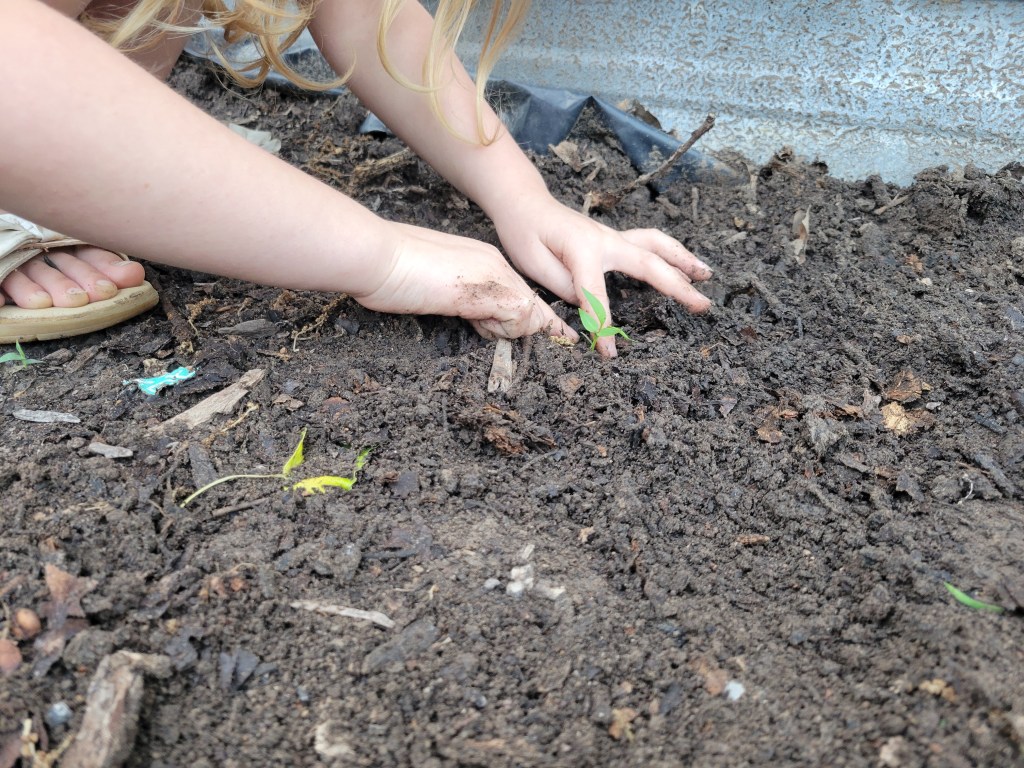
…and a couple of weeks after that, they were ready to be transplanted into the raised garden bed…
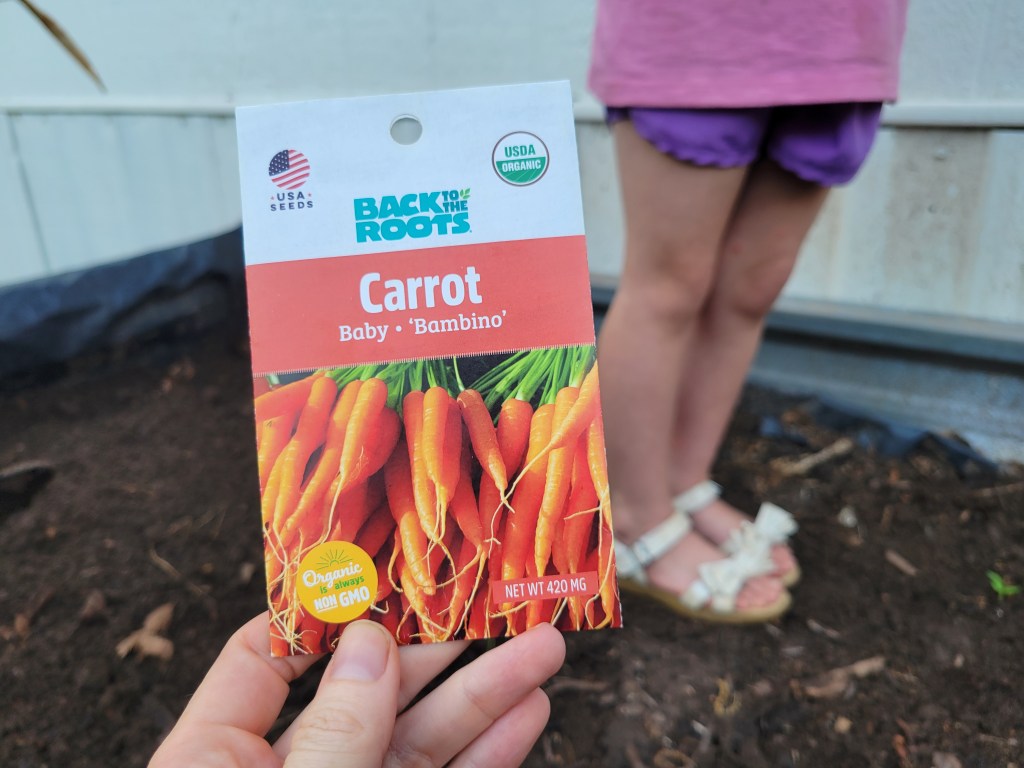
…and a few more seeds were sown—this time, carrots.
I had big plans myself this spring to try my hand at gardening once again. I intended to keep it simple and focus on one plant: strawberries. But, honestly, my window of opportunity never came. Instead, I’m watching from the sidelines as my daughter and husband nurture their own little plants.
As I sit at the computer, wrapped in the still darkness of early morning, the only sound being the click-clacking of keys, I can’t help but wonder: perhaps I am planting seeds—just not the ones I had envisioned.
Now to see which ones will bear fruit—because, as Paul reminded the Corinthians, we may plant and we may water, but God gives the growth.
A renewed heart for the family table wasn’t the only thing we brought home from Iowa.
The morning we left, we finished packing the car and making our rounds to say good-bye.
“Spot’s all packed up and ready for Oklahoma!” my nephew said.
“What?” we all responded at once.
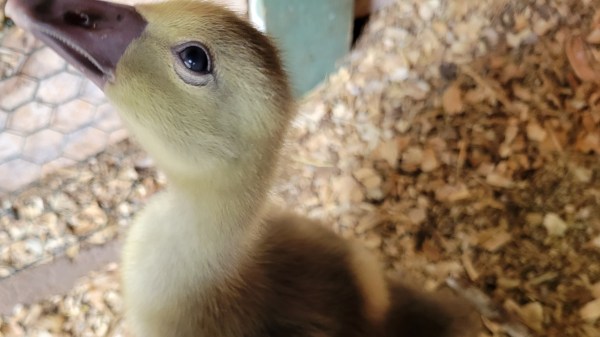
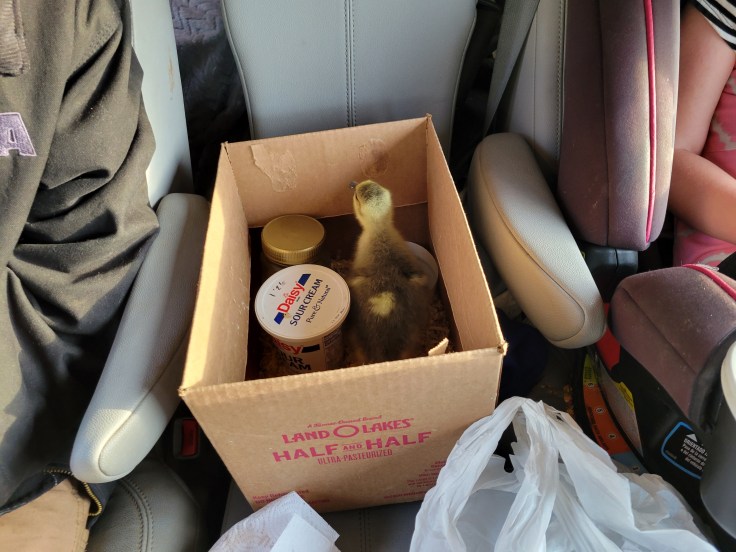
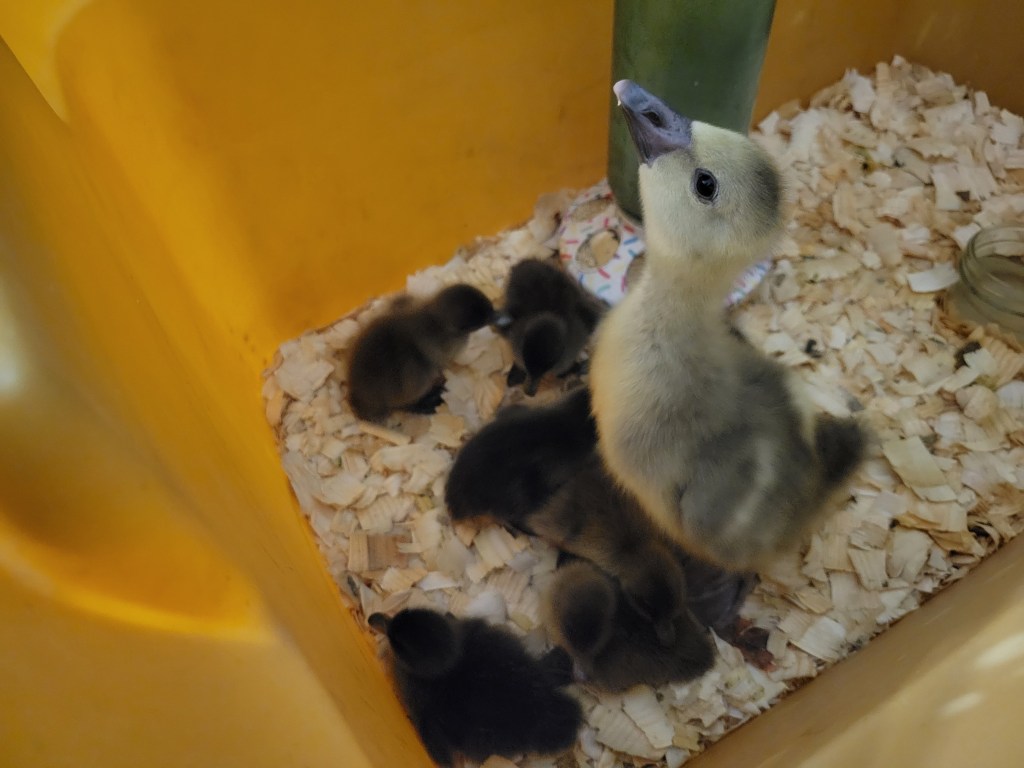
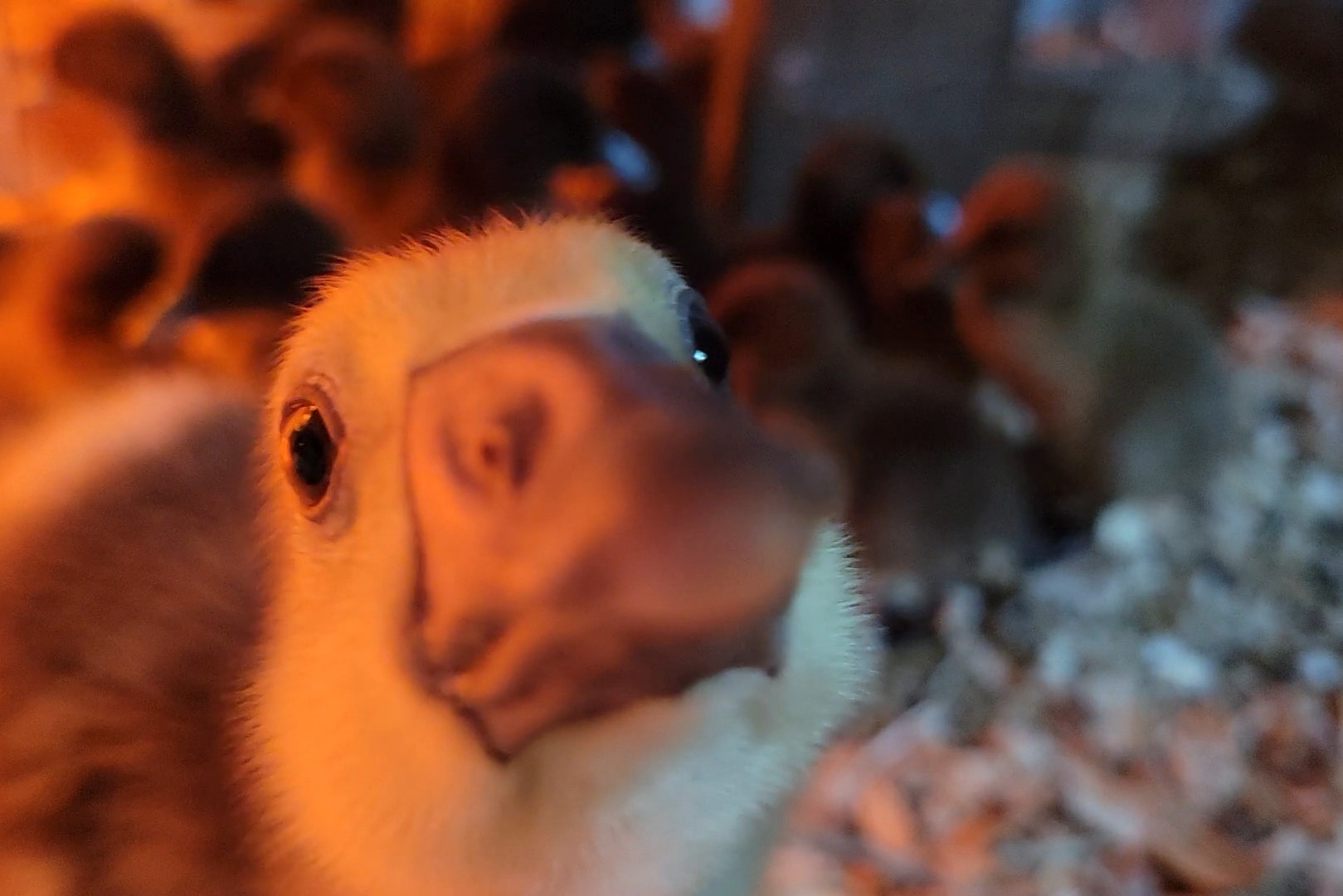
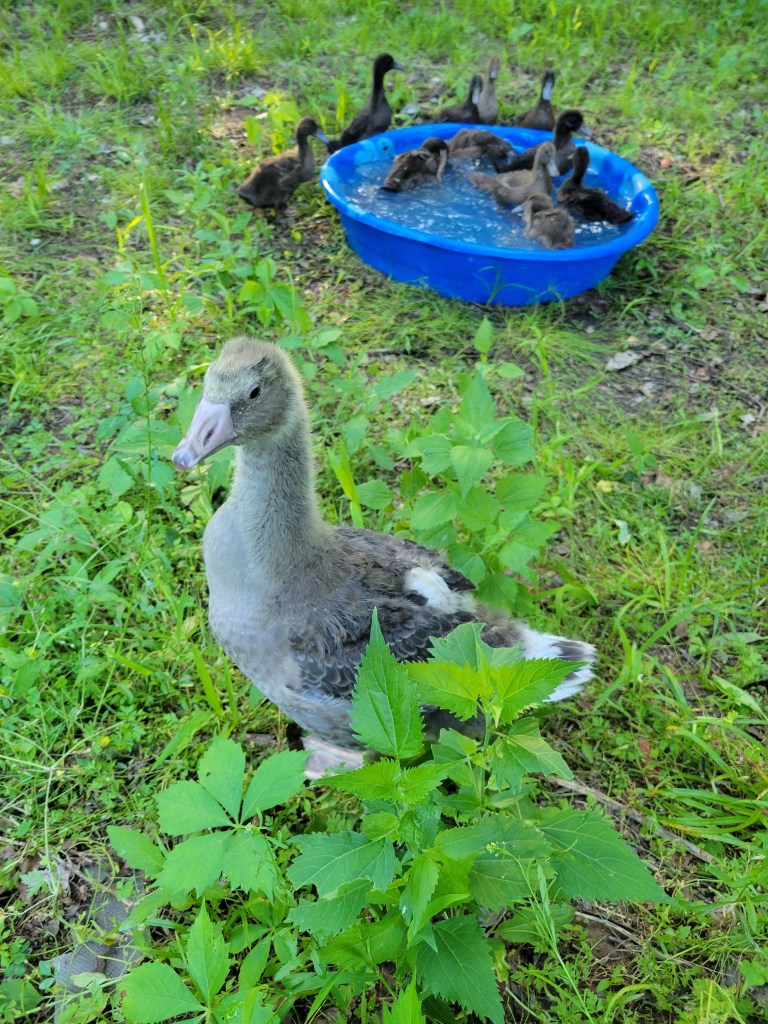
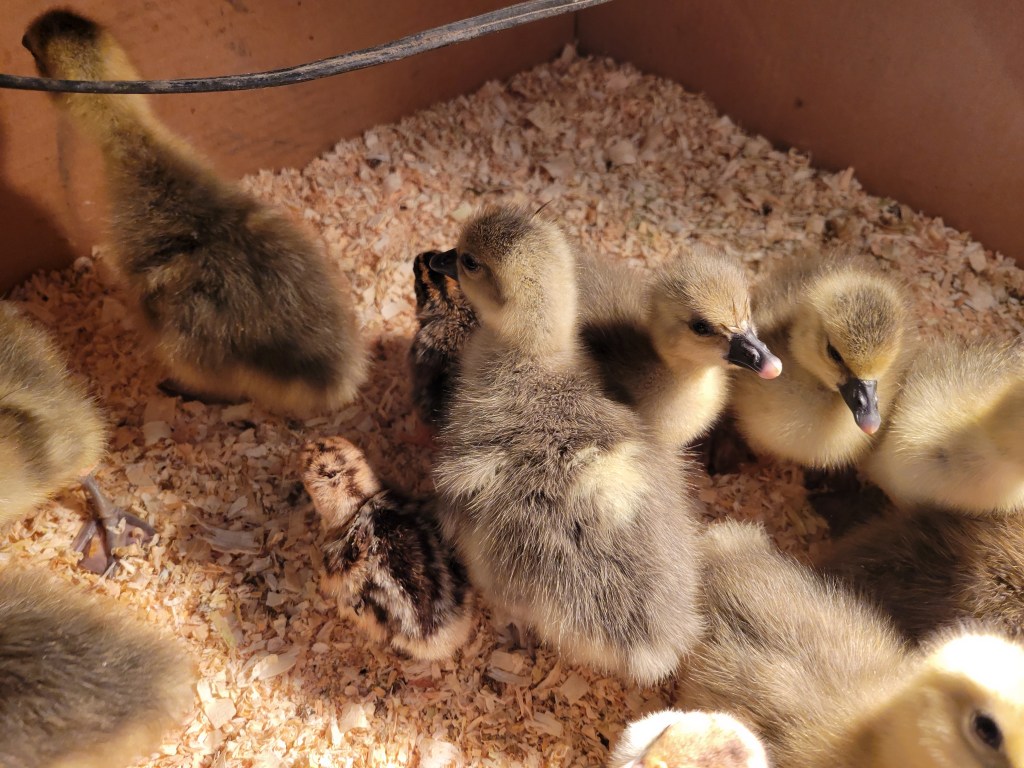
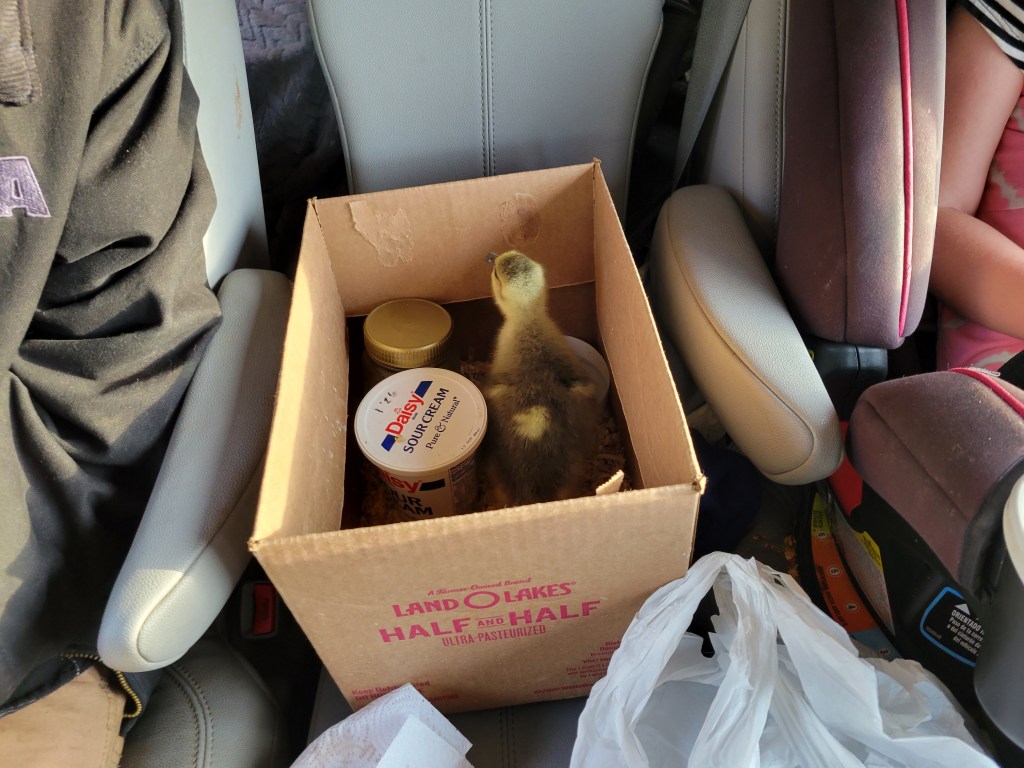
Sure enough, our favorite gosling—Spot—had been lovingly packed up with food and water, ready to come home with us.
It hit me right in the feels. Such a sweet, thoughtful suprise.
I think we were all a little nervous about how he would handle the ten-hour drive, but he did remarkably well.
(“He”, we think—we’re still not sure yet.)
He spent some time in his box as well as being passed around from lap to lap. We encouraged him to eat and drink along the way, and he quickly learned our voices. When he called out and we answered, his cries softened into something closer to chatter.
He was talking to us.
When we got home, we unpacked the car and immediately set up a brooder for him.
But honestly…he was lonely.
He had been part of a large group, surrounded by constant noise, movement, and companionship. Now, suddenly, he was alone.
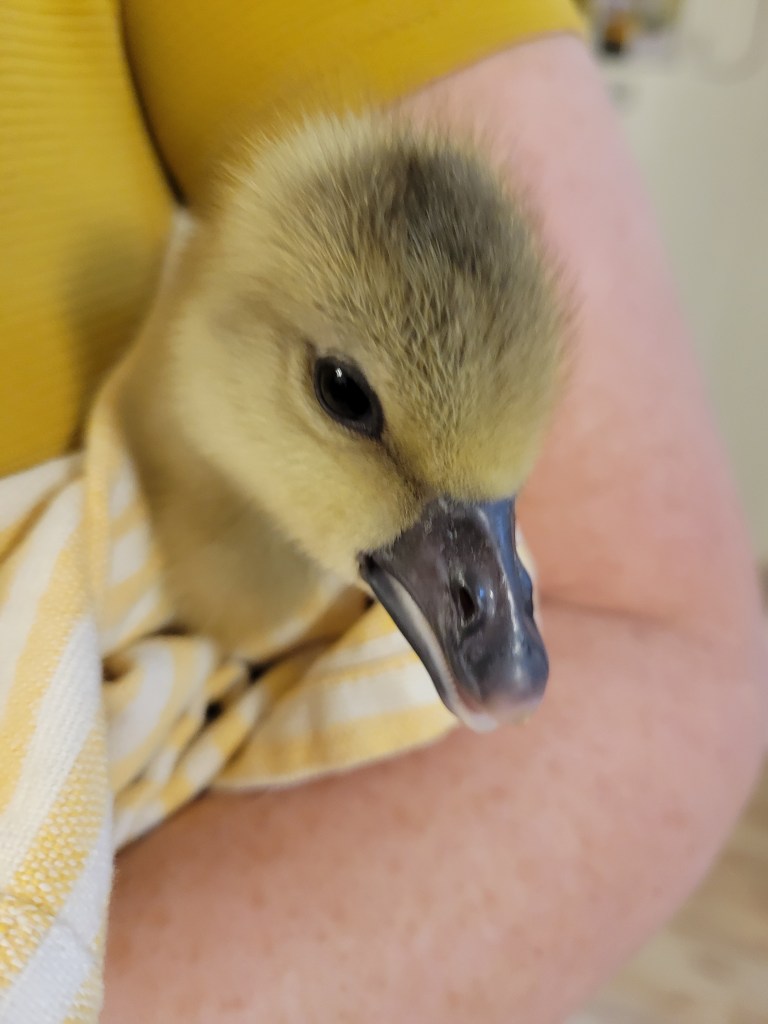
A few times, I picked him up, wrapped him in a towel—I was not about to get pooped on—and carried him around the house with me, assuring him that if he could just hold on a few days, he would have friends.
Well…”the strain was more than he could bear,” as Doc Holliday would say.
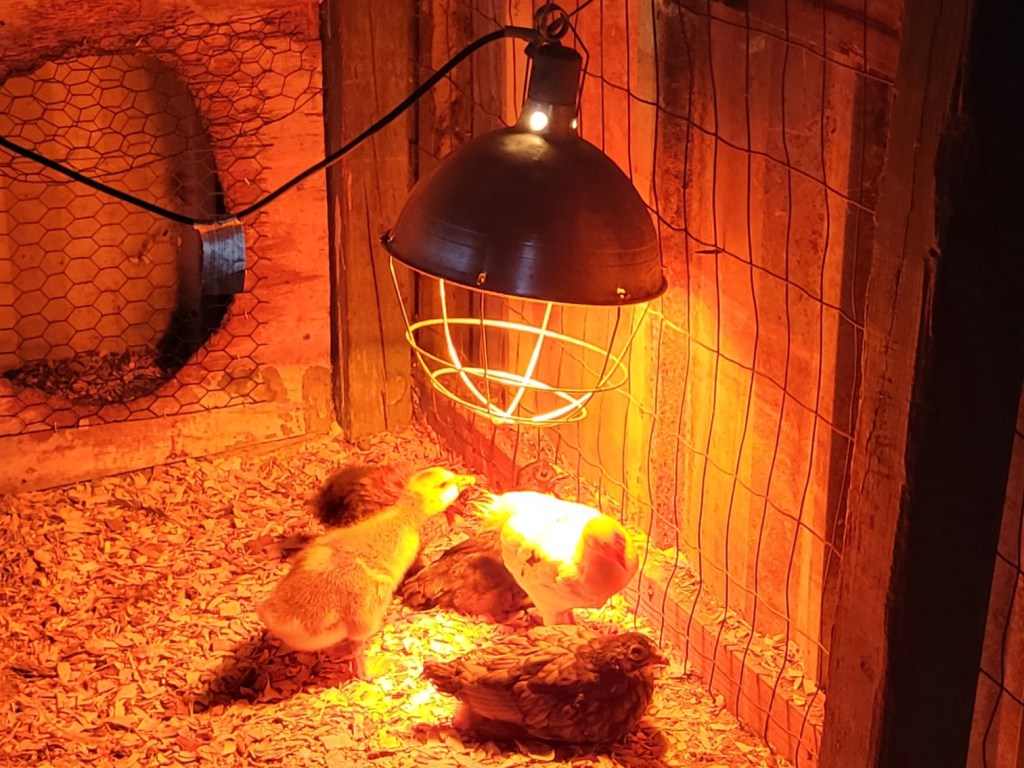
So we moved him out to the shed with the last of our baby chicks, and he immediately perked up. It turns out, he just needed company.
Then Hatching Day finally came.
We brought Spot back inside, and before long, he was caring for the first ducklings as they hatched. He seemed both curious and slightly concerned as I doubled his group from four to eight.
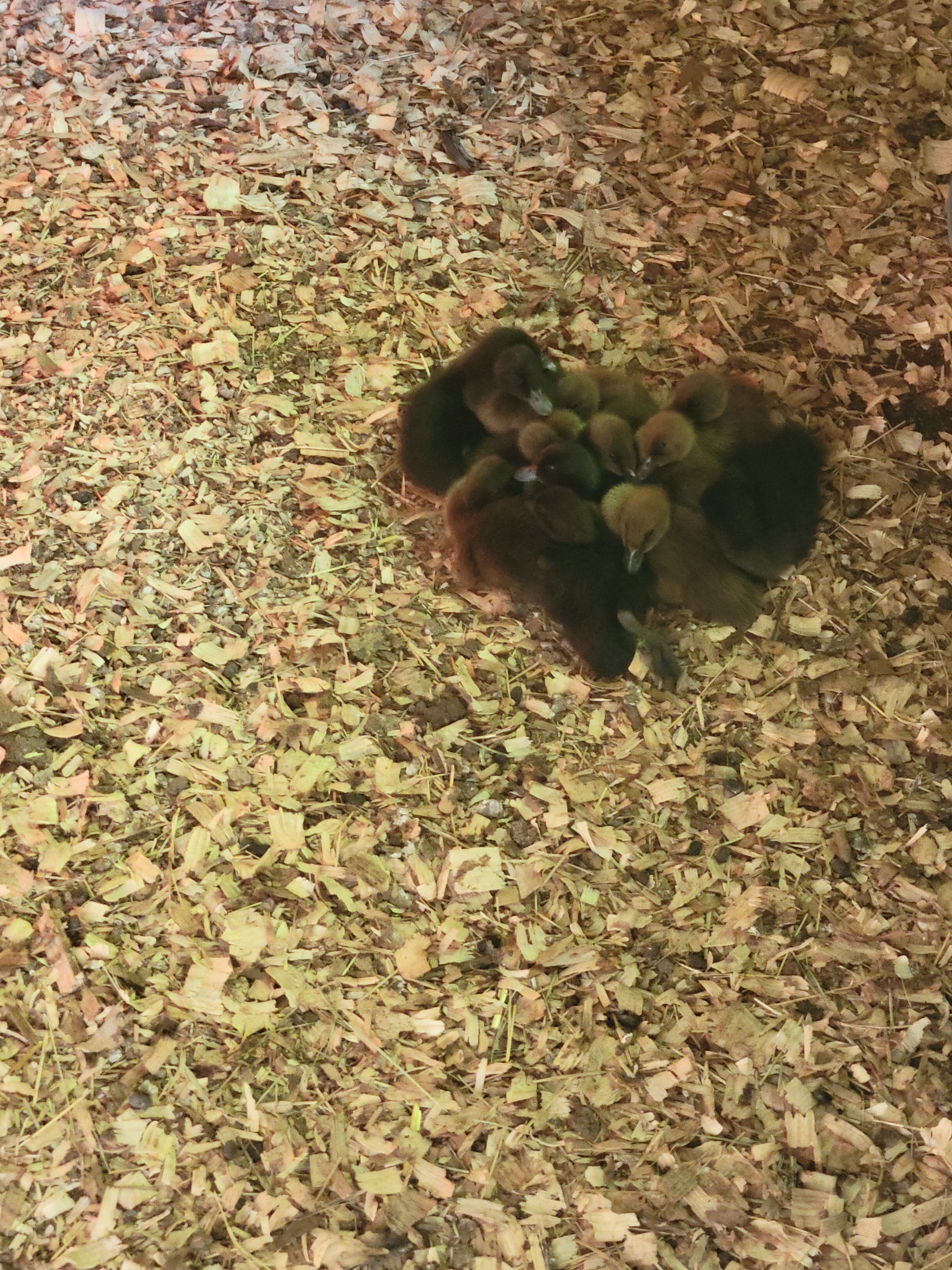
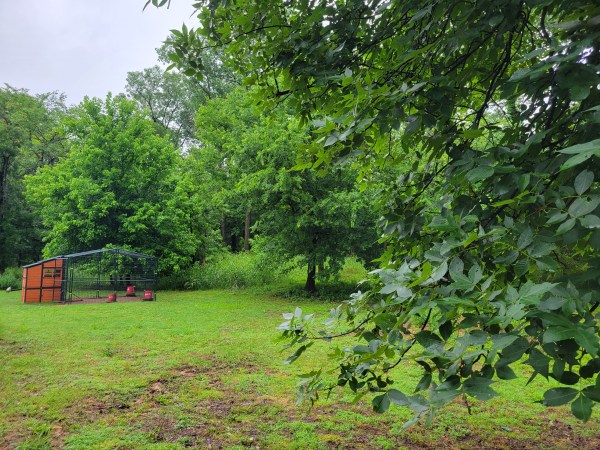
Once this first round of ducklings were big enough to graduate to the shed, we promoted the remaining baby chickens to the coop and moved the ducklings and Spot into the larger space.
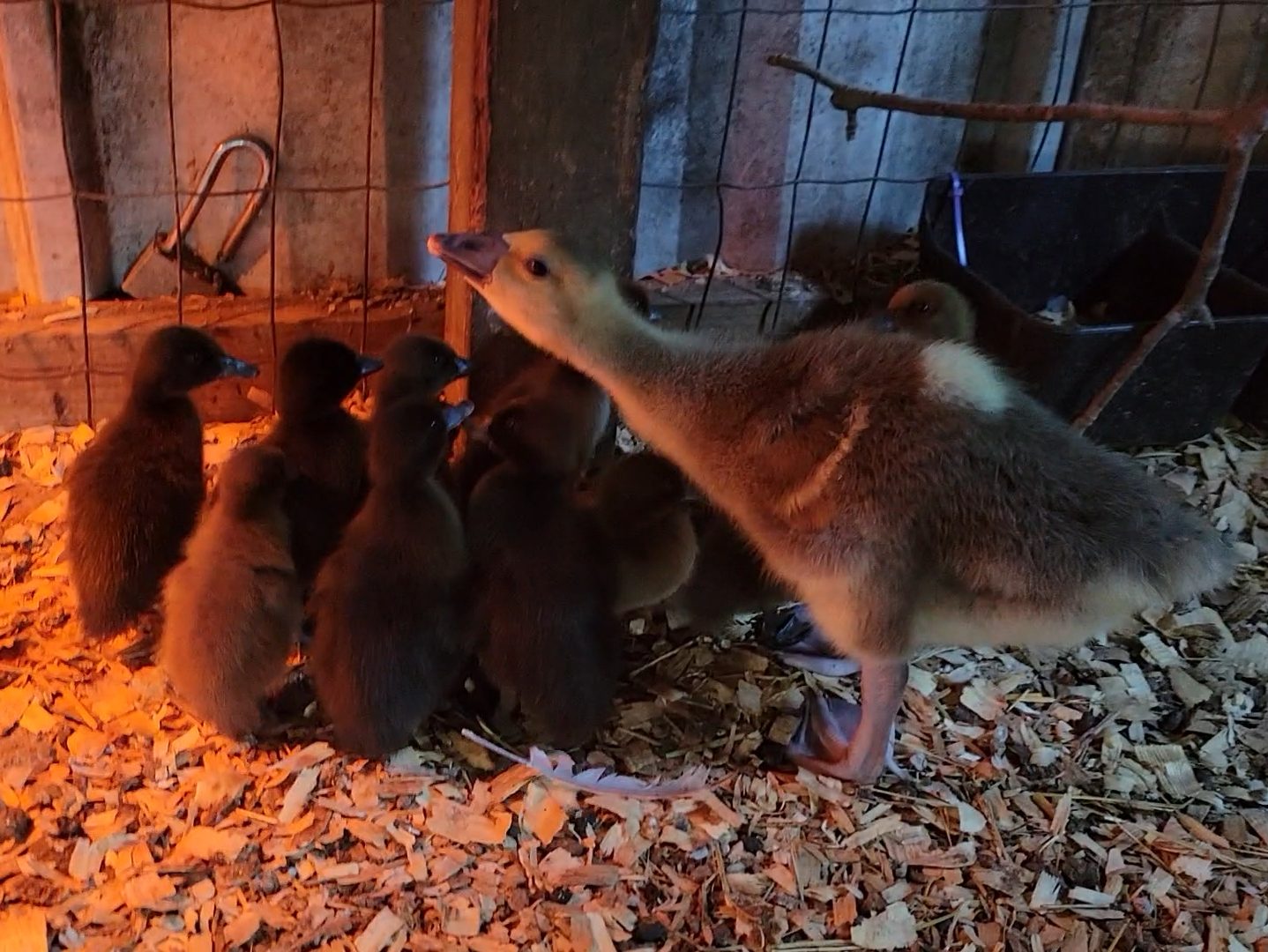
They seemed to appreciate having “so much room for activities” and faithfully followed Spot everywhere he went.
And Spot…took his role seriously.
He seemed to teach them and protect them.
Soon, four more ducklings joined the group.
And then—Lucky 13.
When Lucky 13 began to decline, Spot was the first to notice.
He called out—loud and urgent until I came.
I did what I could, but we lost the duckling.
If possible, Spot called out even more loudly and more urgently, as though trying to make sure we understood.
I couldn’t believe it.
He knew something was wrong. And he knew to get our attention.
He has been growing unbelievably fast, caring for the now eight ducklings day by day (we’ve since lost four more).
His blue-gray feathers have come in, though he kept his signature spot. He still greets us each day with his familiar little “meep-meep,” hurrying over the moment he spots us outside.
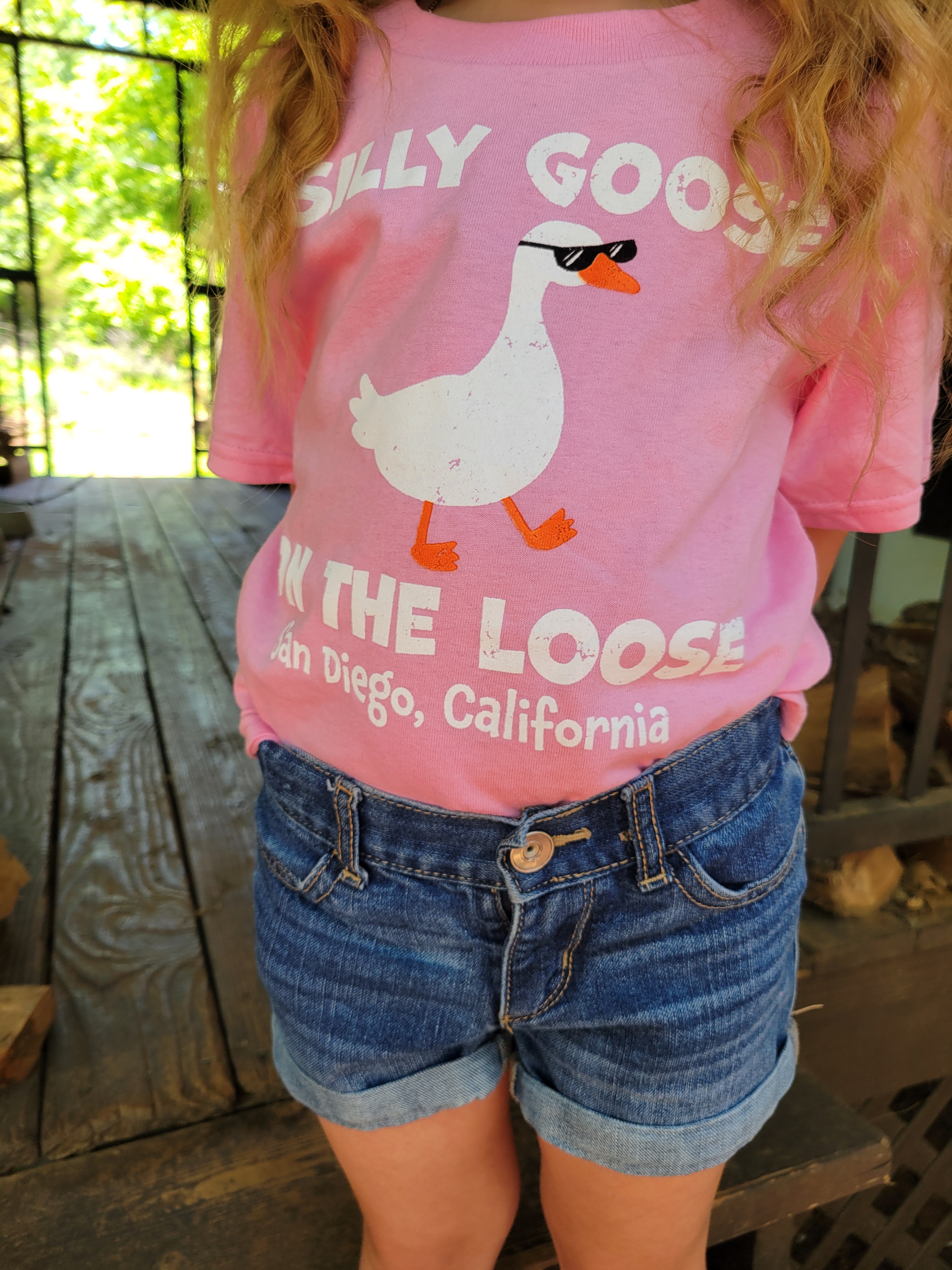
It’s hard to believe the tiny gosling we brought home from Iowa mere weeks ago has already grown into a proper goose—a serious goose, at that. Spot, it seems, is anything but silly.
Next up: In the Garden—where things don’t always grow the way I expect them to. Coming June 9.
There is a dark side to being surrounded by Life in this fallen world: it means we must also regularly face Loss.
And nothing about Loss is fun or pretty.
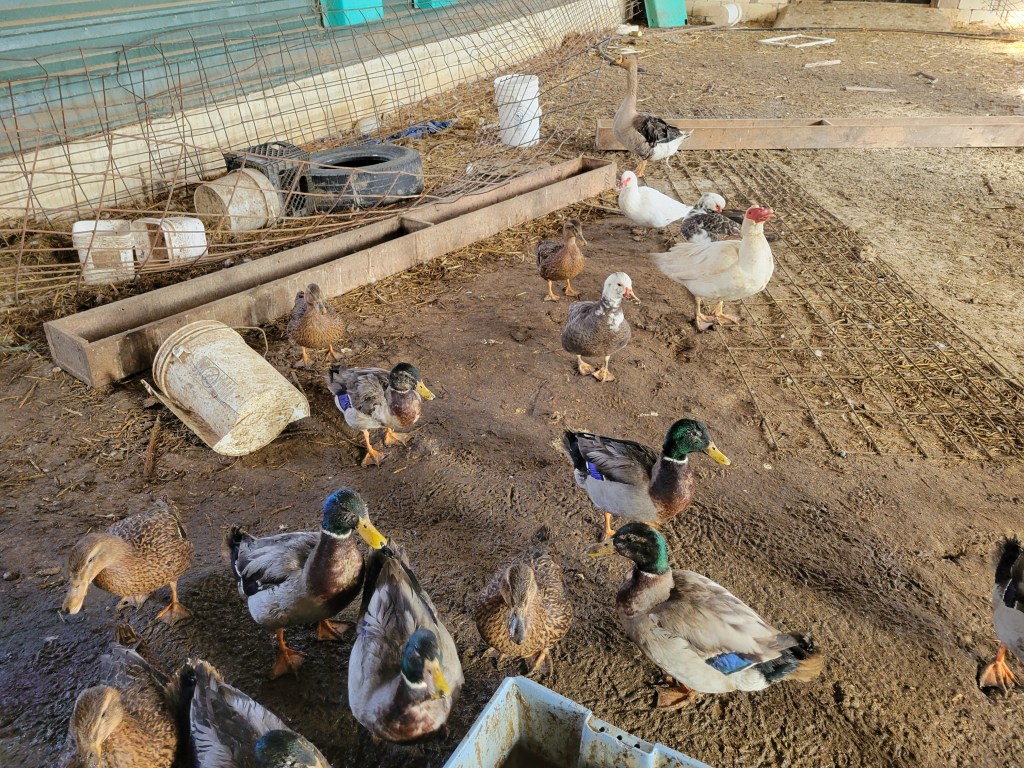
Since we’ve moved to our little acreage and started amassing an army of animals, we’ve lost a cat, some chickens, and a few ducks.
I was anxious about leaving our flocks, wondering how they would fare with the change in routines, worried that the birds would mutiny and begin attacking each other.
Paradoxically, we lost no animals while we were off visiting family in Iowa…yet, we lost many in the weeks that followed—about 5 young chickens, 1 duckling, and 2 laying hens.
We expected we might lose up to 40% of the young chickens. To be honest, though, we were completely caught off guard to lose 2 full-grown laying hens—Brownie & Isa—who simply never returned to the coop one evening.
We also lost a little duckling who had been securely tucked inside a shed alongside Spot the goose and eleven other ducklings. Somehow, a predator still managed to get in. (The shed has since received some extra fortification.)
Upon returning from our second trip this spring (more on that soon), in which we again lost zero animals during our absence, we’ve already lost three more ducklings, a young hen, and most recently, a young rooster, too (our last one, it seems).
It’s discouraging and sad and downright unpleasant.
Sometimes they simply don’t come back or they’re suddenly missing from the flock.
Sometimes a predator attacks, we discover a body, and must then bury them.
The grief weighs on your heart while the anxiety tugs at your mind.
When one goes missing, we’re suddenly on high alert, searching for them. Making extra trips to the coop in the evening, just in case they return.
But this is just part of farm life. You can’t have Life without Loss. Not this side of heaven.
So you pray and you check and you fortify. You pray again and hold it all with an open hand.
You take the good with the bad and you keep moving forward.
Because this has always been about so much more than birds. These are opportunities that God is using to teach us about hard work, death, resilience, the natural world, His goodness and where our hope is found.
In Christ alone.
“To everything there is a season,
A time for every purpose under heaven…”
Next up: A Time to Plant—because even in the wake of loss, new growth emerges. Coming June 6.
The trip back home after our visit to Iowa was long, but our cups were full. We were eager to return to our own little acreage, check in on our animals, and settle back into familiar routines.
Upon our arrival, we began checking on each of our animals. Our dog greeted us enthusiastically at the gate. Our lambs had been dropped off earlier that day and were safe and sound, already tucked inside their shelter for the night. Our birds were none too happy about being cooped up for the week, but all were well. Our eggs sat in lockdown in the incubator, preparing to hatch within days.
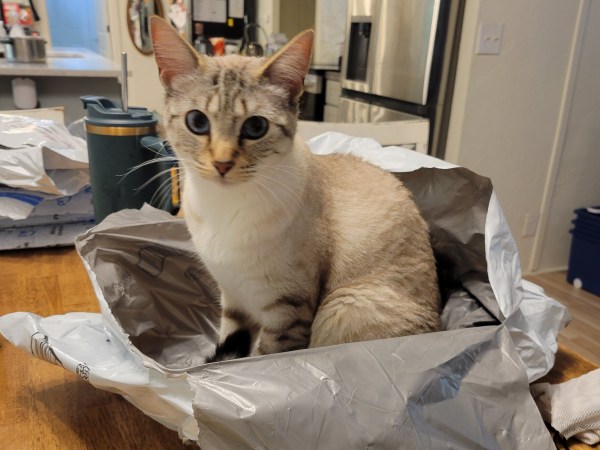
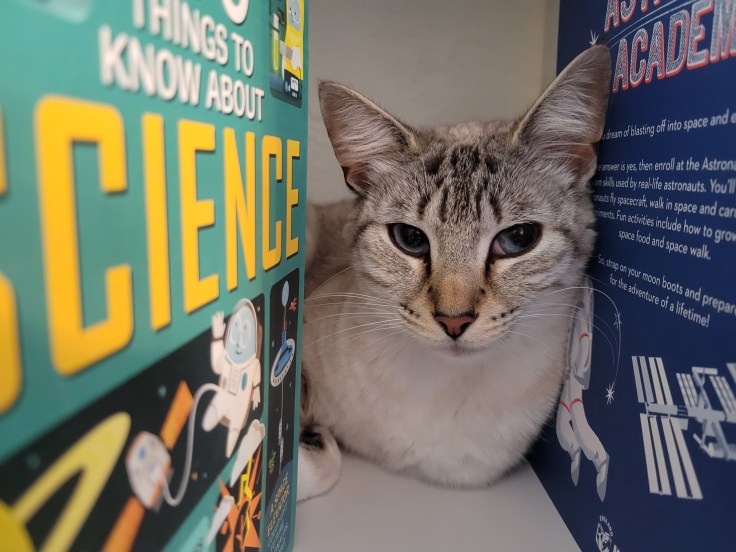
Our cats took a little more time to track down. There was Jasper. And Sylvie.
But where was Edie?
We had been most worried about Edie because Edie is solidly an indoor cat. However, as outdoor animal people, we had slowly been introducing Edie to the outside world, helping her acclimate to her new living situation. For this particular trip, we opted to leave her fully outside alongside her fellow feline companions.
Still, we suspected she might attempt to sneak into the house while our friends came and went checking on the incubating eggs.
As we roamed the property checking on animals and unloading the van, we kept an eye out for her, but saw no sign of Edie either inside or outside.
Finally, one of the children spotted her in the house.
I was confused because I had already checked the house rather thoroughly, or so I’d thought.
Then my husband discovered our shower curtain rod had fallen down—and there was cat poop in our shower.
Gross.
Well, that certainly confirmed that Edie had been inside the house.
But how had she gotten into the master bathroom? I was almost positive I had shut all the bedroom doors before we left.
I was stumped.
A little later, as I carried another load of bags into the bedroom, I noticed that the grate to our floor vent had been removed.
Odd.
Surely my husband must have been working on something. But when would he have even had the chance? We had all been busy unloading the van and tending animals since the moment we arrived home.
So I asked him about it.
He stared at me blankly.
He knew nothing about it.
Now we were both confused.
Who had removed the grate then? And when?
Then suddenly, the pieces fell into place.
I had shut the bedroom door. Edie had pooped in the shower. Her favorite place outside was under the house.
No way.
Had this cat seriously crawled through the crawlspace, broken into the A/C ducts beneath the house, climbed up through the floor vent, removed the grate, and proceeded to enjoy free rein of our bedroom while we were gone?
Surely not.
We tossed her outside and waited.
Within minutes, we heard her tiny mews coming from beneath the house. At first, she couldn’t seem to find her way back in, and we briefly wondered if perhaps some other animal had somehow been the culprit after all.
We’d left the flocks behind, and aside from a minor hiccup involving a house key—and a quick pit stop to ship said key back home—we were off to visit family.
We had been looking for an opportunity to visit our family in Iowa for at least three years and we were so excited to finally be en route.
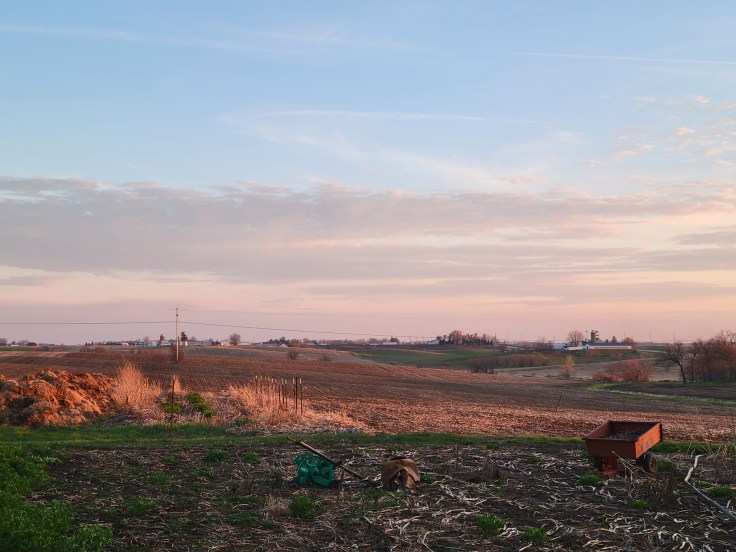
As we drove through Iowa—a state none of us had visited before—we were surprised by how much it resembled Oklahoma.
But as we continued east, the landscape began to shift. Rolling hills appeared. Miles of farmland stretched in every direction. It was truly beautiful.
Later, as I gushed about its beauty to my mother-in-law, she told me that she had done the same on her first visit and was told that Iowa actually means “beautiful land.”
Once we arrived, I expected the usual “warming up” phase that often comes with long gaps between visits.
Instead, everyone fell back into step almost immediately.
We quickly settled into a steady rhythm for the week: gathering, dispersing, then gathering again.
With no strict schedule for either of our families that week, we were all free to wander, with the anchors of animal care and meal times keeping us from floating adrift.
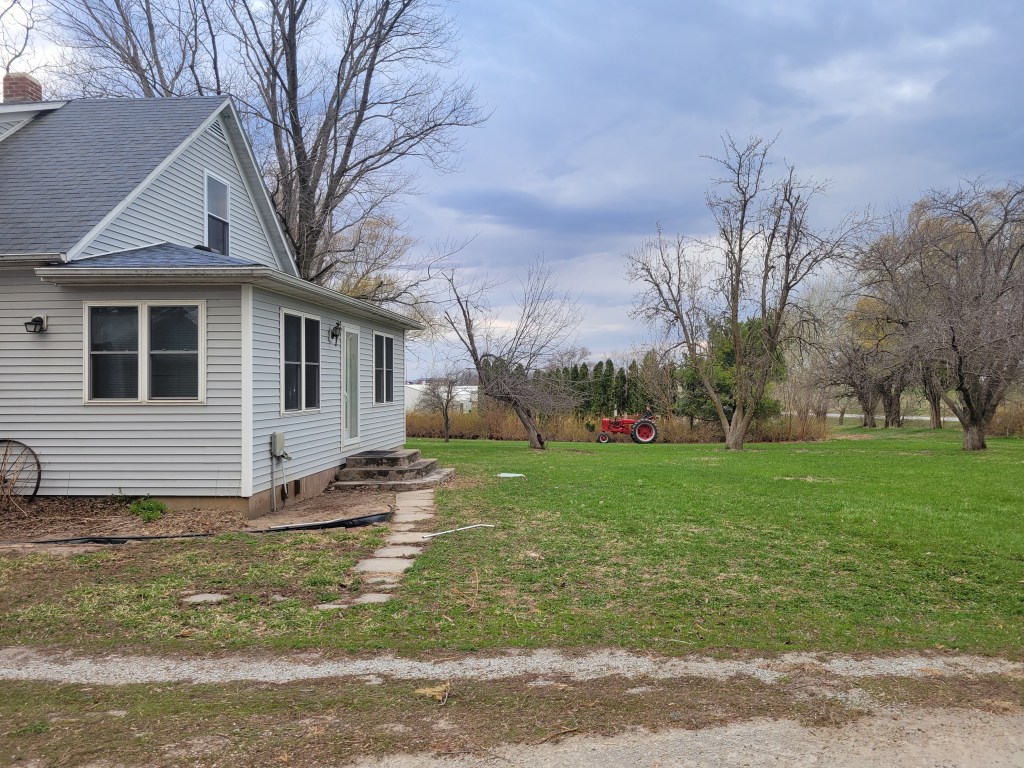
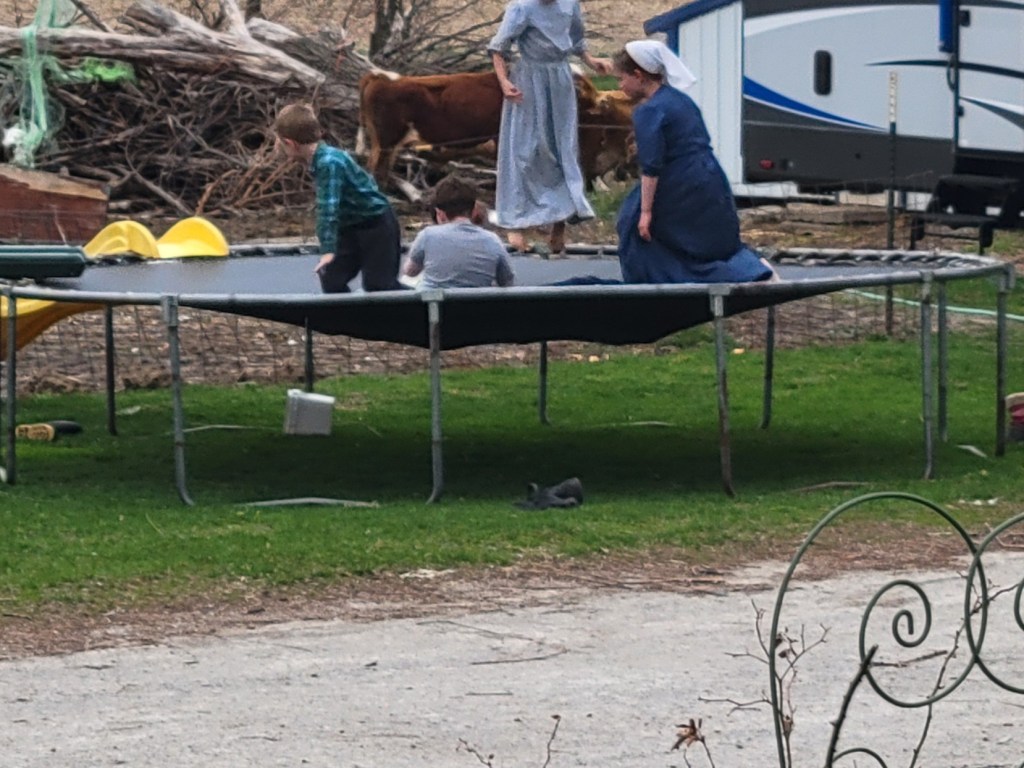
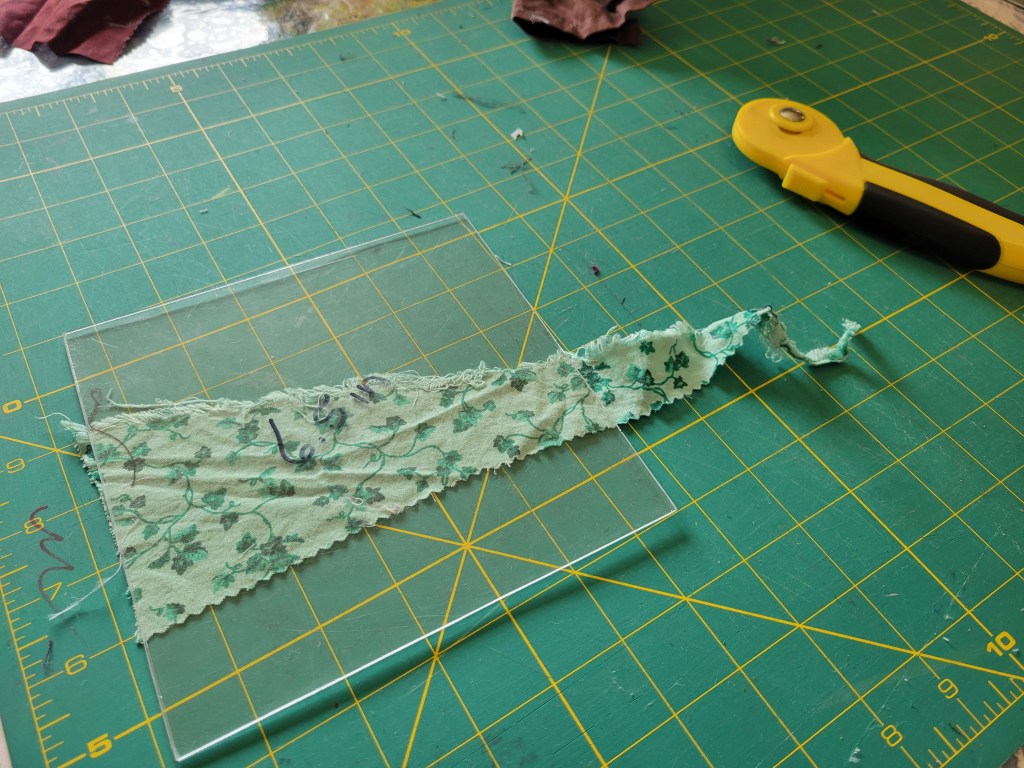
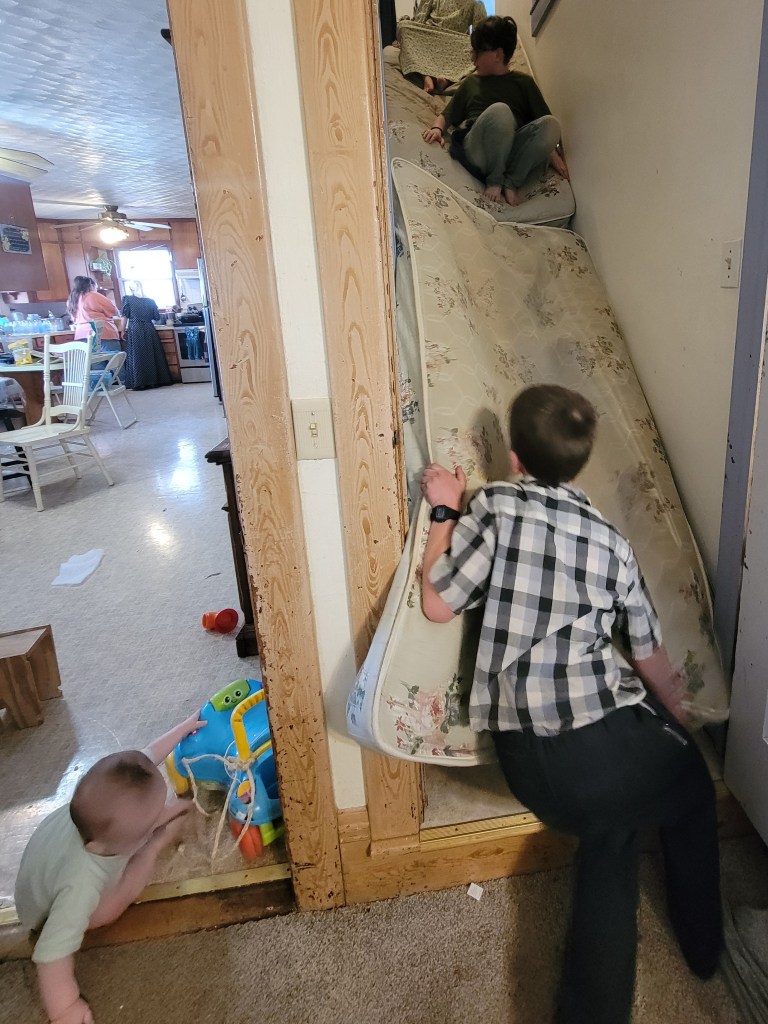
There were cows to milk and lambs to feed, tractors to fix and trampolines to jump on, fabric strips to cut and mattress slides to build.
The Table
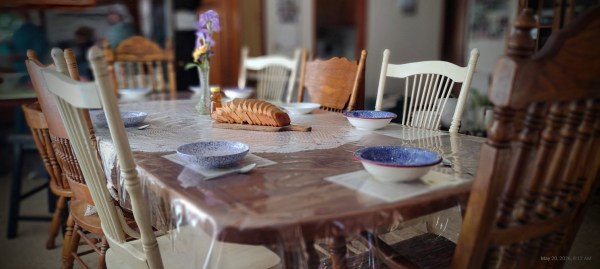
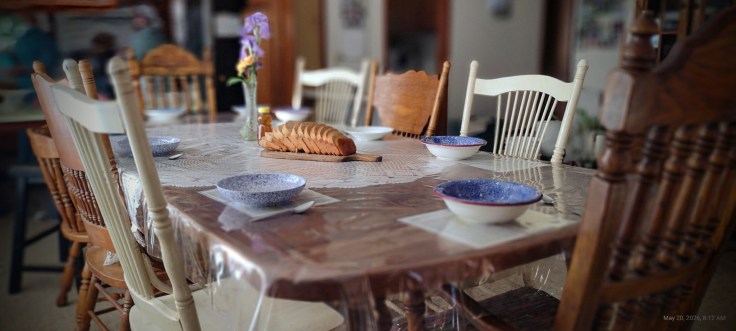
Each meal was shared around the family table in the dining area—breakfast, lunch, and dinner.
Food was blessed and received eagerly. Dishes of delicious food were passed around until everyone had their fill. The volume rose and fell as one conversation gave way to another. Funny stories, proud stories, sad stories, stories of struggle. Even dad jokes and knock-knock jokes had their turn.
Afterward, a few of the children handled the clean-up while others drifted toward other chores or raced off to play.
The Animals
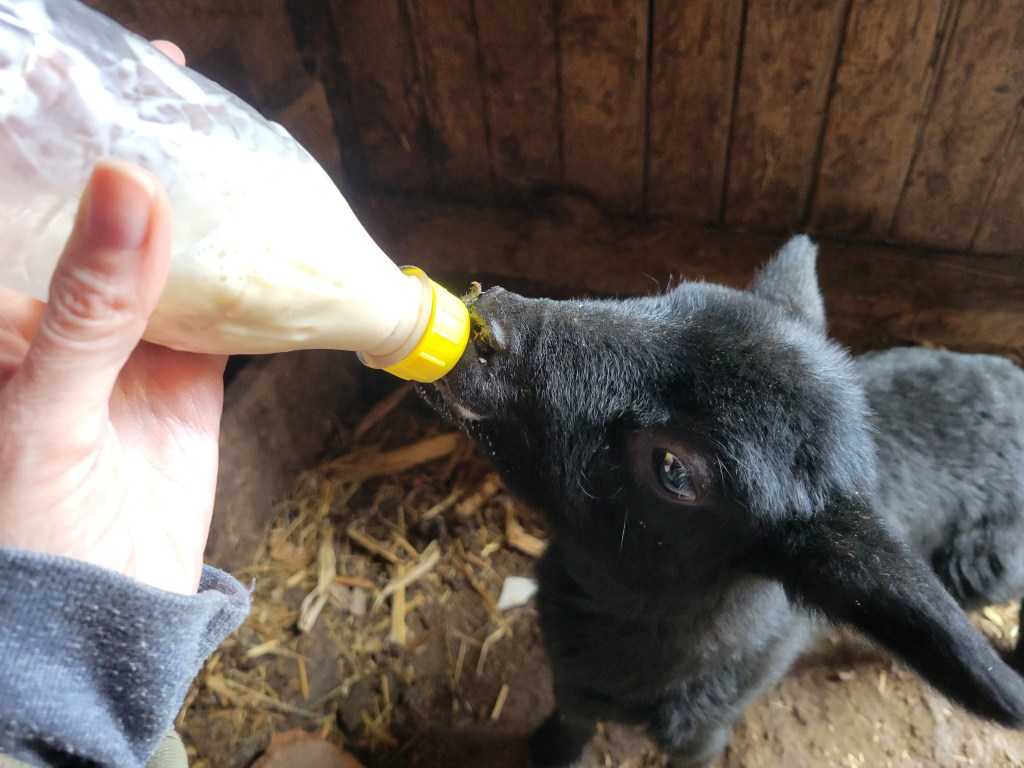
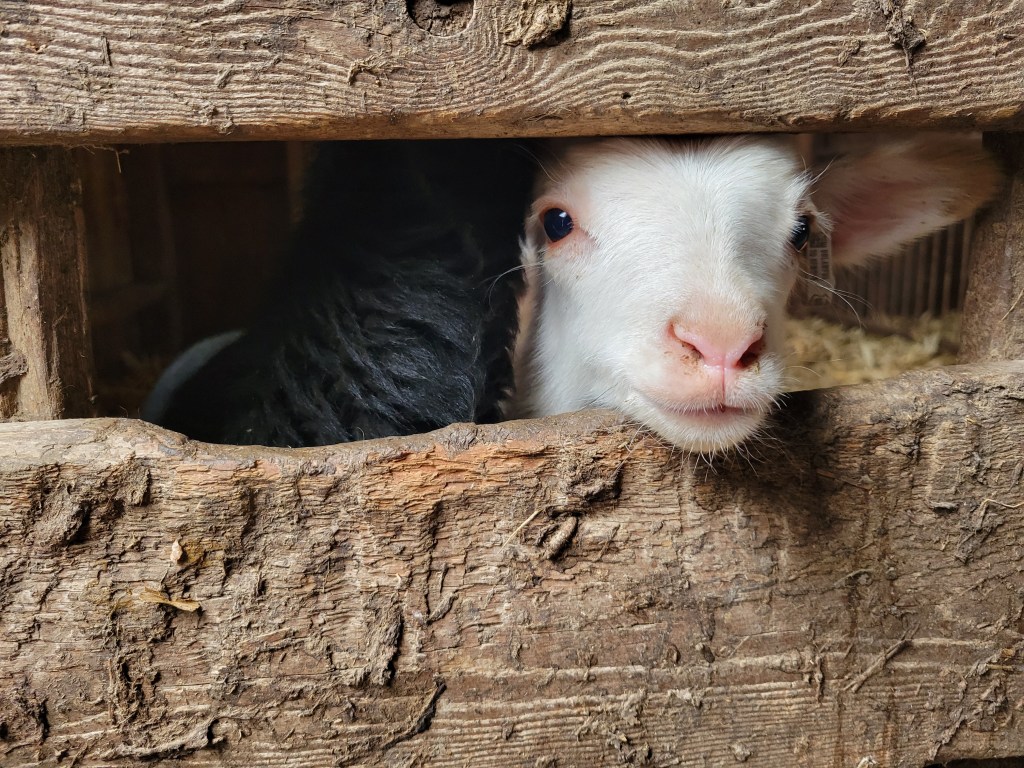
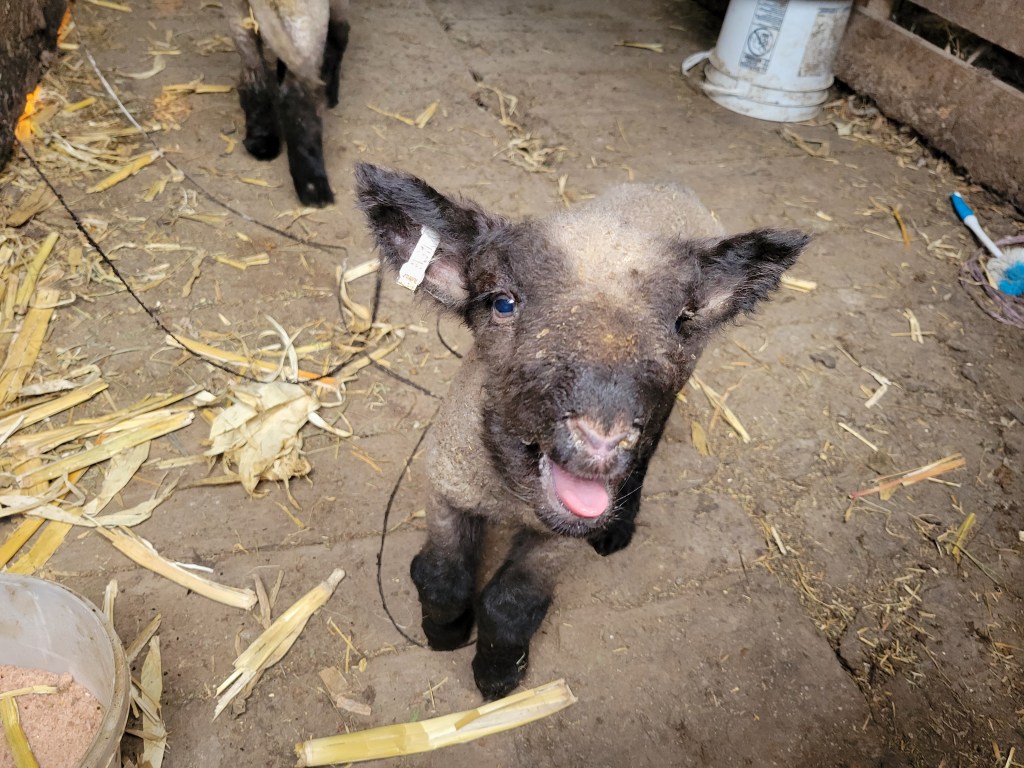
During our visit, I got to help bottle-feed their six lambs—some hair sheep like our own, others wool sheep.
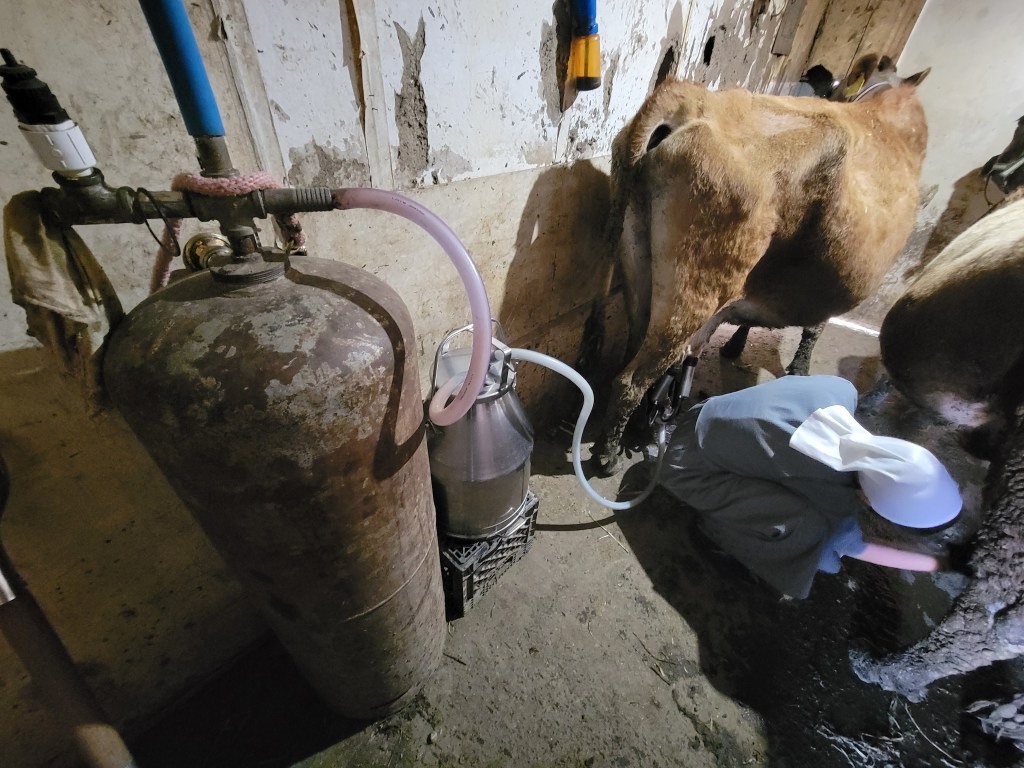
I also tried my hand at milking a cow again. The last time I attempted it, I was woefully unsuccessful, but this time I finally got the hang of it.
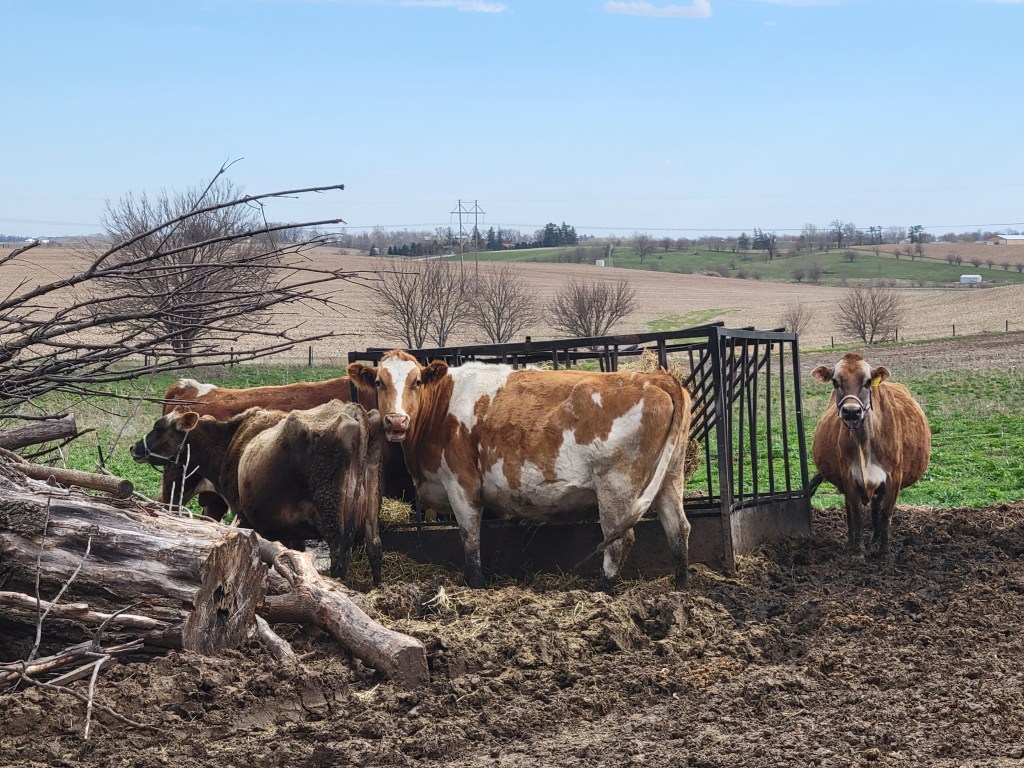
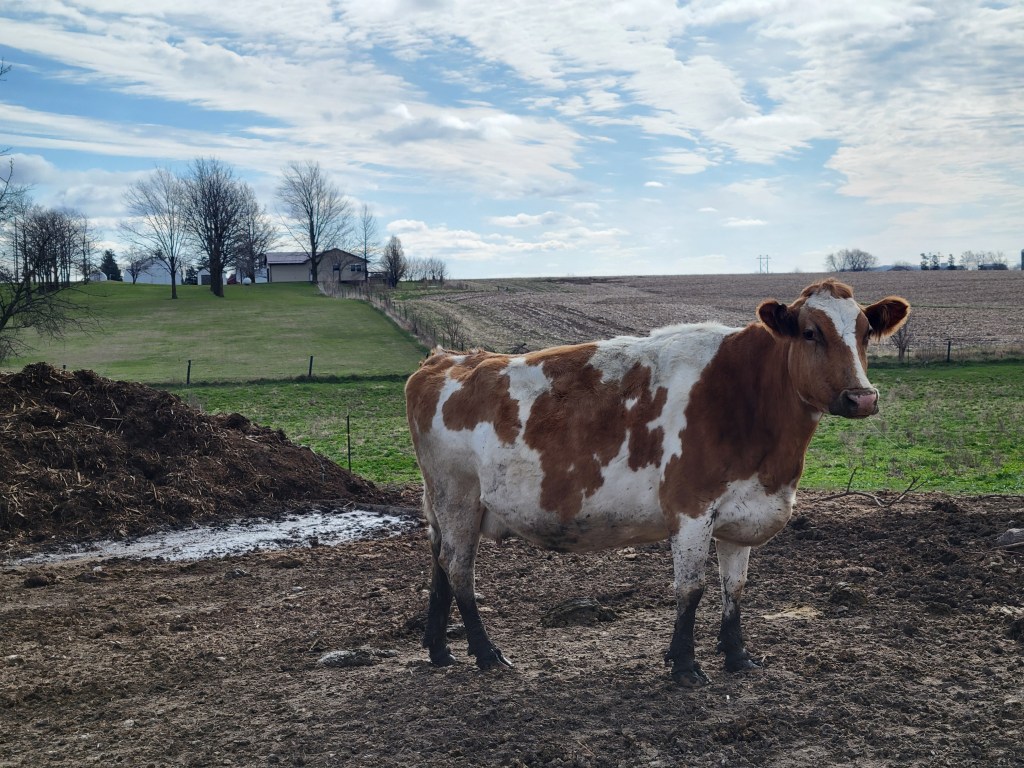
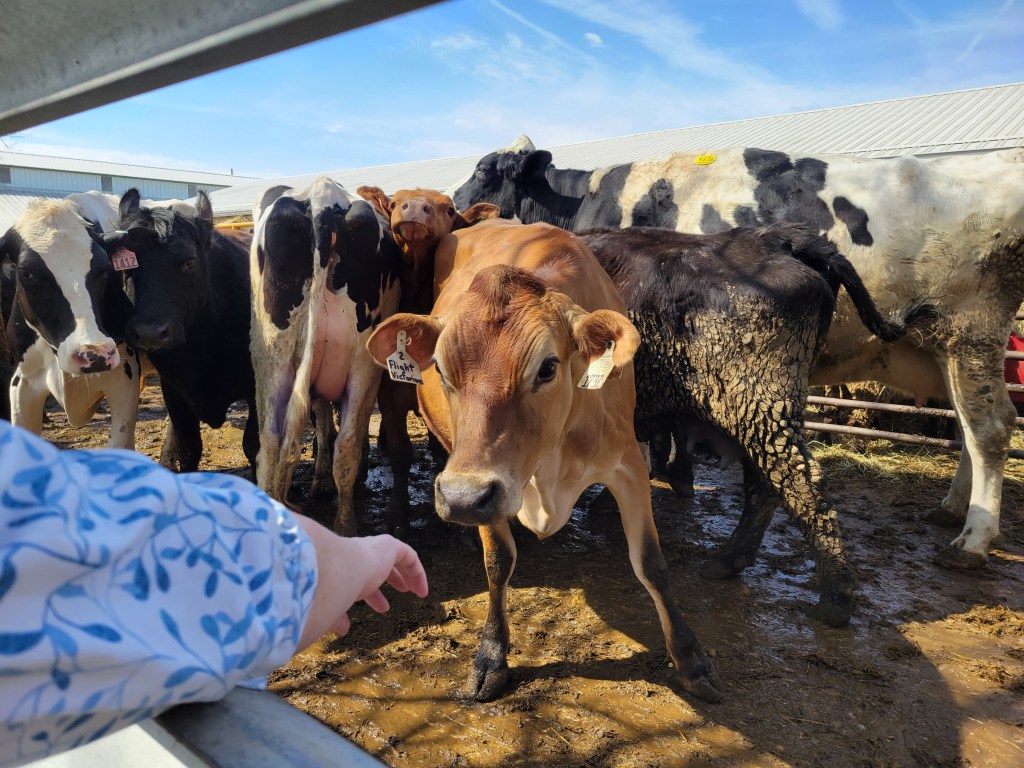
My niece, who handles the most of the milking, graciously walked me through the process—bringing the cows into the milking parlor, washing them, and attaching the milking machine. Once finished, she turned them back out to pasture, where they headed off to eat their fill of hay.
Having considered getting a cow for our own little homestead, this was a valuable learning experience. It taught me that while I may continue dreaming of a miniature—or perhaps micro—cow someday, I do not ever wish to own an animal larger than I am.
I was in awe of my niece’s confidence and the way she handled such large animals with both firmness and kindness. I, on the other hand, found them rather intimidating.
They had four cows and one bull, and we were especially excited because one cow was expected to calve during our visit.
Spoiler alert: she waited until the following week, when she gave birth to a big, beautiful bull calf.
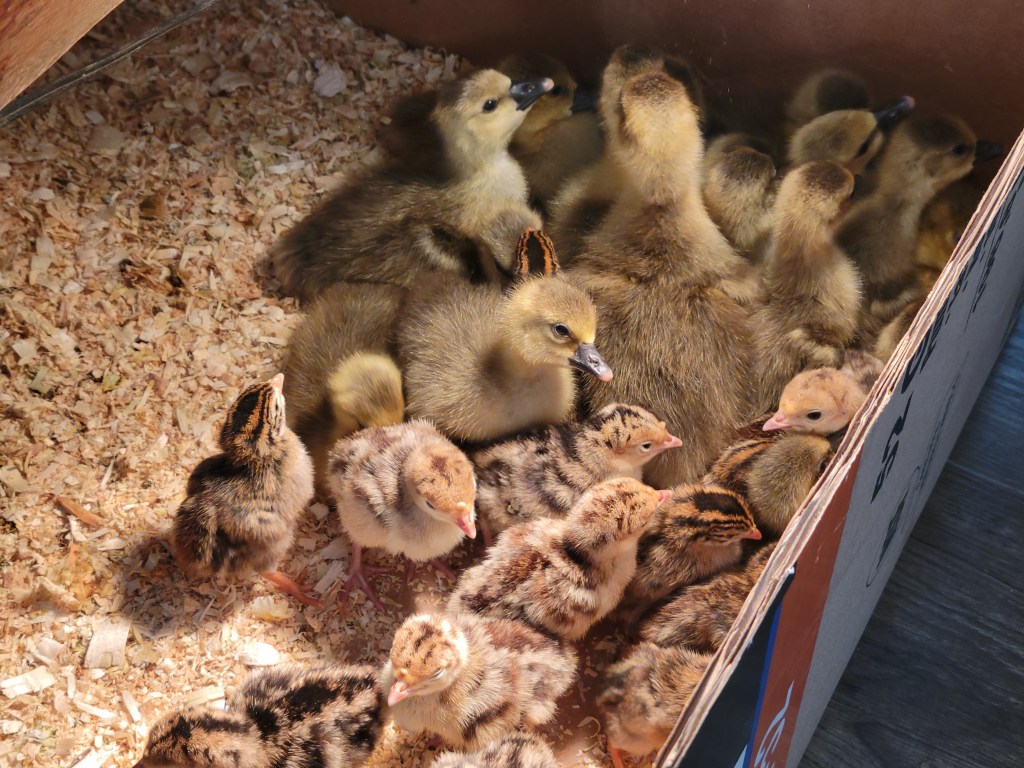
My sister-in-law had also ordered boxes of baby birds, so we got to see goslings, turkey chicks, and guinea chicks.
Honestly, the turkey and guinea chicks look nearly identical to chicken chicks, and the goslings mostly just look like oversized ducklings. But baby animals are always a delight, and everyone enjoyed getting to hold them.
At one point, one even escaped its brooder and landed on my foot during dinner—quite unexpected.
My husband later recounted a story to me about our younger son and a boy cousin who once raced into the shop, grabbed a 5-gallon bucket and a drill, and were immediately stopped by the dads asking what they were doing.
My son simply said, “Making a waterer,” as if that were explanation enough.
My husband laughed—already realizing what they were planning—and asked our son to explain how it worked to his uncle.
Once he did, he agreed that their idea of turning a 5-gallon bucket into a gravity waterer was actually a good one, and the boys were allowed to continue, proudly showing how it all worked.
The Auctions
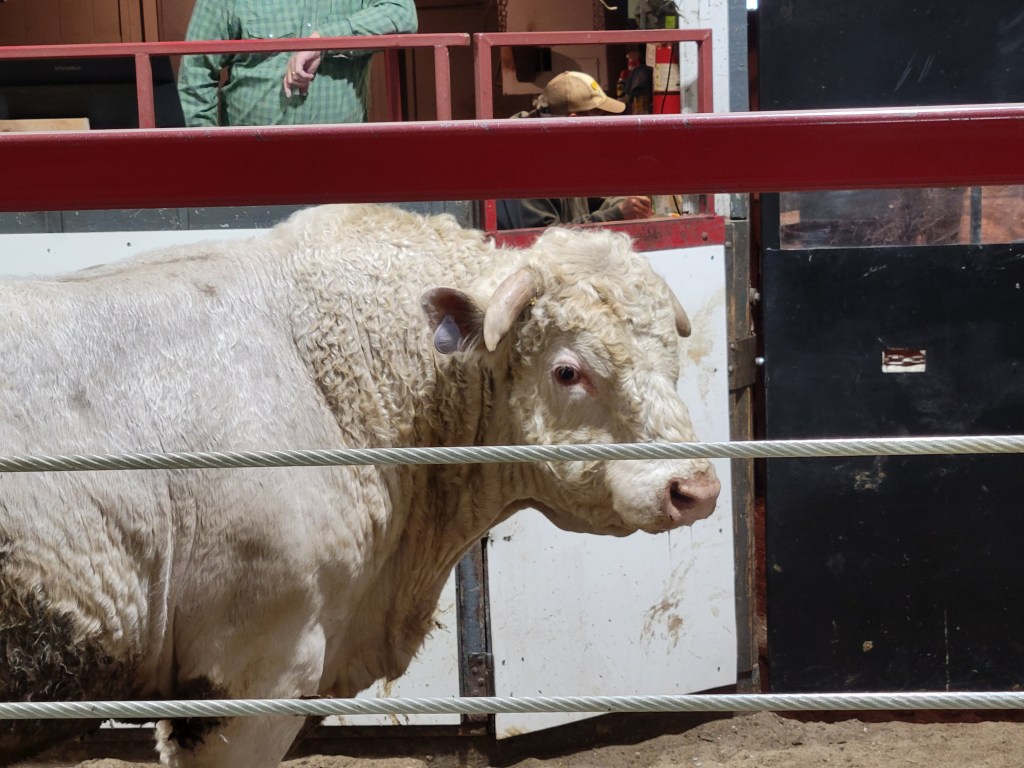
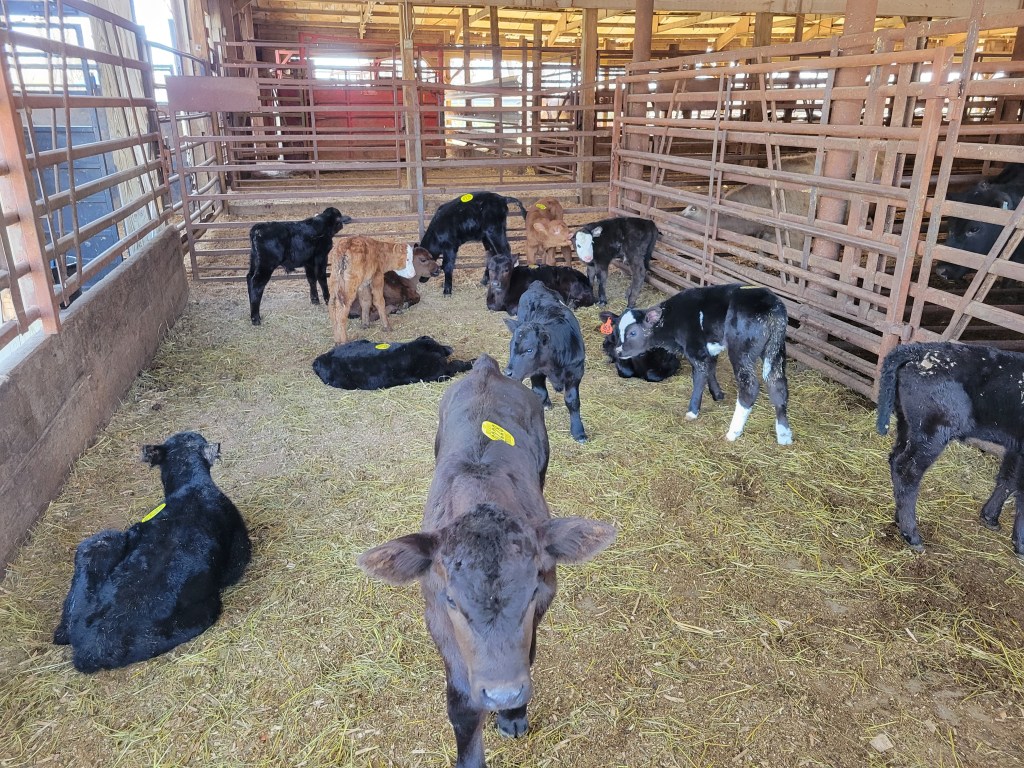
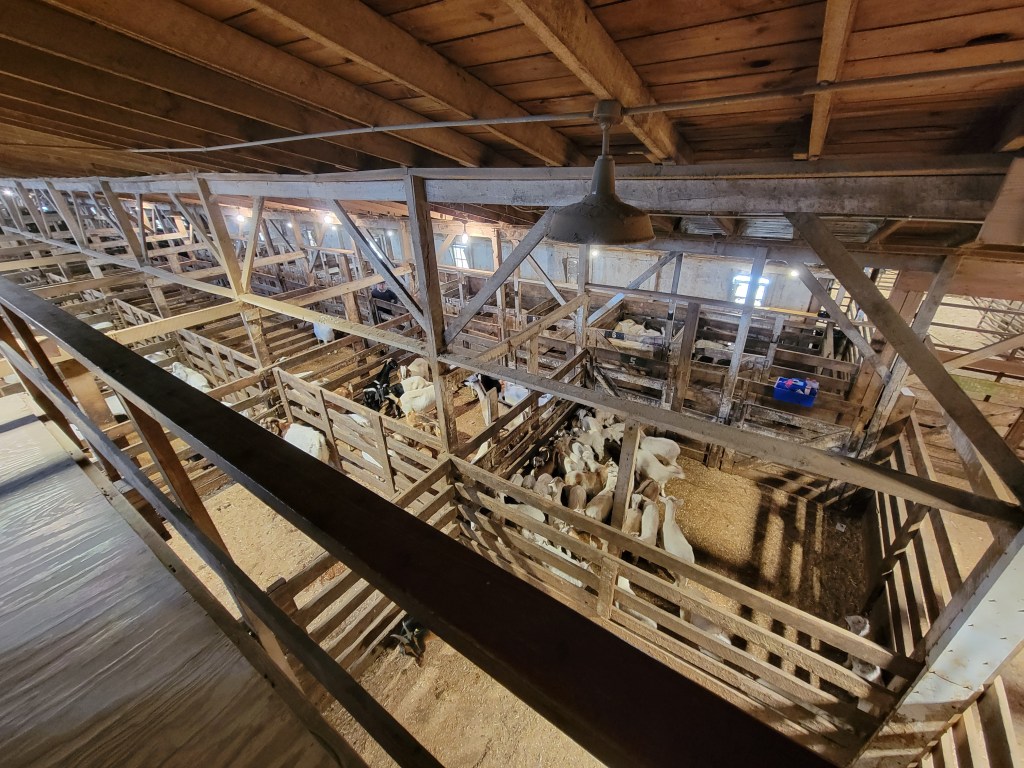
While we were there, we attended four different auctions: small animals, cattle and hay, produce, and farm machinery.
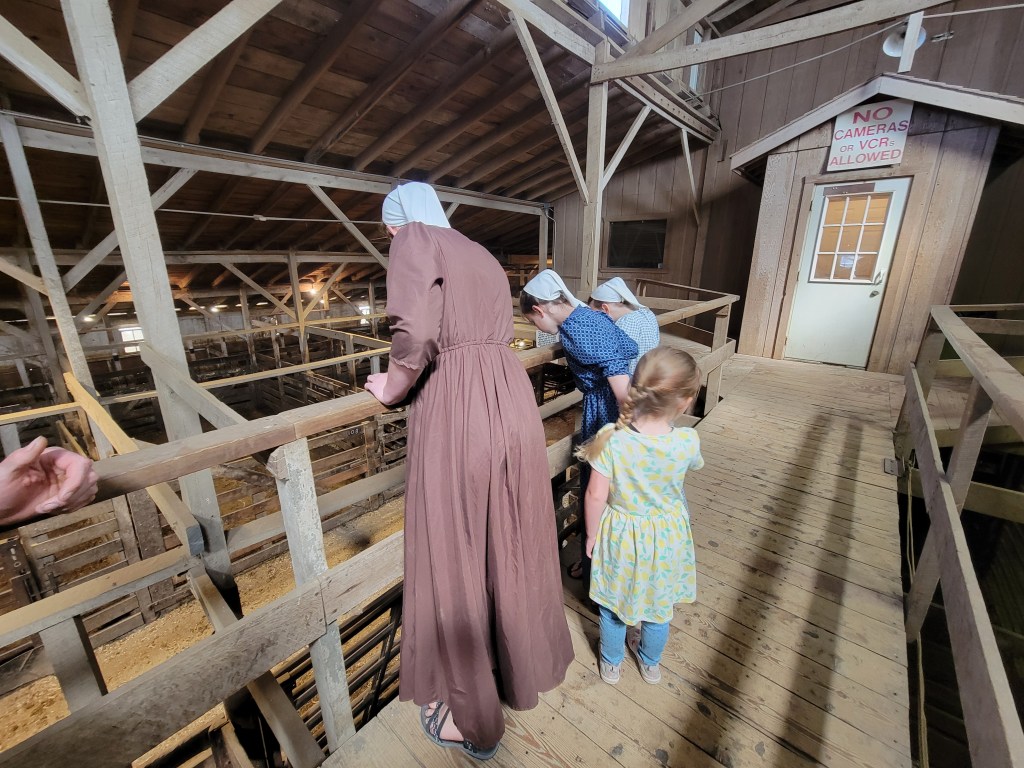
It was fascinating. I’d never been to an auction before, and I loved getting to walk the catwalks above the animal pens and take it all in—except for the smells, that is.
Thankfully, there no irresistible deals on a miniature cow that day, or I would have been scheming as to how to get one back home in our minivan.
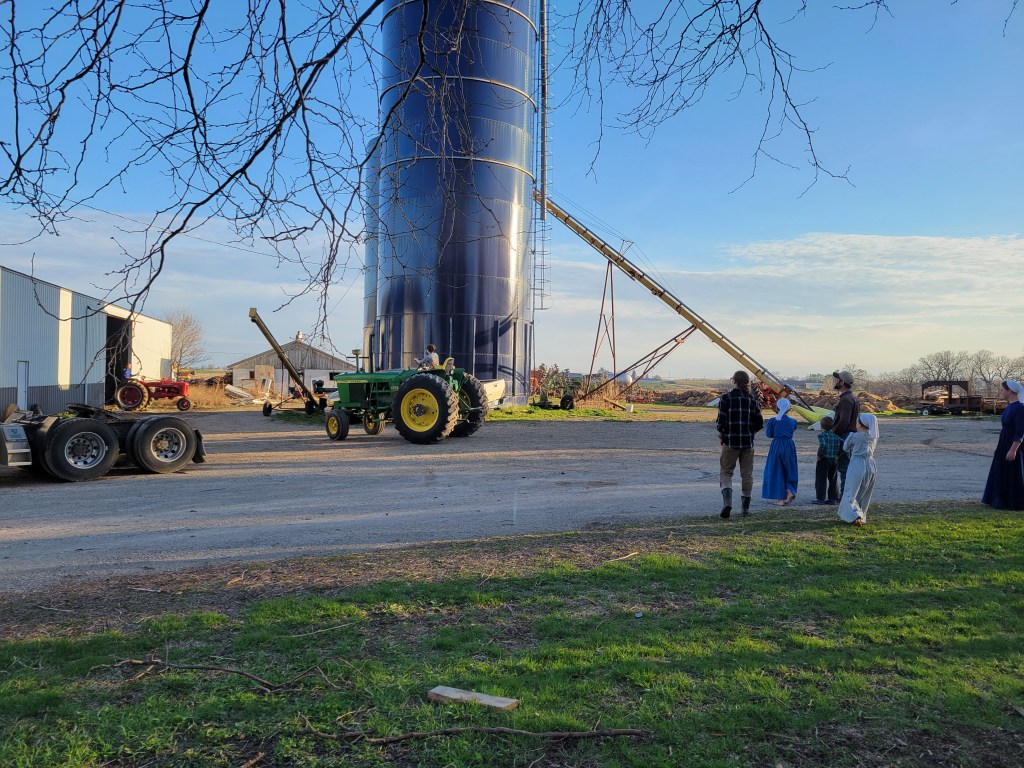
The Amish
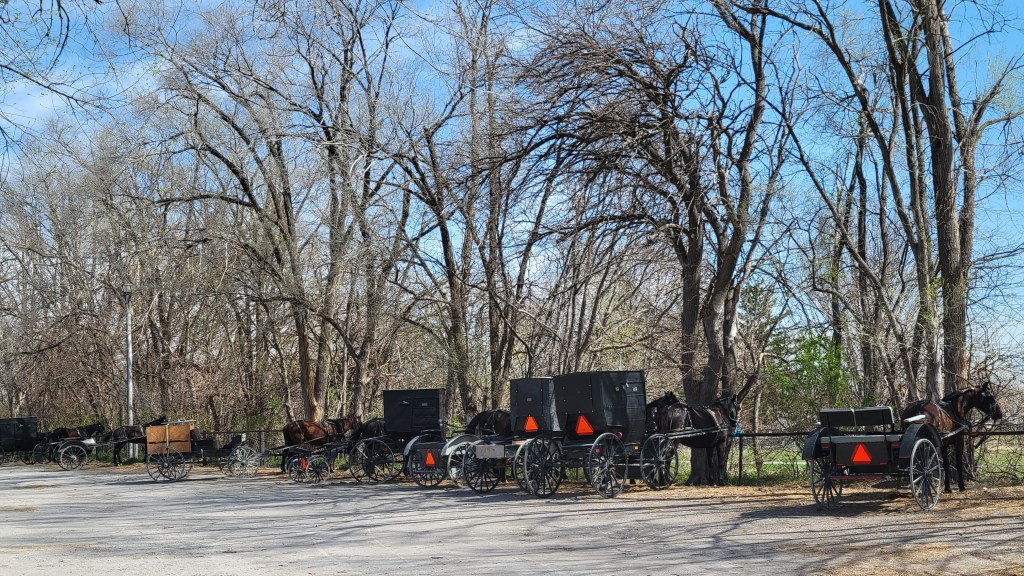
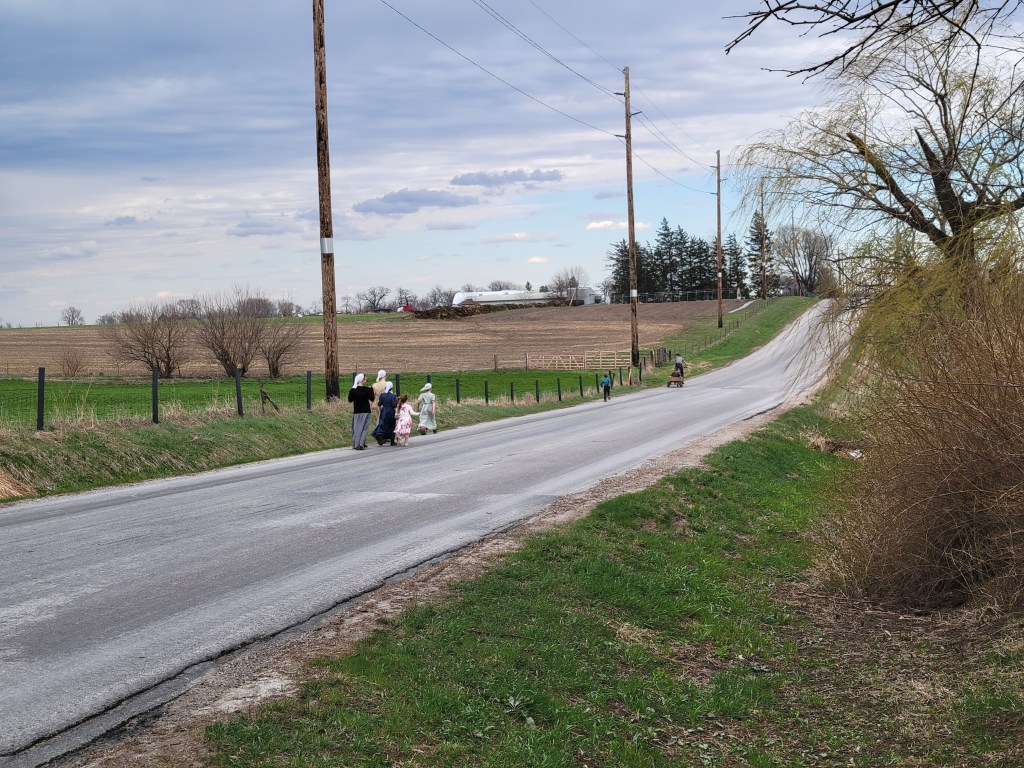
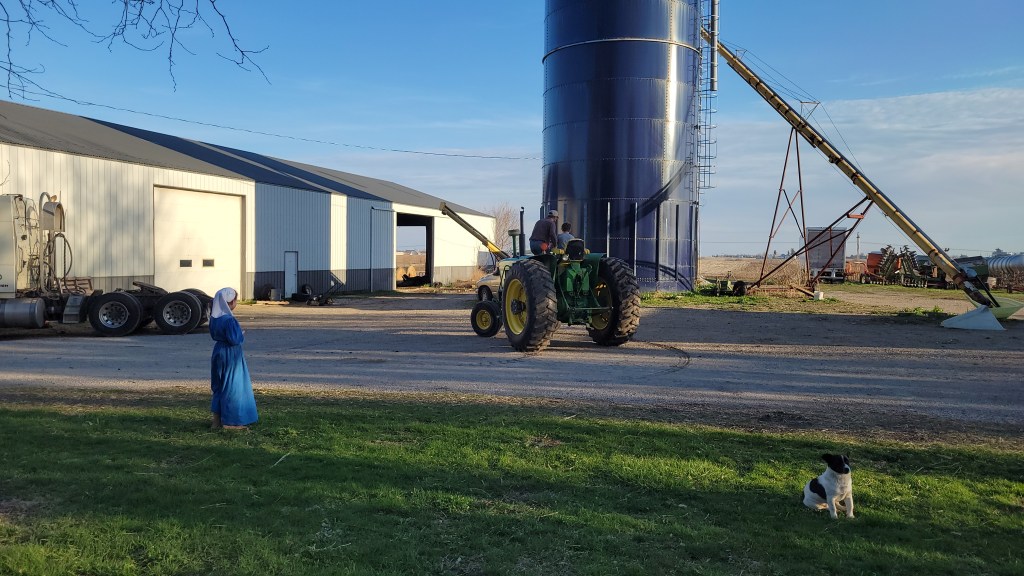
We were in the midst of the oldest Amish community west of the Mississippi, founded in 1846.
I’ve always found it fascinating to learn about other cultures, so I looked forward to observing daily life there.
We especially enjoyed the steady clip-clop of horses’ hooves and watching buggies pass by the windows.
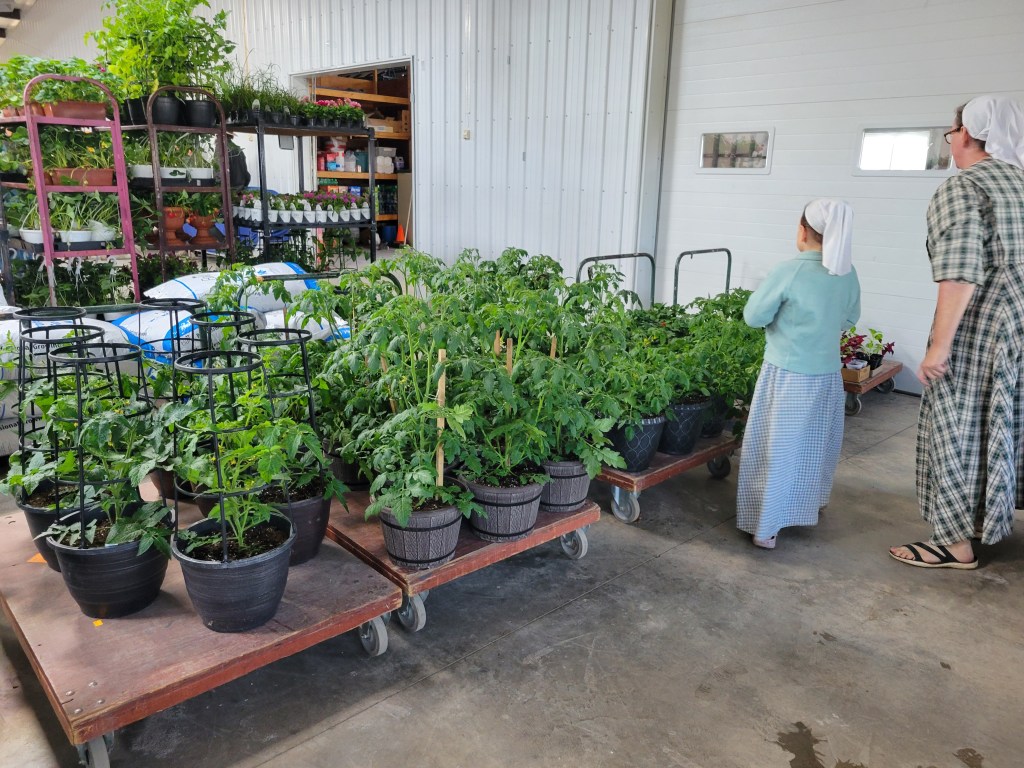
One family in particular extended such warm hospitality, inviting all the cousins to visit. The children got to see a newborn foal, dozens of horses and dairy goats, hundreds of Isa Brown chickens, and even ride in a pony cart.
The Treehouse
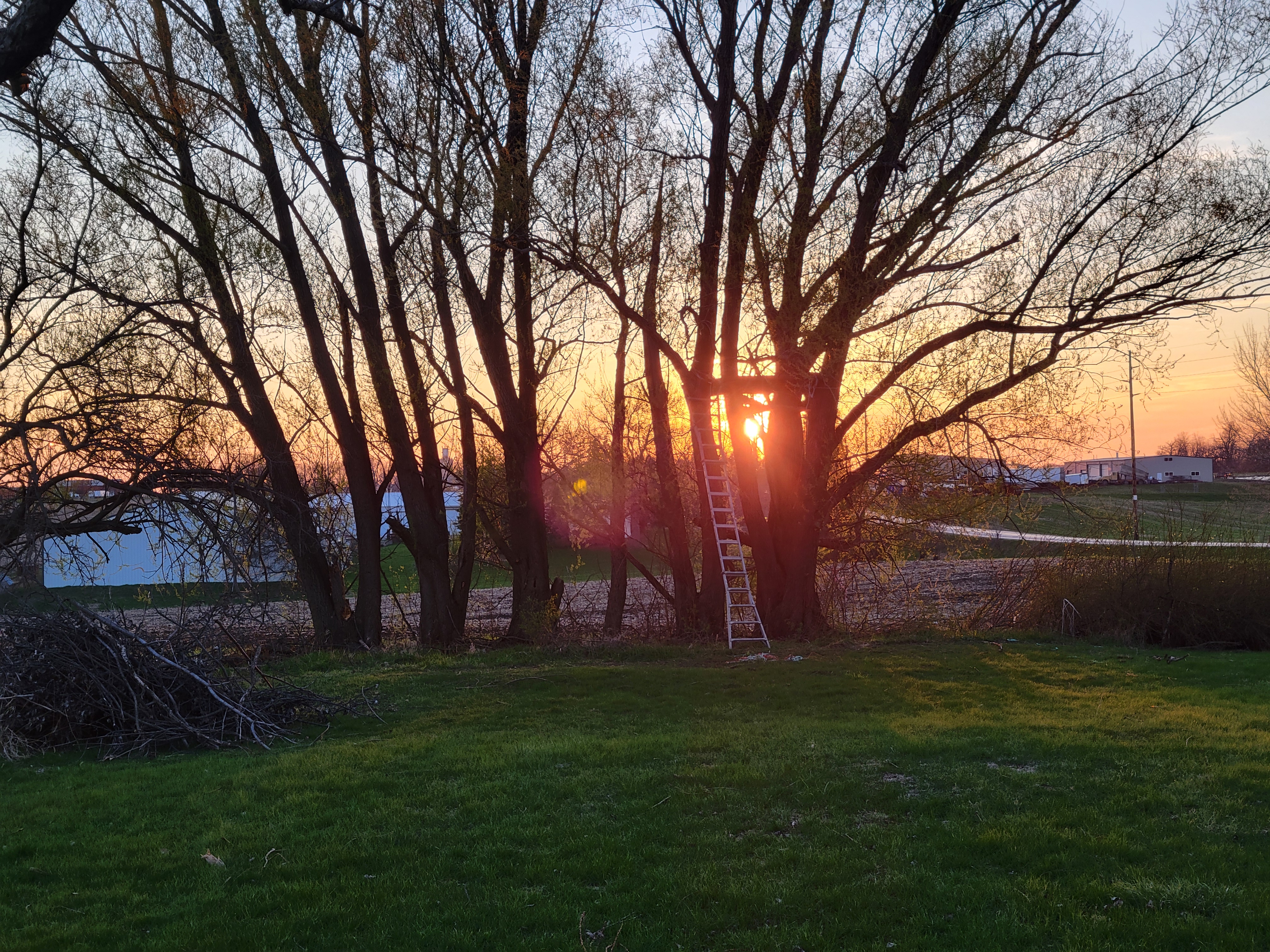
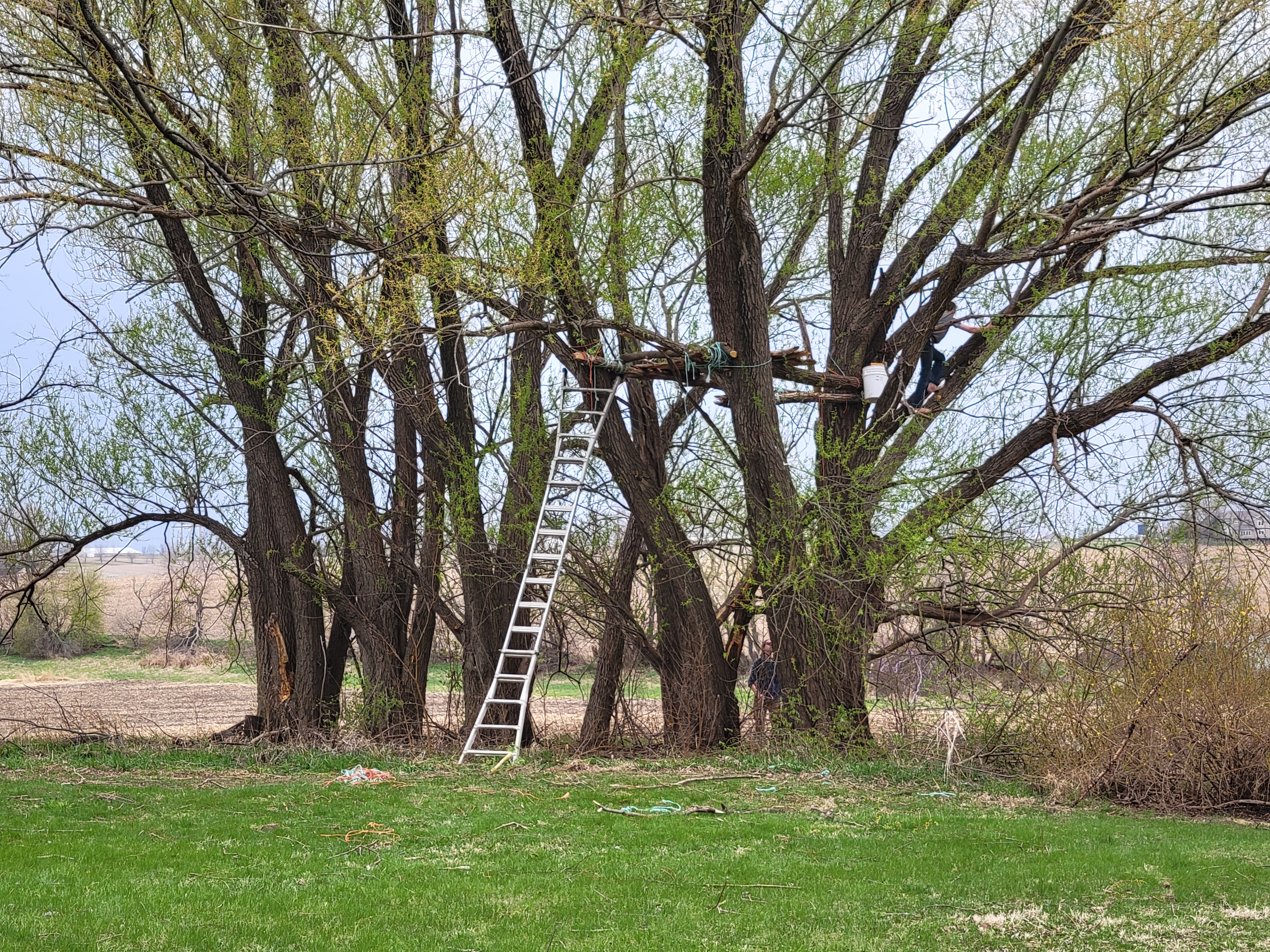
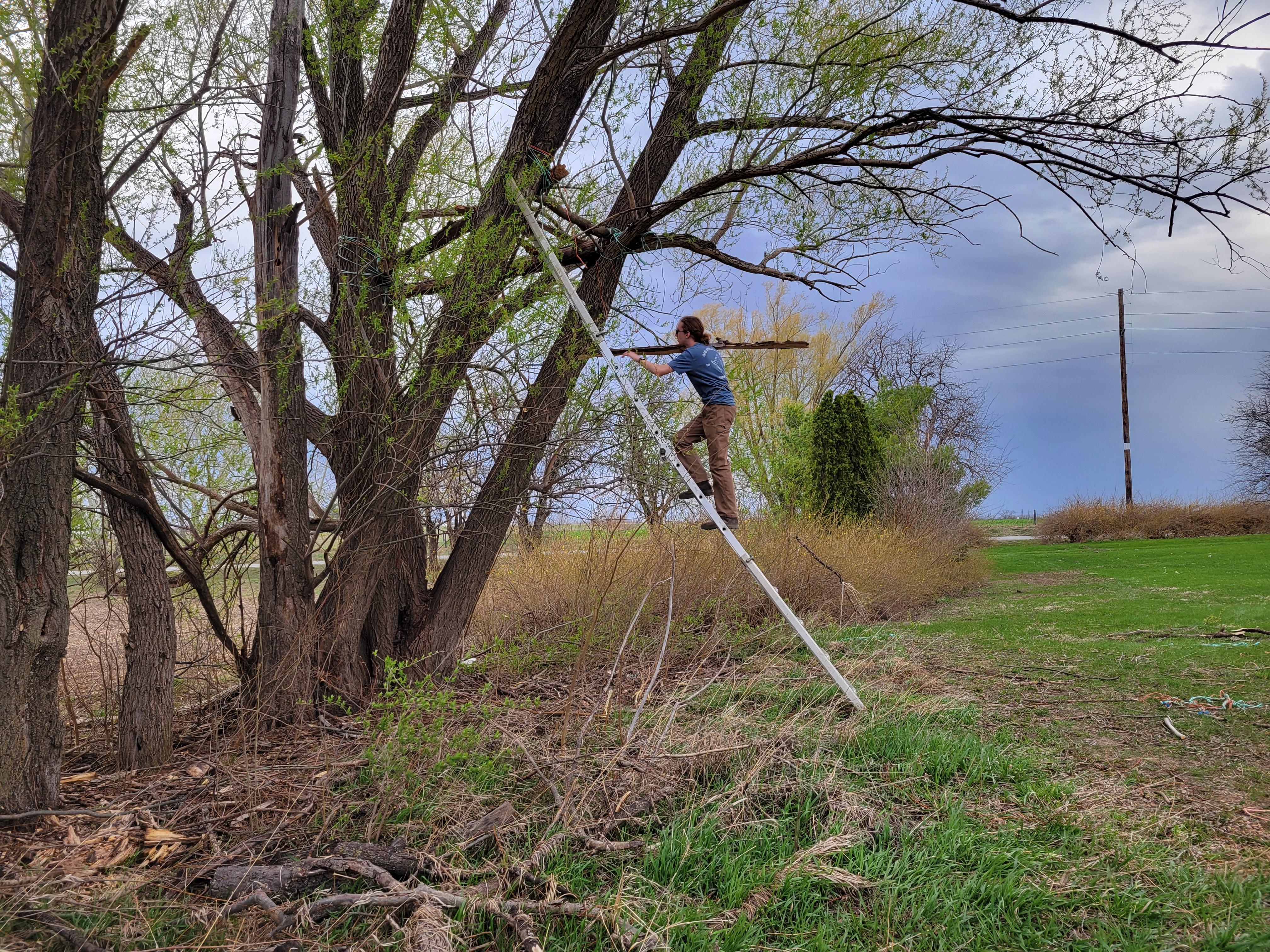
All the boy cousins spent much of the week building a treehouse.
It was genuinely inspiring to watch them work—carrying ladders and tools back and forth, climbing up and down, sawing logs, and figuring things out as they went.
They even built a whole pulley system to be able to lift the logs up into the tree.
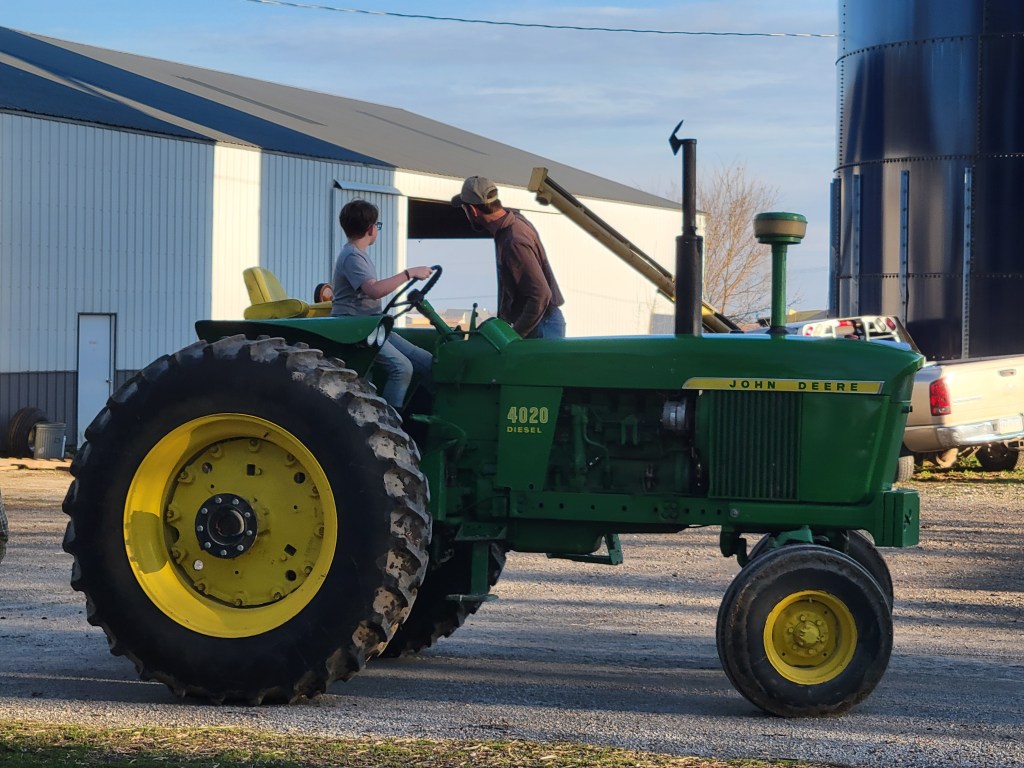
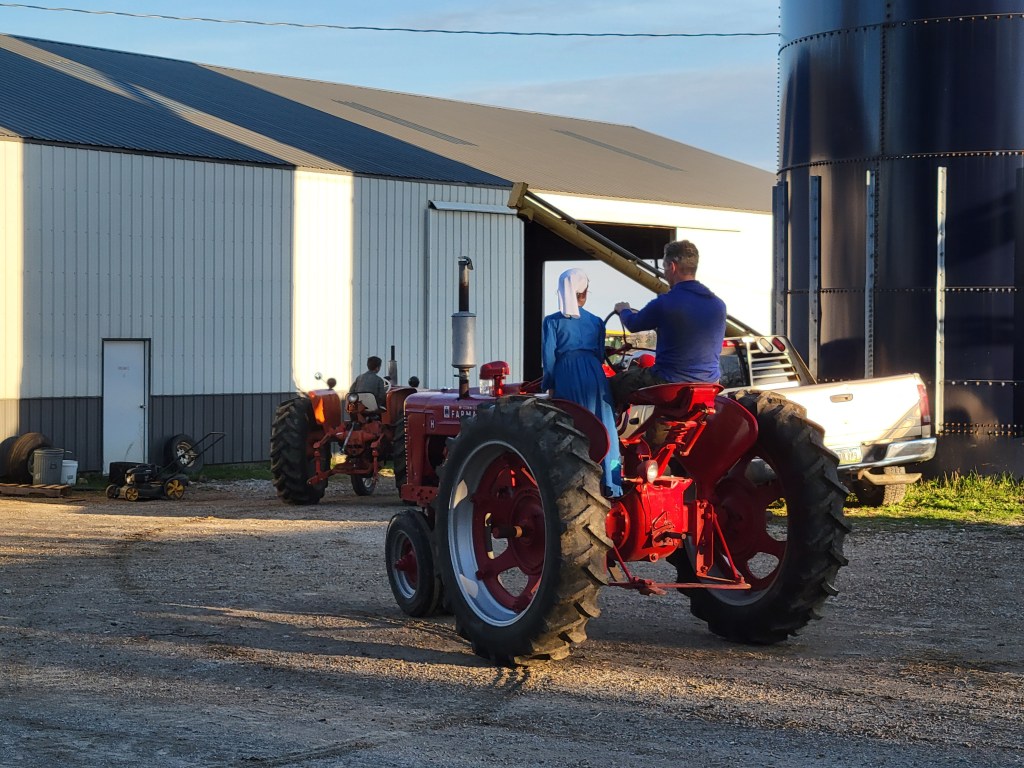
The Tractors
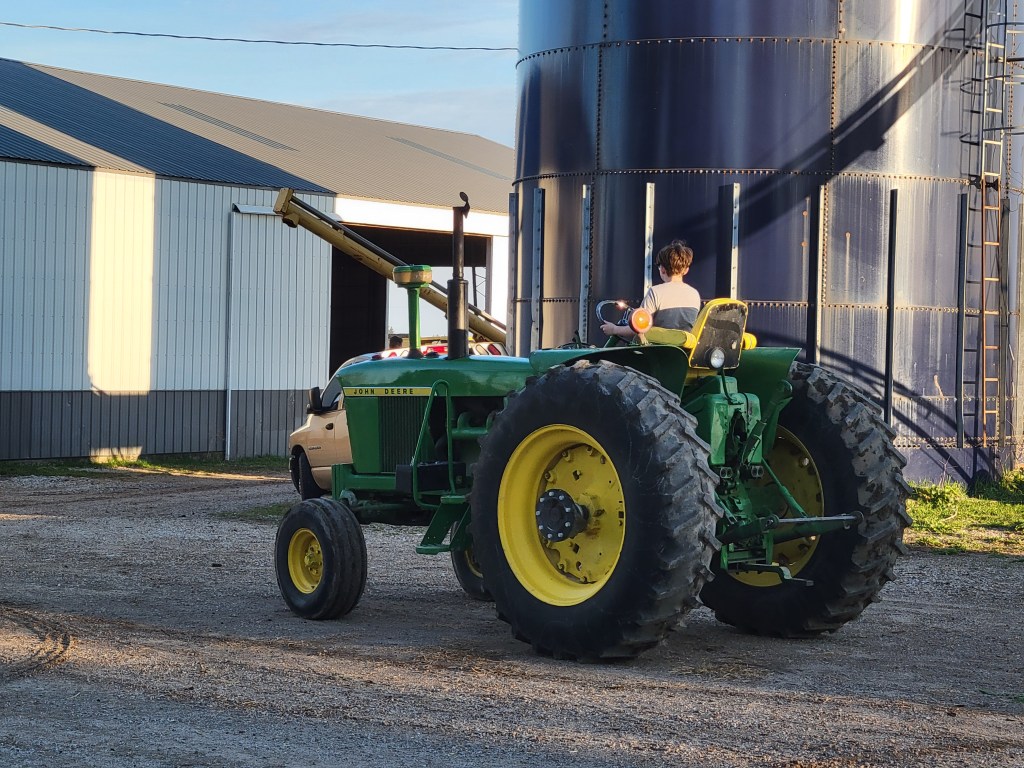
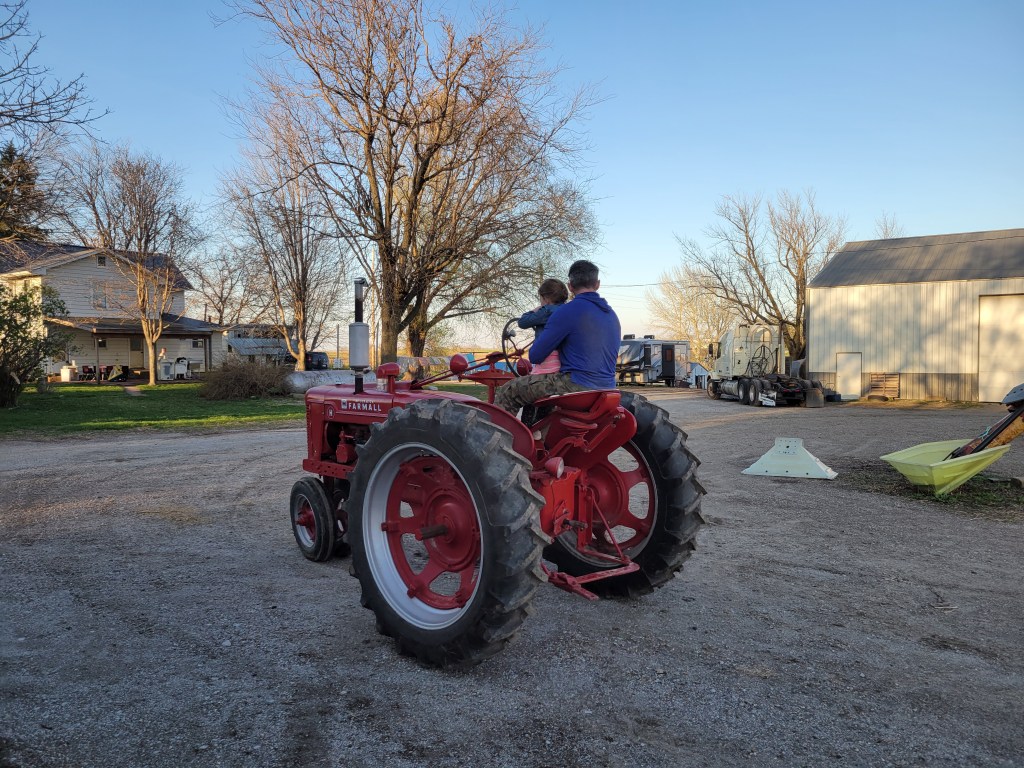
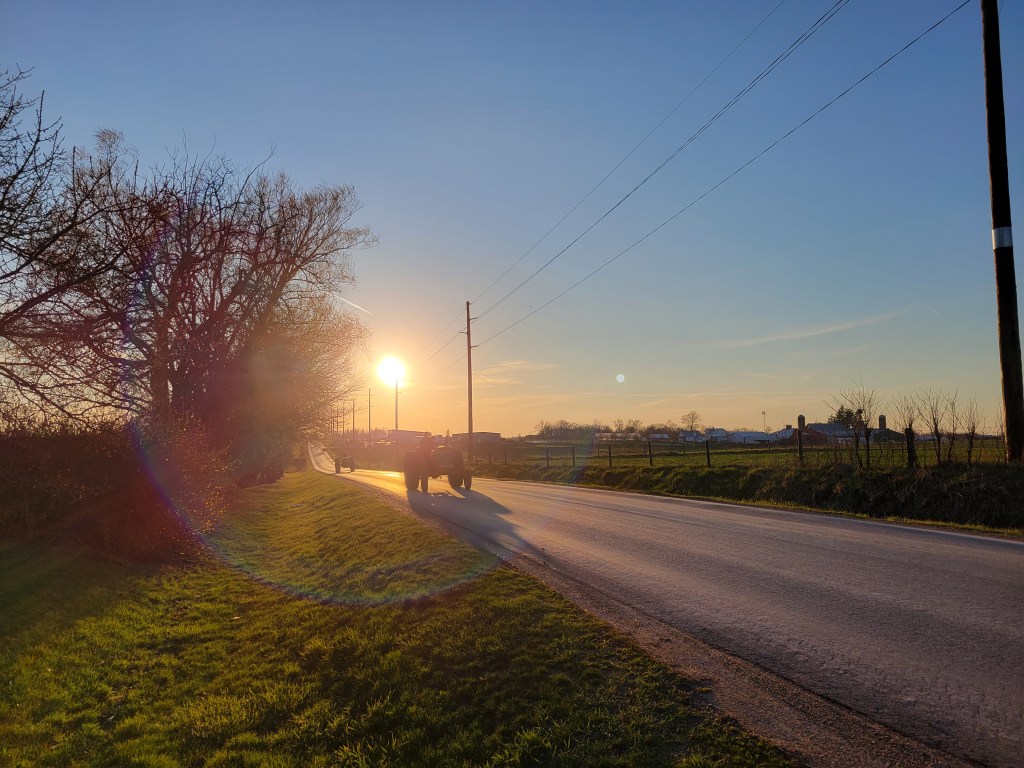
On our last night, my husband and brother-in-law taught our two sons how to drive tractors and all the cousins enjoyed putting on a full tractor parade.
It’s impossible to fully capture—or even articulate—the magic of that week.
The steadiness. The quiet wandering. The camaraderie of the cousins. The learning woven into everyday life.
But more than anything, it was a week built on authentic relationships, a shared faith in Christ, and a shared understanding of the joy and trials of raising children and caring for farm animals.
It’s a week we won’t soon forget.
Before we even left, I found myself wondering: What do I want to take home from this?
I’ve asked that question after meaningful trips before, recognizing that while there is a unique magic inherent to vacation, there are also ways to carry pieces of that magic back into daily life. A visit to San Diego nearly ten years ago inspired me to begin walking—and biking—through my own city whenever I had the chance.
This trip was inviting me toward a different rhythm.
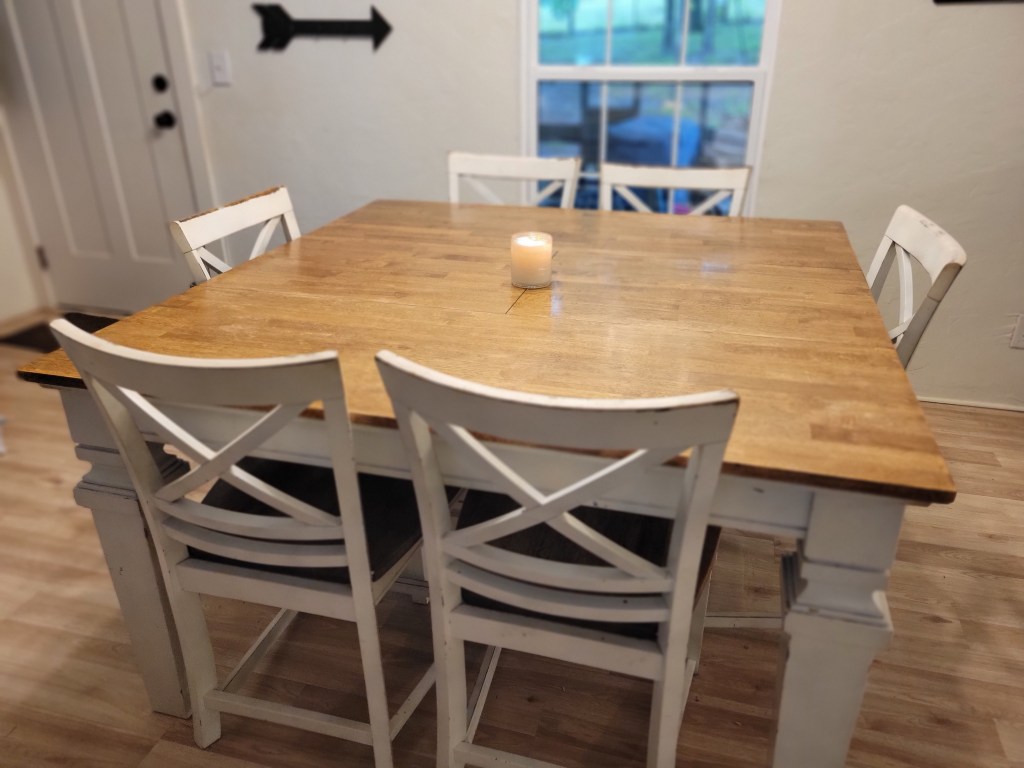
The family table.
We already eat many meals together, but I longed to linger longer—to listen more carefully, to engage more deeply, to quiet the noise of this crazy world, and to soak up these final, fleeting years when all three of our children are still under one roof.
It may not be easy to swim upstream of the mainstream culture, but it has always been worth it.
So, we came home and I fought for that moment where everyone gathered around the table.
Except I found I wasn’t the only one longing for it.
My husband led the way in calling everyone to the table.
One child starting lighting a candle to add a touch of ambiance—and requested a different candle for each meal, so I bought them.
Just a small shift in trajectory. But small shifts, compounded over time, can change everything.
We may have left Iowa behind—but we brought a piece of it home with us.